

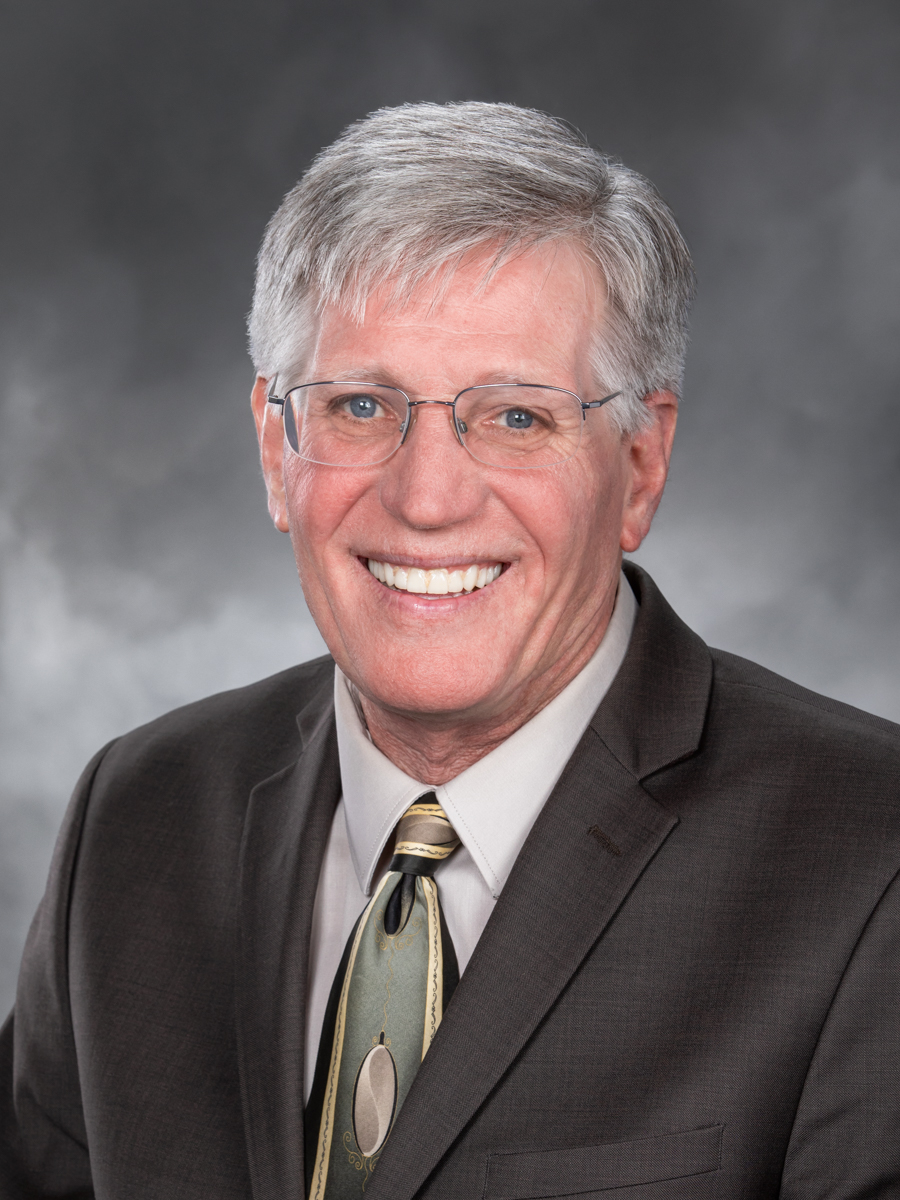
Photo of Timm Ormsby
D Washington House · District 3

Rep. Timm Ormsby

Compare
Total votes
6,316
all sessions
Attendance
99%
41 missed
Near the chamber average
With party
99%
of cast votes
Near the chamber average
Bipartisan score
0%
crosses aisle rarely
Near the chamber average
Sponsored
1,706
bills & resolutions
Higher than 94% of chamber peers
Committees
4
assignments
1,706 bills and resolutions

Sponsored bills

Total
1,706
Primary
84
Co-sponsor
1,622
This page
1,706
matching current filters
Co-sponsor HB 1232
Signed into law · Washington House · Co-sponsor
Concerning private detention facilities.

Maddy summarySubstitute House Bill 1232 amends existing Washington state laws concerning private detention facilities. The bill modifies the definition of a "private detention facility" to include any private, nongovernmental entity, removing the previous restriction to only for-profit entities. It revises the specific operational standards that these facilities must meet for detained persons. The new provisions require a safe and clean environment, accessibility for individuals with disabilities, adequate utilities like heating and hot water, and established maintenance and housekeeping policies.

Signed into law May 12, 2025 1 co-sponsor
Co-sponsor HB 1271
Signed into law · Washington House · Co-sponsor
Permitting early deployment of state fire service resources.

Maddy summaryHouse Bill 1271 amends the criteria for deploying state fire service resources during emergencies in Washington. It expands the definition of "mobilization" to allow for the early deployment of resources when an emergency is *predicted* to exceed local capabilities, rather than only after local resources have already been overwhelmed. This change enables a more proactive response from fire departments, fire districts, and regional fire protection service authorities to potential large-scale incidents. The bill also clarifies that these mobilized resources cannot be used to assist law enforcement during civil protests or demonstrations, but can still provide medical aid and firefighting services.

Signed into law May 12, 2025 1 co-sponsor
Co-sponsor HB 1149
Signed into law · Washington House · Co-sponsor
Preventing cruelty to animals.

Maddy summaryHB 1149 updates and clarifies Washington State's animal cruelty laws, specifically within RCW 16.52, to enhance the prevention of cruelty to animals. The bill redefines key terms such as "abandons," "necessary food," "necessary medical attention," "necessary sanitation," "necessary shelter," "necessary space," and "necessary water." These changes establish more explicit standards for the adequate care of nonhuman mammals, birds, reptiles, and amphibians. It also introduces a comprehensive definition of "minimum care," providing clearer guidelines for animal owners, animal care and control agencies, and law enforcement.

Signed into law May 12, 2025 1 co-sponsor
Co-sponsor HB 1130
Signed into law · Washington House · Co-sponsor
Concerning utilization of developmental disabilities waivers.

Maddy summaryHB 1130 establishes a prioritization system for individuals with developmental disabilities seeking home and community-based services waivers in Washington State. It directs the Developmental Disabilities Administration to prioritize specific populations, such as those over age 45, individuals discharging from institutional settings, or those without a safe hospital discharge plan. The bill also mandates the administration to align its rules with this prioritization and to routinely collect and publicly report data on waiver enrollment, waitlists, and unfulfilled service requests. This aims to ensure that individuals identified as most in need receive timely access to critical support services.

Signed into law May 12, 2025 1 co-sponsor
Co-sponsor HB 1813
Signed into law · Washington House · Co-sponsor
Concerning the reprocurement of medical assistance services, including the realignment of behavioral health crisis services for medicaid enrollees.

Maddy summaryHB 1813 realigns the administration of behavioral health crisis services for Medicaid enrollees in Washington state. Beginning January 1, 2027, behavioral health administrative services organizations (BHASOs) will contract to administer these crisis services, taking over from managed care organizations. The bill requires a comprehensive funding analysis by January 1, 2026, to ensure BHASOs can adequately support all individuals needing behavioral health services, regardless of insurance status. It also mandates a transition plan for this shift and directs the development of a strategic plan for the future reprocurement of all medical assistance services, including stakeholder input.

Signed into law May 12, 2025 1 co-sponsor
Co-sponsor HB 1395
Signed into law · Washington House · Co-sponsor
Streamlining the home care worker background check process.

Maddy summaryHB 1395 streamlines the background check process for home care workers, long-term care providers, and others working with vulnerable adults and children in Washington state. It prevents the Department of Social and Health Services (DSHS) from automatically disqualifying individuals for certain past criminal convictions, such as specific theft or assault charges, once a specified number of years have passed. However, DSHS or authorized entities can still consider these convictions during a "character, competence, and suitability review," and clients must be informed of an approved provider's background check results before services begin. The bill also allows some providers to work for up to 30 days while their review is pending, with client notification, and limits when new suitability reviews are required for previously cleared non-disqualifying issues.

Signed into law May 12, 2025 1 co-sponsor
Co-sponsor HB 1329
Signed into law · Washington House · Co-sponsor
Concerning wholesale power purchases by electric utilities under the Washington clean energy transformation act.

Maddy summaryHB 1329 amends the Washington Clean Energy Transformation Act (CETA) concerning how certain wholesale power purchases are classified. The bill modifies the definition of a "coal-fired resource" by expanding the duration for specific limited-term wholesale electricity purchases that are exempt from this classification. Under the new provisions, electric utilities can make wholesale power purchases for up to three months, or up to six months for system sales used for seasonal resource adequacy, without these being counted as coal-fired resources under CETA. This aims to provide utilities with more flexibility in acquiring short-term power, provided these exemptions are not used to avoid CETA's overall restrictions on coal-fired energy.

Signed into law May 12, 2025 1 co-sponsor
Co-sponsor HB 1422
Signed into law · Washington House · Co-sponsor
Modifying the drug take-back program.

Maddy summaryHB 1422 modifies Washington State's drug take-back program, affecting drug manufacturers, wholesalers, retail pharmacies, and program operators. The bill expands reporting requirements for program operators, mandating detailed annual reports including expenditures, budgets, and explanations if collection goals are not met. It strengthens the Department of Health's enforcement capabilities by detailing penalties for non-participating manufacturers and non-compliant program operators, including civil fines up to $2,000 per day. Additionally, the bill revises how the Department of Health sets fees, allowing them to fully cover administrative, oversight, and enforcement costs for the program.

Signed into law May 12, 2025 1 co-sponsor
Co-sponsor HB 1186
Signed into law · Washington House · Co-sponsor
Expanding the situations in which medications can be dispensed or delivered from hospitals and health care entities.

Maddy summaryHouse Bill 1186 expands the situations in which hospitals and health care entities can dispense medications directly to patients. It allows practitioners in hospital emergency departments to prescribe and distribute limited amounts of prepackaged emergency medications to patients being discharged. This is permitted when community or outpatient pharmacy services are unavailable or inaccessible, or for specific treatments like human immunodeficiency virus postexposure prophylaxis. Hospitals must establish clear policies, including a list of approved medications, staff training, patient counseling, and generally limit supplies to a 48-hour maximum, with some exceptions. The bill also adjusts similar medication dispensing limits for other health care entities.

Signed into law May 12, 2025 1 co-sponsor
Co-sponsor HB 1173
Signed into law · Washington House · Co-sponsor
Concerning wages for journeypersons in high-hazard facilities.

Maddy summaryHB 1173 clarifies the wage payment requirements for "skilled journeypersons" working in facilities subject to specific workforce regulations. The bill mandates that these journeypersons must be paid at a rate at least commensurate with typical wages for their occupation in the local geographic area. This includes a minimum hourly rate set at the seventy-fifth percentile of occupational employment statistics for the relevant occupation and area. Additionally, workers in apprenticeable occupations who do not meet the definitions of registered apprentice or skilled journeyperson are to be considered skilled journeypersons for the purpose of their wage entitlement. The act will become effective on January 1, 2026.

Signed into law May 9, 2025 1 co-sponsor
Showing 391 to 400 of 1,706 bills
Previous 1 … 39 40 41 … 171 Next