

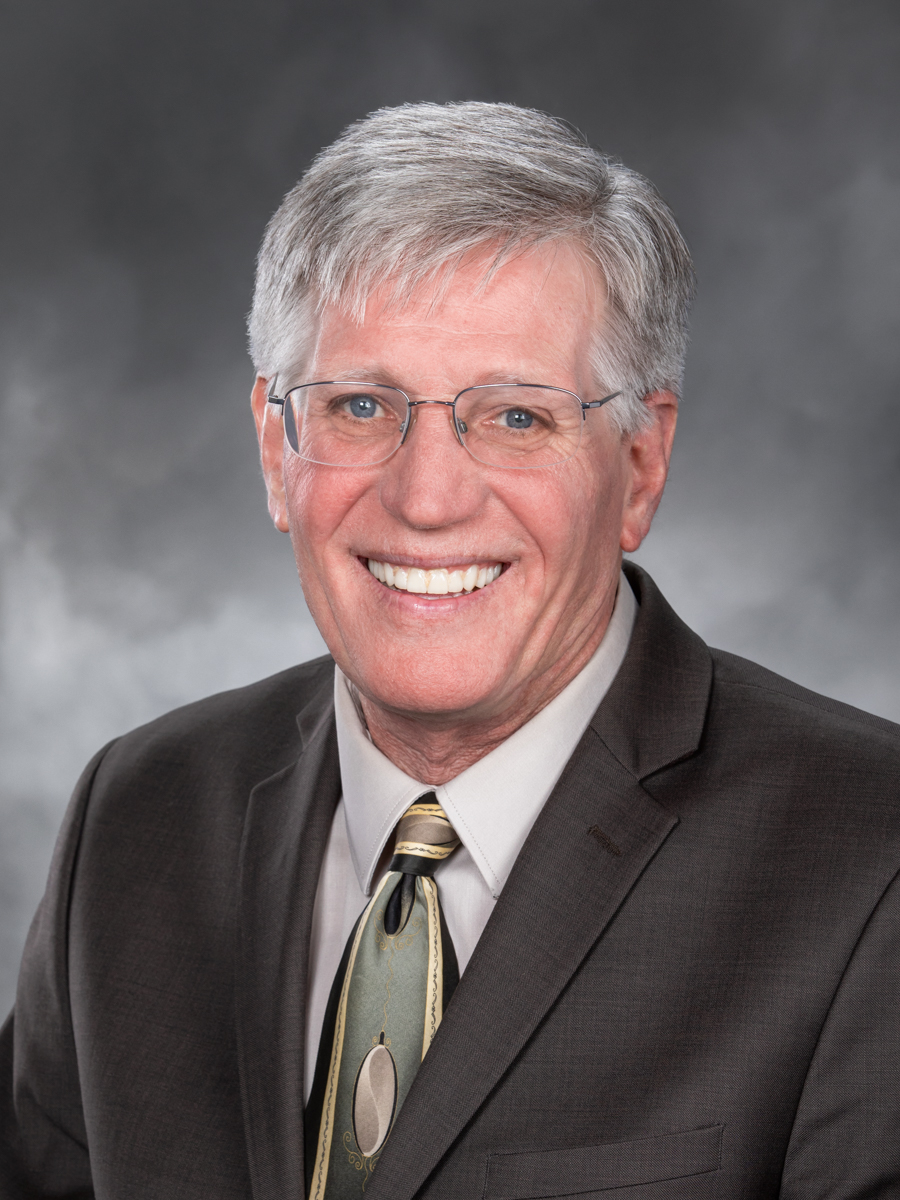
Photo of Timm Ormsby
D Washington House · District 3

Rep. Timm Ormsby

Compare
Total votes
6,316
all sessions
Attendance
99%
41 missed
Near the chamber average
With party
99%
of cast votes
Near the chamber average
Bipartisan score
0%
crosses aisle rarely
Near the chamber average
Sponsored
1,706
bills & resolutions
Higher than 94% of chamber peers
Committees
4
assignments
1,706 bills and resolutions

Sponsored bills

Total
1,706
Primary
84
Co-sponsor
1,622
This page
1,706
matching current filters
Co-sponsor HB 1714
In committee · Washington House · Co-sponsor
Enabling opportunities for risk pooling by small businesses for property and liability risks.

Maddy summaryHB 1714 allows small businesses with 20 or fewer employees to form joint self-insurance programs for property damage and liability claims, pooling resources to cover risks traditionally managed through commercial insurance. It requires state approval for all such programs, mandates reporting to the state risk manager, and designates the state risk manager as the legal representative for all lawsuits against the program. Participants must establish reserve funds and comply with specific operational standards, while excluding businesses already self-insuring or part of other regulated risk pools. This bill creates a new regulatory framework for small business risk pooling under Washington state law.

In committee Jan 12, 2026 1 co-sponsor
Co-sponsor HB 1211
In committee · Washington House · Co-sponsor
Concerning the duty of clergy to report child abuse and neglect.

Maddy summaryHB 1211 would require clergy, including ministers, priests, rabbis, imams, and other religious leaders, to report suspected child abuse and neglect in Washington state. This bill amends the state's child abuse reporting law (RCW 26.44.020 and 26.44.030) to remove a previous exemption for clergy, making them mandated reporters under the same standards as other professionals. The key change broadens the definition of "member of the clergy" to include diverse religious leaders and integrates them into the reporting framework. This directly affects religious leaders who interact with children in Washington, requiring them to report suspicions of abuse or neglect to child protective services.

In committee Jan 12, 2026 1 co-sponsor
Co-sponsor HB 1116
In committee · Washington House · Co-sponsor
Recognizing election day.

Maddy summaryHB 1116 designates the first Tuesday after the first Monday in November as "Election Day" for symbolic recognition in Washington State. The bill adds this date to the list of recognized observances under state law (RCW 1.16.050), alongside days like Juneteenth and Martin Luther King Jr. Day. It does not create a paid holiday or change voting procedures - it is purely a symbolic gesture to honor elections. The recognition applies to state government actions and communications, not to voting rights or election administration. This bill is procedural and non-binding, focusing on awareness rather than policy change.

In committee Jan 12, 2026 1 co-sponsor
Co-sponsor HB 1212
In committee · Washington House · Co-sponsor
Concerning the siting of child care centers.

Maddy summaryThis bill requires all cities and towns in Washington to allow child care centers (including converting existing buildings) as an outright permitted use in every zoning area except industrial zones, without needing special approval. It permits local governments to impose minor restrictions on permits, such as designated pickup/drop-off areas. Cities required to update comprehensive plans in 2027 must incorporate these rules by then, while all other cities must implement them within two years of the law taking effect. The policy directly affects child care providers seeking locations and local governments managing zoning regulations.

In committee Jan 12, 2026 1 co-sponsor
Co-sponsor HB 1517
In committee · Washington House · Co-sponsor
Providing a revenue stream to fund digital equity programs.

Maddy summaryHB 1517 imposes a $2 tax on the retail sale of smart wireless devices (like smartphones, tablets, and laptops) priced over $250. The revenue collected will fund Washington's digital equity programs, specifically targeting underserved communities. This includes improving internet access, providing devices, and offering digital skills training for rural residents, seniors, veterans, low-income households, and others facing connectivity barriers. The tax applies to sellers who collect it from buyers at the point of sale, with funds deposited into a dedicated state digital equity account. The bill aims to address systemic gaps in digital access identified through legislative findings.

In committee Jan 12, 2026 1 co-sponsor
Co-sponsor HB 1034
In committee · Washington House · Co-sponsor
Concerning nonopioid drugs for the treatment of pain.

Maddy summaryHB 1034 requires health insurance plans in Washington to cover nonopioid pain treatments equally with opioid drugs starting January 1, 2026. It prohibits plans from designating nonopioid drugs as "nonpreferred" when opioids are preferred or imposing stricter requirements (like prior authorization) on nonopioid options compared to opioids. The bill also mandates the state to create and publish an educational pamphlet about nonopioid pain treatment alternatives by 2026, detailing available options and their pros and cons. This applies to all health plans, managed care organizations, and public health programs covered under the law. The legislation directly affects insurers and patients by changing coverage rules for pain management.

In committee Jan 12, 2026 1 co-sponsor
Co-sponsor HB 1425
In committee · Washington House · Co-sponsor
Requiring coverage of pharmacogenomic testing for psychotropic medications.

Maddy summaryHB 1425 requires Washington health insurance plans (including Medicaid) to cover genetic testing that helps match patients with effective mental health medications, starting January 1, 2026. Insurers cannot require prior authorization or force patients to try ineffective medications first. Coverage must include tests approved by the FDA or supported by clinical guidelines and research evidence. This applies specifically to psychotropic medications prescribed for conditions like depression, aiming to reduce the trial-and-error process that leaves many patients without relief.

In committee Jan 12, 2026 1 co-sponsor
Co-sponsor HB 1400
In committee · Washington House · Co-sponsor
Concerning officer certification definitions, processes, and commissioning.

Maddy summaryHB 1400 clarifies definitions and updates certification requirements for law enforcement and corrections officers in Washington State. It defines key terms like "Certified" (meeting background checks, academy training, and commission approval), "Commissioned" (authorized to serve as an officer), and "Convicted" to standardize processes. The bill requires background checks for applicants moving between agencies or positions, including criminal history and disciplinary record reviews, and mandates ongoing certification maintenance for all peace officers and corrections officers. These changes directly affect law enforcement agencies, corrections facilities, and individuals seeking or maintaining officer roles.

In committee Jan 12, 2026 1 co-sponsor
Co-sponsor HB 2045
In committee · Washington House · Co-sponsor
Investing in Washington families by restructuring the business and occupation tax on high grossing businesses and financial institutions.

Maddy summaryHB 2045 creates a new 1% tax on businesses with over $250 million in annual revenue in Washington starting January 2026, targeting large corporations. It also increases the tax rate for financial institutions from 1.2% to 1.9% after July 2025. The bill exempts manufacturers, farmers, and certain income types from the new tax. These changes aim to fund K-12 education, public safety, health care, and basic needs programs, as stated in the legislative findings.

In committee Jan 12, 2026 1 co-sponsor
Primary HB 1476
In committee · Washington House · Lead sponsor
Delaying the rebasing of the nursing home payment rates to 2028.

Maddy summaryHB 1476 delays the scheduled rebasing of Medicaid nursing home payment rates from fiscal year 2027 to 2028. This freezes current reimbursement rates at 2025 levels for fiscal years 2026 and 2027. The bill directly affects nursing home providers (who receive Medicaid payments) and Medicaid beneficiaries (who rely on these facilities for care). The key mechanism is postponing the required rate adjustment to maintain financial stability for providers and prevent disruptions in care quality during the freeze period.

In committee Jan 12, 2026 0 co-sponsors
Showing 311 to 320 of 1,706 bills
Previous 1 … 31 32 33 … 171 Next