

Maddy summaryHB 1034 requires health insurance plans in Washington to cover nonopioid pain treatments equally with opioid drugs starting January 1, 2026. It prohibits plans from designating nonopioid drugs as "nonpreferred" when opioids are preferred or imposing stricter requirements (like prior authorization) on nonopioid options compared to opioids. The bill also mandates the state to create and publish an educational pamphlet about nonopioid pain treatment alternatives by 2026, detailing available options and their pros and cons. This applies to all health plans, managed care organizations, and public health programs covered under the law. The legislation directly affects insurers and patients by changing coverage rules for pain management.
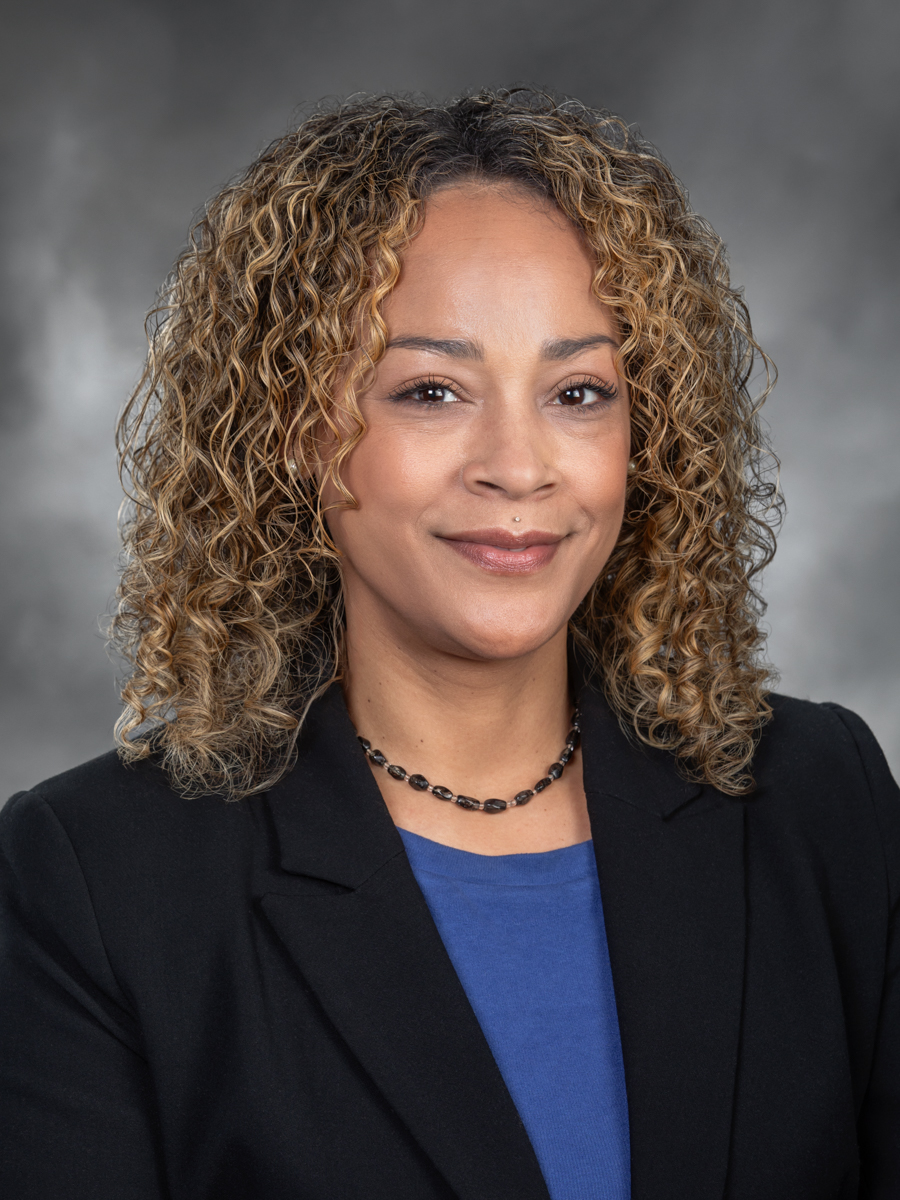
Rep. Natasha Hill
Sponsored bills
Maddy summaryHB 1630 requires dairy farms and certified feed lots in Washington State to annually report their methane emissions starting January 1st following rule adoption. It directly affects licensed dairies (under chapter 15.36 RCW) and certified feed lots by mandating they submit annual reports detailing total methane emissions from the previous year. The bill allows initial reports to use a three-month average for estimation and directs the department to establish reporting rules and schedules. This legislation aims to fill a data gap in understanding livestock methane contributions to greenhouse gas emissions, without setting emission limits or requiring reductions.
Maddy summaryHB 2045 creates a new 1% tax on businesses with over $250 million in annual revenue in Washington starting January 2026, targeting large corporations. It also increases the tax rate for financial institutions from 1.2% to 1.9% after July 2025. The bill exempts manufacturers, farmers, and certain income types from the new tax. These changes aim to fund K-12 education, public safety, health care, and basic needs programs, as stated in the legislative findings.
Maddy summaryHouse Bill 1233, known as the "ending forced labor act," aims to reform work programs for incarcerated persons within Washington State's correctional facilities. The bill updates legal terminology, replacing terms like "inmate" and "offender" with "incarcerated person." While the specific changes to work programs are not detailed in the provided text, the bill's title indicates a focus on ensuring these programs do not constitute forced labor. It also distinguishes between "privileges" earned through good conduct and performance, and services the department is legally required to provide.
Maddy summaryHB 1751 exempts required course materials (like textbooks and digital resources) from Washington state sales and use taxes for students enrolled at public colleges and universities. It requires students to show valid enrollment proof at approved vendors (campus bookstores or institution-designated online sellers) to qualify for the exemption. Public institutions must inform students about this tax break via their websites and course syllabi. The bill directly affects all students at Washington’s public higher education institutions by reducing out-of-pocket costs for essential learning materials, which the legislature notes are increasingly unaffordable (65% of students skip buying textbooks due to cost).
Maddy summaryHB 1555 changes how Washington state pays nursing homes for services starting July 1, 2025. It replaces the current system with a new three-part payment structure: direct care (covering staffing and therapy), indirect care (administrative and maintenance costs), and capital (facility costs). Payment rates will be adjusted annually based on the most recent cost data, with specific caps limiting how much rates can increase compared to previous years (e.g., a 142% cap for 2025). The bill directly affects nursing home providers receiving state Medicaid payments across Washington, aiming to better align payments with actual operating costs while maintaining minimum staffing standards.
Maddy summaryHB 1808 creates a state-funded revolving loan program to support permanently affordable homeownership for low-income households. The program provides loans (up to 50% of project costs) to nonprofit developers building housing that remains affordable for at least 99 years through long-term restrictions on resale and ownership. Loans carry interest rates between 1% and 2.5%, with repayments recycled into the fund to finance new projects. This directly affects low-income homebuyers (defined as households earning ≤80% of local median income) and nonprofit developers who build housing meeting specific affordability standards.
Maddy summaryHB 1503 aims to further digital equity and opportunity for all residents in Washington state, particularly focusing on underserved populations. The bill intends to broaden access to the internet, appropriate devices, and digital skills by expanding state assistance and support programs. It clarifies the collaboration between the Department of Commerce, responsible for broadband infrastructure, and the Office of Equity, which focuses on providing digital devices and services to individuals. Additionally, the bill updates definitions for terms like "broadband," "digital equity," and "low-income" households to enhance these efforts.
Maddy summaryHB 1561 extends key labor protections to domestic workers in Washington state, including nannies, house cleaners, home care workers, and household managers. The bill requires employers to pay the state minimum wage, provide overtime pay for hours over 40 per week, mandate 30-minute meal breaks after 2-5 hours of work, and guarantee 10-minute rest breaks every four hours. It also mandates written employment agreements in understandable language covering pay, schedule, and benefits, while prohibiting waivers of legal rights or forced arbitration clauses. The law explicitly excludes casual babysitters, family members, and workers in certain home-sitting roles from coverage.
Maddy summaryHB 1888 would expand the prescriptive authority of licensed naturopathic physicians in Washington State to include controlled substances in Schedules III through V of the Uniform Controlled Substances Act. Currently, Washington naturopaths have limited prescriptive authority for certain controlled substances, but this bill would align their scope with other states by allowing them to prescribe and manage these medications, including for opioid and benzodiazepine treatment. The bill directly affects licensed naturopathic physicians who currently face restrictions compared to practitioners in neighboring states. It amends Washington Revised Code sections to explicitly include these controlled substances within the scope of naturopathic practice, while maintaining oversight by the Board of Naturopathy. This change aims to address primary care shortages and improve patient access to comprehensive care, particularly in underserved areas.