

Maddy summaryHB 1714 allows small businesses with 20 or fewer employees to form joint self-insurance programs for property damage and liability claims, pooling resources to cover risks traditionally managed through commercial insurance. It requires state approval for all such programs, mandates reporting to the state risk manager, and designates the state risk manager as the legal representative for all lawsuits against the program. Participants must establish reserve funds and comply with specific operational standards, while excluding businesses already self-insuring or part of other regulated risk pools. This bill creates a new regulatory framework for small business risk pooling under Washington state law.
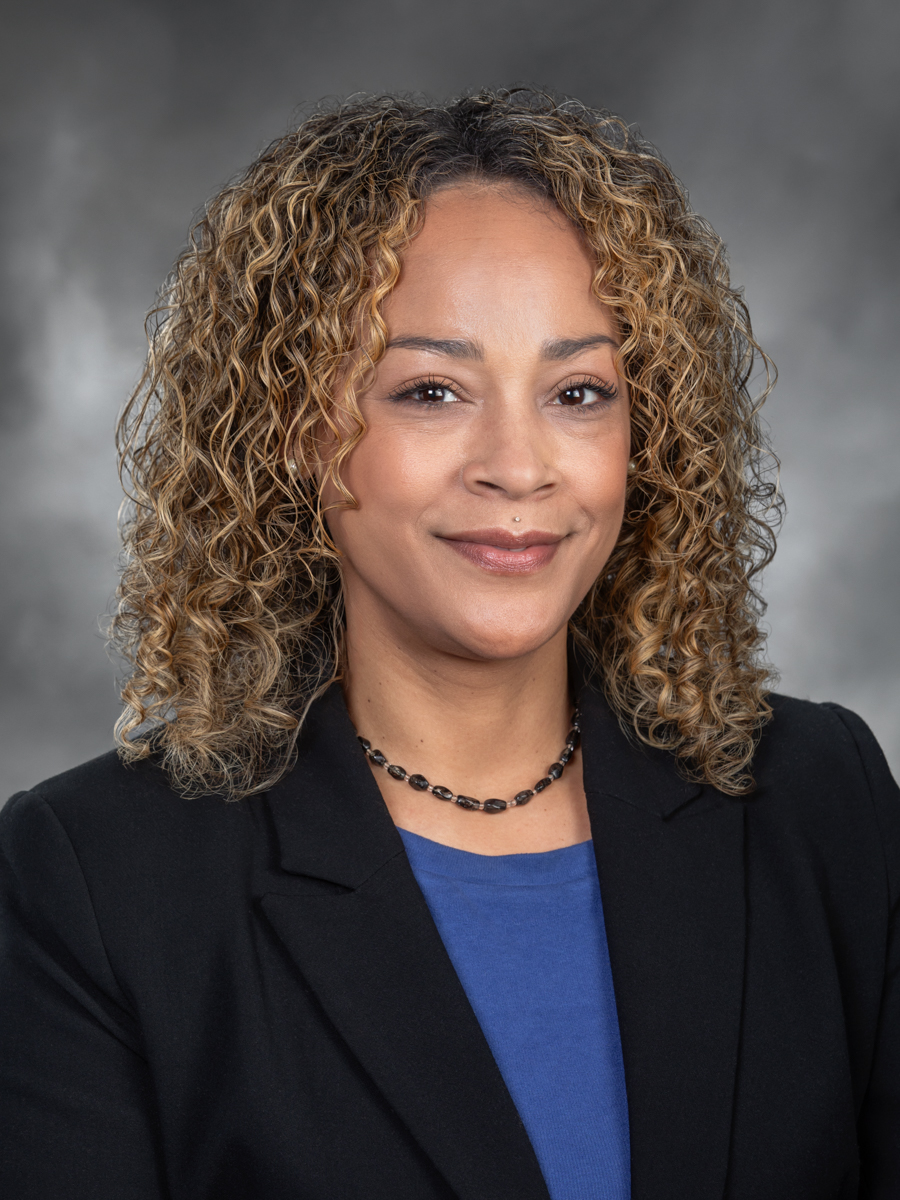
Rep. Natasha Hill
Sponsored bills
Maddy summaryHB 1211 would require clergy, including ministers, priests, rabbis, imams, and other religious leaders, to report suspected child abuse and neglect in Washington state. This bill amends the state's child abuse reporting law (RCW 26.44.020 and 26.44.030) to remove a previous exemption for clergy, making them mandated reporters under the same standards as other professionals. The key change broadens the definition of "member of the clergy" to include diverse religious leaders and integrates them into the reporting framework. This directly affects religious leaders who interact with children in Washington, requiring them to report suspicions of abuse or neglect to child protective services.
Maddy summaryHB 1116 designates the first Tuesday after the first Monday in November as "Election Day" for symbolic recognition in Washington State. The bill adds this date to the list of recognized observances under state law (RCW 1.16.050), alongside days like Juneteenth and Martin Luther King Jr. Day. It does not create a paid holiday or change voting procedures - it is purely a symbolic gesture to honor elections. The recognition applies to state government actions and communications, not to voting rights or election administration. This bill is procedural and non-binding, focusing on awareness rather than policy change.
Maddy summaryHB 1151 establishes a permanent ninth grade success grant program to fund school-based teams that identify and support ninth-grade students at risk of not graduating. The program, administered by the Office of the Superintendent of Public Instruction, prioritizes public schools with low ninth-grade on-track rates or below-average graduation rates, particularly in underserved communities. Grant funds cover team member compensation, professional development, substitute teachers for program duties, and direct student supports. Schools must report annually on participation, student demographics, and outcomes like on-track rates and graduation data through 2030.
Maddy summaryHB 1950 requires contractors or subcontractors who violate payment rules (RCW 39.04.250) to cover specific costs for certified minority- and women-owned subcontractors on public works projects. If a certified subcontractor cannot make timely employer contributions to a Taft-Hartley trust due to delayed payments, the responsible contractor must indemnify them for any associated fees or penalties. This applies only to public works contracts entered or renewed after the bill's effective date, targeting financial penalties related to pension/fund contributions, not general late payment expenses.
Maddy summaryHB 1836 establishes a state grant program to support local news journalism in Washington. It provides funding to eligible news organizations (including digital platforms meeting specific criteria) that employ at least three journalists per quarter in underserved communities, with grants proportional to reported journalist hours. The program aims to sustain local news coverage of civic affairs by requiring grantees to submit biennial progress reports. This directly affects struggling local news outlets facing staff declines (44% over 10 years) and ethnic media providers, as defined in the bill. The Washington Department of Commerce administers the program, collaborating with the Employment Security Department to verify journalist hours.
Maddy summaryThis bill requires all cities and towns in Washington to allow child care centers (including converting existing buildings) as an outright permitted use in every zoning area except industrial zones, without needing special approval. It permits local governments to impose minor restrictions on permits, such as designated pickup/drop-off areas. Cities required to update comprehensive plans in 2027 must incorporate these rules by then, while all other cities must implement them within two years of the law taking effect. The policy directly affects child care providers seeking locations and local governments managing zoning regulations.
Maddy summaryHB 1940 removes Washington's requirement that cannabis business owners must be state residents, which has limited investment options for social equity applicants. It creates a temporary tax exemption from the business and occupations tax for social equity cannabis businesses during their startup phase to help overcome funding barriers. The bill amends licensing laws (RCW 69.50.325 and 69.50.331) to eliminate residency restrictions and support low-income and minority entrepreneurs in accessing capital. These changes aim to align Washington's cannabis industry with national market competition and address inequities in business ownership.
Maddy summaryHB 1517 imposes a $2 tax on the retail sale of smart wireless devices (like smartphones, tablets, and laptops) priced over $250. The revenue collected will fund Washington's digital equity programs, specifically targeting underserved communities. This includes improving internet access, providing devices, and offering digital skills training for rural residents, seniors, veterans, low-income households, and others facing connectivity barriers. The tax applies to sellers who collect it from buyers at the point of sale, with funds deposited into a dedicated state digital equity account. The bill aims to address systemic gaps in digital access identified through legislative findings.
Maddy summaryHB 1280 amends Washington's school funding formula to require a 23:1 student-to-teacher ratio for career and technical education (CTE) programs in middle and high schools. This specifically affects sixth-grade students in middle school CTE programs by establishing a funding standard for class sizes. School districts receiving state basic education funds must allocate resources to maintain this ratio for CTE instruction. The bill modifies existing funding rules under RCW 28A.150.260 to include CTE class size requirements in the allocation formula. It does not mandate new CTE programs but sets parameters for funding existing or expanded middle school CTE offerings.