

Maddy summaryHB 1018 expands Washington state's energy facility site certification process to include fusion energy facilities. This means that proposed fusion energy projects will now be eligible for review and approval by the Energy Facility Site Evaluation Council (EFSEC). The bill integrates fusion energy into the existing framework for siting major energy infrastructure, aiming to streamline the application process for such facilities. This policy change aligns with the state's goals to develop clean energy sources and reduce greenhouse gas emissions.
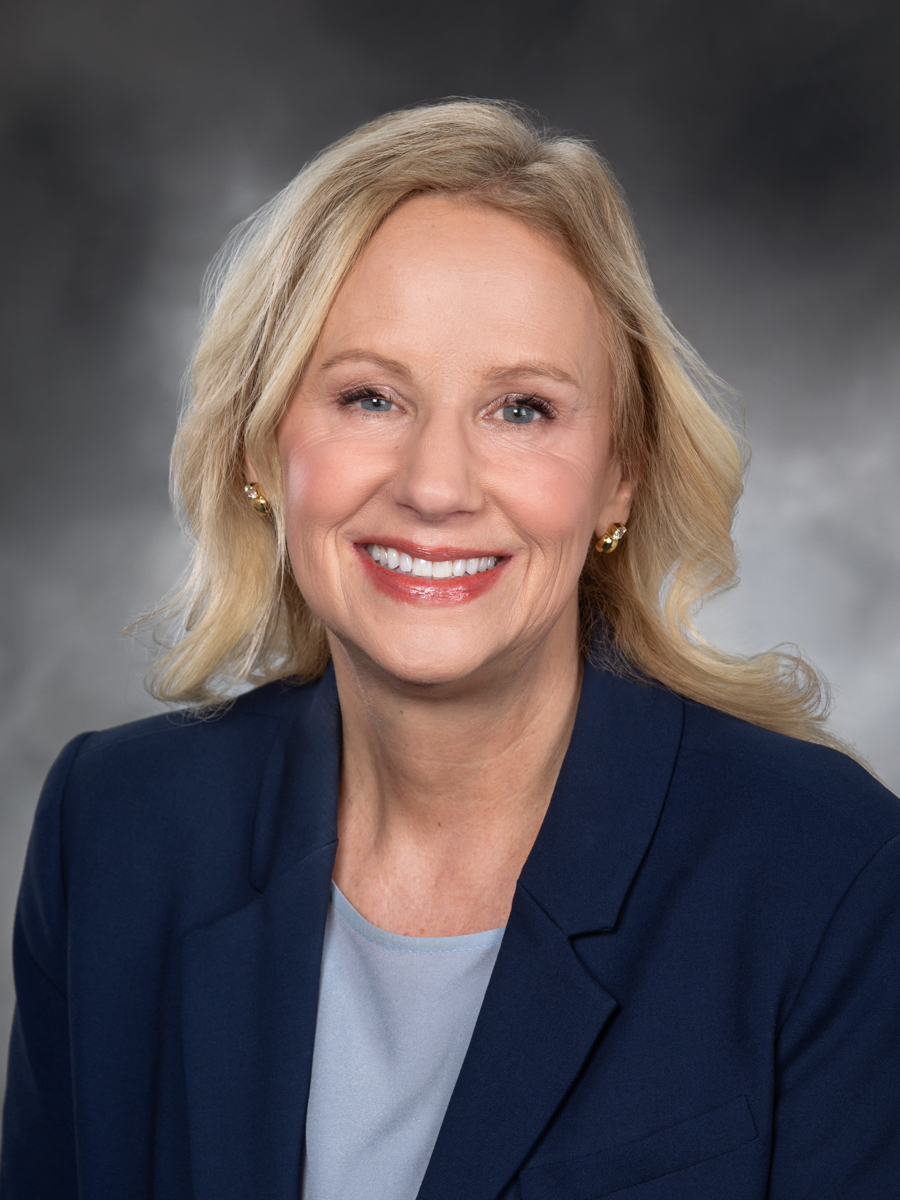
Rep. Mari Leavitt
Sponsored bills
Maddy summaryHB 1562 mandates that public buildings in Washington state provide baby diaper changing stations, directly benefiting parents and caregivers. It requires these buildings to install a changing station in at least one restroom accessible to women and one accessible to men, or in a gender-neutral restroom. This requirement applies to new public buildings and existing ones undergoing restroom remodels costing $15,000 or more. The bill includes exemptions if installation is not feasible or violates accessibility standards, and establishes a warning for a first violation, followed by a civil infraction for subsequent offenses.
Maddy summaryHouse Bill 1052 clarifies the definition of a hate crime offense in Washington state, applying to individuals who commit malicious and intentional acts against others based on perceived protected characteristics. It specifies that assault, property damage, or threats made due to a person's perceived race, religion, gender, sexual orientation, or disability constitute a hate crime. The bill also outlines specific acts, such as burning a cross or defacing property with Nazi symbols, that can be used to infer intent to threaten a victim based on their perceived characteristics. Commission of a hate crime offense is established as a Class C felony.
Maddy summarySubstitute House Bill 1232 amends existing Washington state laws concerning private detention facilities. The bill modifies the definition of a "private detention facility" to include any private, nongovernmental entity, removing the previous restriction to only for-profit entities. It revises the specific operational standards that these facilities must meet for detained persons. The new provisions require a safe and clean environment, accessibility for individuals with disabilities, adequate utilities like heating and hot water, and established maintenance and housekeeping policies.
Maddy summaryHouse Bill 1023 adopts the Cosmetology Licensure Compact, creating a new multistate licensing program for cosmetologists. This compact allows licensed cosmetologists to practice in any participating member state with a single license issued by their home state, aiming to reduce licensing burdens and enhance mobility for professionals, including military spouses. It establishes a commission to set uniform requirements and facilitate cooperation among states for licensure, investigations, and discipline. The bill's purpose is to improve public access to, and safety of, cosmetology services while addressing workforce shortages. Washington State's adoption of this compact will become effective on June 1, 2028.
Maddy summaryHouse Bill 1271 amends the criteria for deploying state fire service resources during emergencies in Washington. It expands the definition of "mobilization" to allow for the early deployment of resources when an emergency is *predicted* to exceed local capabilities, rather than only after local resources have already been overwhelmed. This change enables a more proactive response from fire departments, fire districts, and regional fire protection service authorities to potential large-scale incidents. The bill also clarifies that these mobilized resources cannot be used to assist law enforcement during civil protests or demonstrations, but can still provide medical aid and firefighting services.
Maddy summaryHB 1149 updates and clarifies Washington State's animal cruelty laws, specifically within RCW 16.52, to enhance the prevention of cruelty to animals. The bill redefines key terms such as "abandons," "necessary food," "necessary medical attention," "necessary sanitation," "necessary shelter," "necessary space," and "necessary water." These changes establish more explicit standards for the adequate care of nonhuman mammals, birds, reptiles, and amphibians. It also introduces a comprehensive definition of "minimum care," providing clearer guidelines for animal owners, animal care and control agencies, and law enforcement.
Maddy summaryHB 1130 establishes a prioritization system for individuals with developmental disabilities seeking home and community-based services waivers in Washington State. It directs the Developmental Disabilities Administration to prioritize specific populations, such as those over age 45, individuals discharging from institutional settings, or those without a safe hospital discharge plan. The bill also mandates the administration to align its rules with this prioritization and to routinely collect and publicly report data on waiver enrollment, waitlists, and unfulfilled service requests. This aims to ensure that individuals identified as most in need receive timely access to critical support services.
Maddy summaryHB 1596, titled "Concerning accountability for persons for speeding," requires certain drivers to install an "intelligent speed assistance device" in their vehicles. This applies to individuals with temporary restricted or occupational driver's licenses, those on probation for specific traffic offenses, or by court order. The device uses GPS to limit a vehicle's speed to the posted limit, though it includes a limited override function for up to three uses per month. Drivers are responsible for the costs of installation, maintenance, and a monthly fee, with some exemptions for employer-owned vehicles and indigence. Data collected by these devices is securely maintained and generally not shared without a court order.
Maddy summaryHouse Bill 1106 expands eligibility for property tax relief to more disabled military veterans in Washington state. It lowers the required combined service-connected disability rating from 80% to 40% or higher for veterans to qualify for property tax exemptions on their primary residence. This change allows a broader group of disabled veterans to receive a reduction in their annual property tax obligations, provided they meet other existing criteria related to residency, ownership, and income thresholds. The bill aims to recognize the sacrifices of veterans by making property tax relief more accessible.