

Maddy summaryHB 2398 creates a tax credit for Washington small businesses (50 or fewer employees) that provide maritime trade educational assistance to employees working aboard or servicing U.S. flagged vessels. The credit covers 100% of eligible training costs - such as tuition, tools, and maritime certification programs - up to $20,000 per business annually, with unused credits carryable for five years. It applies to both business and occupation taxes (Chapter 82.04 RCW) and public utility taxes (Chapter 82.16 RCW), excluding overlapping credits. The credit expires for claiming on January 1, 2038, and the law ends January 1, 2039. Eligible employees must be enrolled in Washington maritime training programs supporting careers like commercial fishing, marine engineering, or vessel operations.
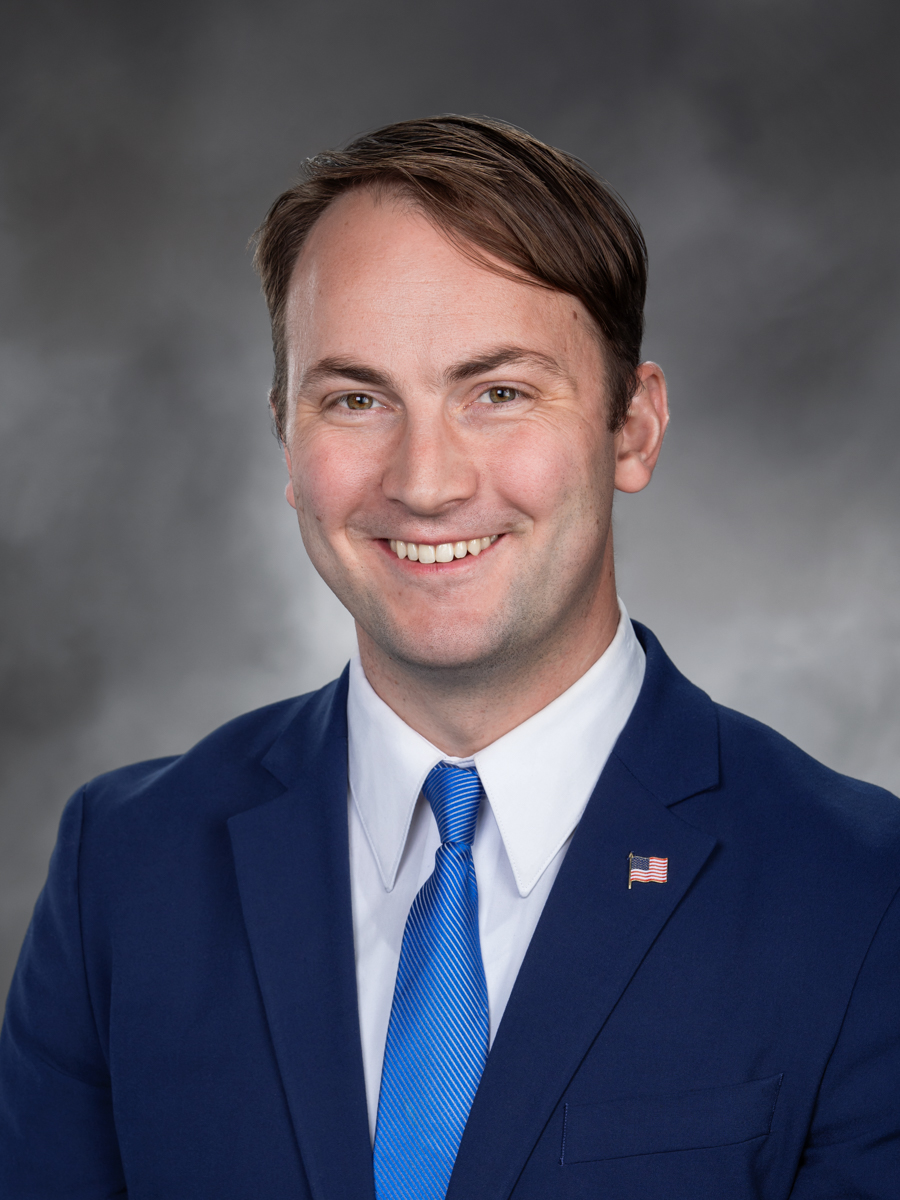
Rep. Adison Richards
Sponsored bills
Maddy summaryHB 2162 creates a program to help new lawyers working as prosecutors or public defenders pay student loans by offering annual grants of up to $10,000 per year. It funds these grants through a tax credit for law firms that contribute to a dedicated account, allowing firms to claim a business and occupation tax credit equal to their contribution (up to $20,000 annually). The law requires the program to begin by 2027, with grants awarded based on available funds, and mandates annual reports on participation and spending. This bill directly affects public defense/prosecution lawyers and participating law firms, aiming to improve recruitment and retention in these roles through financial incentives. The program expires December 31, 2038.
Maddy summaryHB 2163 amends Washington state law to require counties and cities to adopt specific standards for public defense services, directly affecting local jurisdictions that provide legal representation to indigent defendants. The bill mandates that these standards include clear case load limits for attorneys, compensation details, attorney qualifications, handling of expert witness fees, and procedures for monitoring and evaluating service quality. It removes previous language requiring local standards to follow Washington State Bar Association guidelines, instead making those guidelines optional references. The law aims to clarify minimum requirements for public defense systems while allowing jurisdictions to align with court rules where possible.
Maddy summaryHB 2138 requires Washington public schools to implement evidence-based reading programs by the 2028-29 school year, focusing on foundational literacy skills for students in grades K-4. It mandates schools to hire reading coaches, adopt structured literacy approaches aligned with research (emphasizing phonics, fluency, and comprehension), and provide targeted support for students with dyslexia. The bill also creates READ grants of up to $75,000 annually per elementary school to fund literacy initiatives, requires the state to publish 10 years of school performance data online, and directs a review comparing Washington’s math standards to Singapore’s method (with a 2026 report deadline). These changes directly affect elementary schools, teachers, and students, particularly those struggling with early literacy and math proficiency.
Maddy summaryHJM 4008 is a non-binding legislative memorial urging collaboration among Washington's legal institutions to promote existing legal education programs. It requests law schools, bar associations, prosecutor offices, public defense agencies, and courts to jointly encourage law students to participate in current programs like the Rule 6 law clerk program, Rule 9 licensed legal intern program, and rural legal partnerships. The memorial specifically asks these entities to educate students about these opportunities and support their participation during the final year of law school. This aims to address staffing needs in public defense and prosecution while developing students' practical legal skills.
Maddy summaryHB 1582 would require building officials to calculate occupancy limits for child care centers based solely on the areas used for child care services, not the entire building. This change applies to centers operating in multi-use buildings like churches or existing structures with separate child care spaces. The bill aims to remove a barrier for providers seeking to use existing buildings instead of constructing new facilities. It directly affects child care centers, building officials, and property owners considering converting existing spaces for child care use.
Maddy summaryHB 1668 modifies Washington's sentencing guidelines by adjusting how prior convictions affect an offender's score used to determine sentences. It allows certain prior felony convictions (like Class B or C felonies, excluding sex offenses and DUI) to be excluded from the scoring if the offender has gone five or ten years without new convictions after release. This primarily affects individuals with past non-violent felony records who maintained clean criminal histories for extended periods. The bill aims to reduce sentencing severity for low-risk offenders who demonstrate sustained rehabilitation, without altering penalties for violent offenses or specific crimes like DUI.
Maddy summaryHB 1535 prohibits dental insurers from restricting patient choice or limiting care based on network agreements, requiring dentists to make treatment decisions with patients rather than insurers. It mandates that at least 85% of dental insurance premiums be spent directly on patient care, not administrative costs, and gives patients the right to request independent reviews for denied claims. The bill directly affects dental patients (ensuring access to chosen providers and fair coverage), dentists (protecting their clinical autonomy), and dental insurers (requiring compliance with transparency and spending rules). These changes aim to create a fairer system by aligning dental insurance protections with medical insurance standards and reducing out-of-pocket costs for Washington residents.
Maddy summaryHB 2013 allows liquor licensees (like restaurants, breweries, and wineries) in cities designated as "fan zones" or "host cities" for international sports events in 2026 to temporarily expand alcohol service during June and July 2026. It permits shared alcohol service areas across multiple licensees within a two-square block or two one-block zones, requiring joint safety plans covering age checks, staff ratios, and container rules to distinguish alcoholic from non-alcoholic drinks. Licensees must coordinate with the Liquor and Cannabis Board for approval, bypass local permits for public space use, and comply with strict operational requirements during events. The authorization expires August 1, 2026, and applies only to designated event areas for specific international competitions.
Maddy summaryHouse Bill 1822 establishes a new requirement for certain driver's license applicants in Washington state. It mandates that individuals under the age of 26 applying for their first driver's license must successfully complete an online course focused on driver safety in work zones and around first responders. The Department of Licensing is tasked with contracting for and providing this online course at no cost for Washington residents between 15 and 25 years old. This safety course also becomes a necessary step for obtaining an intermediate driver's license.