

Maddy summaryHB 1928 requires the Washington State Senate to confirm the governor's appointments to vacancies on the Supreme Court. The Senate must vote on confirmations before a legislative session ends if appointed during session, or at the next session if appointed outside sessions, needing a two-thirds majority. Rejected appointees cannot be reappointed for two years, and confirmed appointees serve until the next general election. The bill takes effect only if voters approve a related constitutional amendment in the 2026 election.
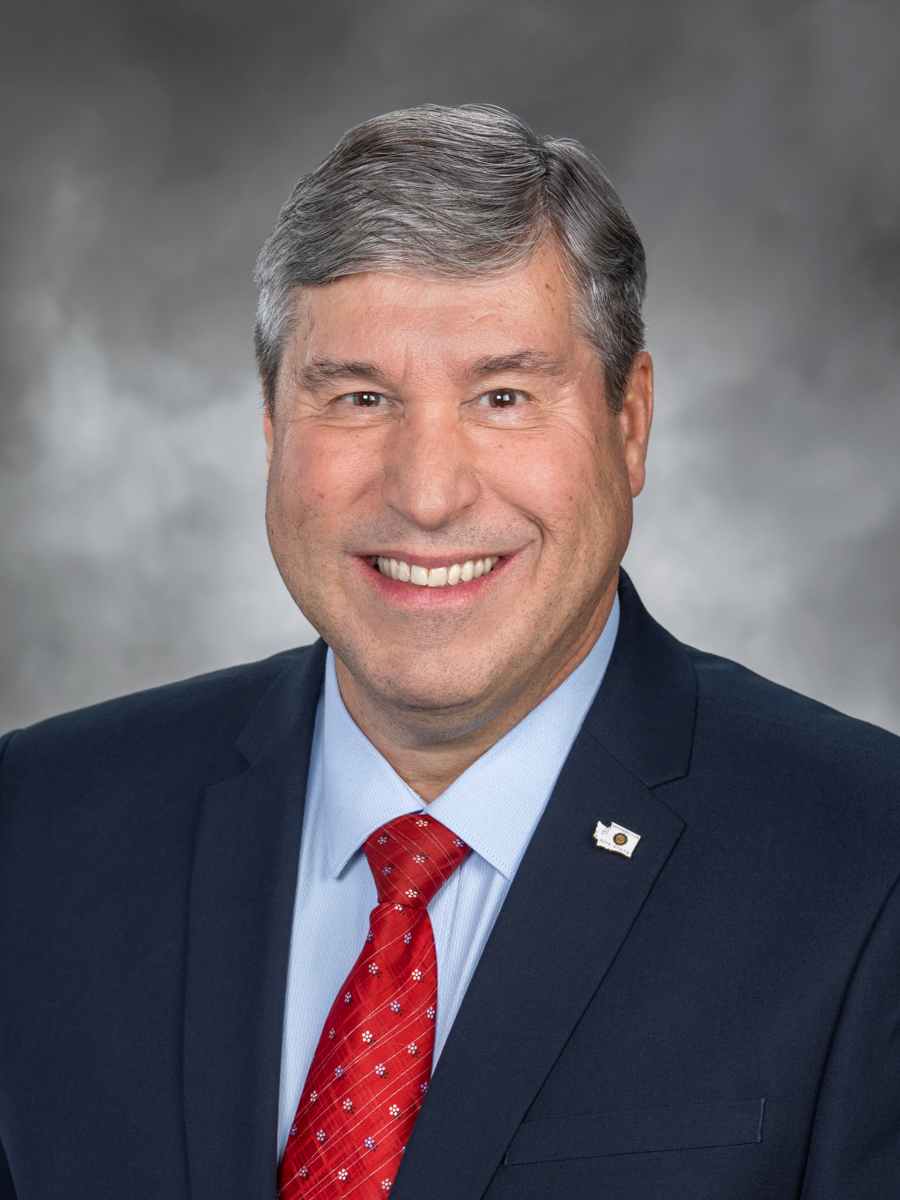
Rep. Michael Keaton
Sponsored bills
Maddy summaryHB 2002 establishes a reward program to encourage the public to report information about firearms used in felony crimes. It provides up to $500 for locating such firearms, or up to $5,000 if the report leads to a conviction, excluding law enforcement officers, individuals with warrants, or government employees acting in their official capacity. The cash rewards will be funded from existing county and municipal criminal justice assistance accounts, which distribute funds based on population, crime rates, and court case volumes. The bill directly affects law enforcement agencies (who receive the information) and the public (who may submit tips for rewards), while amending funding mechanisms for local criminal justice programs.
Maddy summaryThis bill removes excise taxes on unleaded aircraft fuel (defined as 100 octane fuel without lead) for both businesses and consumers who use it. It directly affects aircraft fuel dealers, distributors, and aviation operators (including air carriers and local service commuters) who purchase or use this specific fuel. Key provisions amend tax codes to exempt unleaded aircraft fuel from excise taxes under RCW 82.42.030 and create new exemptions in chapters 82.08 and 82.12. The tax exemptions expire on January 1, 2032, and apply only to commercially available unleaded fuel meeting the defined standard.
Maddy summaryHB 1285 establishes financial education instruction as a graduation requirement for public high school students in Washington state. Beginning in the 2027-28 school year, all high schools must provide instruction in the state financial education learning standards. Starting with the graduating class of 2031, students will be required to meet these standards to graduate. The bill also tasks the Office of the Superintendent of Public Instruction with making instructional materials available and outlines monitoring responsibilities for the State Board of Education.
Maddy summaryHB 1625 creates a grant program to provide funding for back country search and rescue (SAR) organizations and volunteers in Washington state. The program directly supports groups that respond to emergencies in remote, rugged terrain, where specialized skills and equipment are required to locate and rescue individuals. The bill amends state law to establish this grant mechanism, enabling these organizations to maintain operations and services. This policy change offers concrete financial resources to enhance SAR capabilities in backcountry areas.
Maddy summaryHB 1777 streamlines the state approval process for apprenticeship programs that already have federal approval, directly affecting program sponsors (including tribal and nontribal organizations) and employers seeking to expand training opportunities. It requires the apprenticeship council to expedite reviews of federally-approved programs by limiting state-specific scrutiny to unique requirements, while reforming competitor objections: objections must be filed within 30 days of provisional approval, and frivolous objections can trigger penalties like attorney fee payments or $10,000 fines. The bill also mandates annual reports comparing Washington’s program approval rates to federal standards and other states, including details on pending applications and denial reasons. These changes aim to reduce current delays - where 4 of 17 2024 applications remained pending after federal approval - without altering apprenticeship content or creating new training slots.
Maddy summaryHB 1762 prohibits Washington state's public colleges and universities from requiring students to live in on-campus housing or university residence halls. This bill directly affects public higher education institutions (like the University of Washington or community colleges) and their students. The key provision adds a new legal restriction to state law, making it illegal for these public schools to mandate residential living as a condition of enrollment. The bill focuses solely on eliminating this requirement, without changing other housing policies or financial aspects.
Maddy summaryHB 1849 expands Washington's unexpired prescription drug donation program by removing the requirement that donated drugs must have more than six months until expiration. This change allows pharmacies to accept a wider range of eligible drugs, directly affecting donors (like patients or healthcare providers), pharmacies participating in the program, and individuals receiving donated medications. Key provisions include updated safety checks by pharmacists, mandatory recall notifications for all parties involved, a prohibition on reselling donated drugs, and clarification that donated drugs cannot be reimbursed by health insurers. The bill aims to increase access to unused medications while maintaining safety standards through revised expiration timing and enhanced recall protocols.
Maddy summaryHB 1117 repeals Washington State's adoption of California's motor vehicle emissions standards, which had caused registration barriers for vehicles meeting federal standards. The bill directly affects vehicle owners who previously needed 407,541 exemptions to register their vehicles and government agencies managing registrations. Key provisions require the Department of Licensing to register previously prohibited vehicles (if they meet state requirements) and direct the Department of Ecology to repeal all rules implementing California standards. This eliminates administrative burdens on both the public and government, allowing vehicles to be registered without exemptions under federal standards. The bill takes immediate effect as an emergency measure.
Maddy summaryHB 2036 prohibits individuals convicted of violent offenses involving a firearm from earning early release credits under Washington's sentencing laws. It directly affects people serving sentences for violent crimes where a firearm was used or involved, as defined by existing law. The bill amends RCW 9.94A.729 to explicitly deny all "good time credits or earned release time" for sentences tied to such offenses. This change modifies current early release eligibility rules, ensuring offenders convicted of firearm-related violent crimes cannot reduce their sentences through earned credits. The policy focuses on restricting sentence reductions for specific high-risk offenses, not altering general sentencing guidelines.