

Maddy summaryHJM 4012 is a Washington State House Joint Memorial urging Congress to pass the Major Richard Star Act (H.R. 2102), which would amend federal law to extend "full concurrent receipt" benefits to combat-injured veterans regardless of their years of service. Currently, veterans with less than 20 years of service who are medically retired due to combat injuries receive less federal disability compensation than those with 20+ years, creating inequity. The memorial requests Congress schedule a vote on H.R. 2102 to resolve this disparity and fulfill the nation's obligation to all combat-injured veterans. This is a procedural request to the federal government, not a state law.
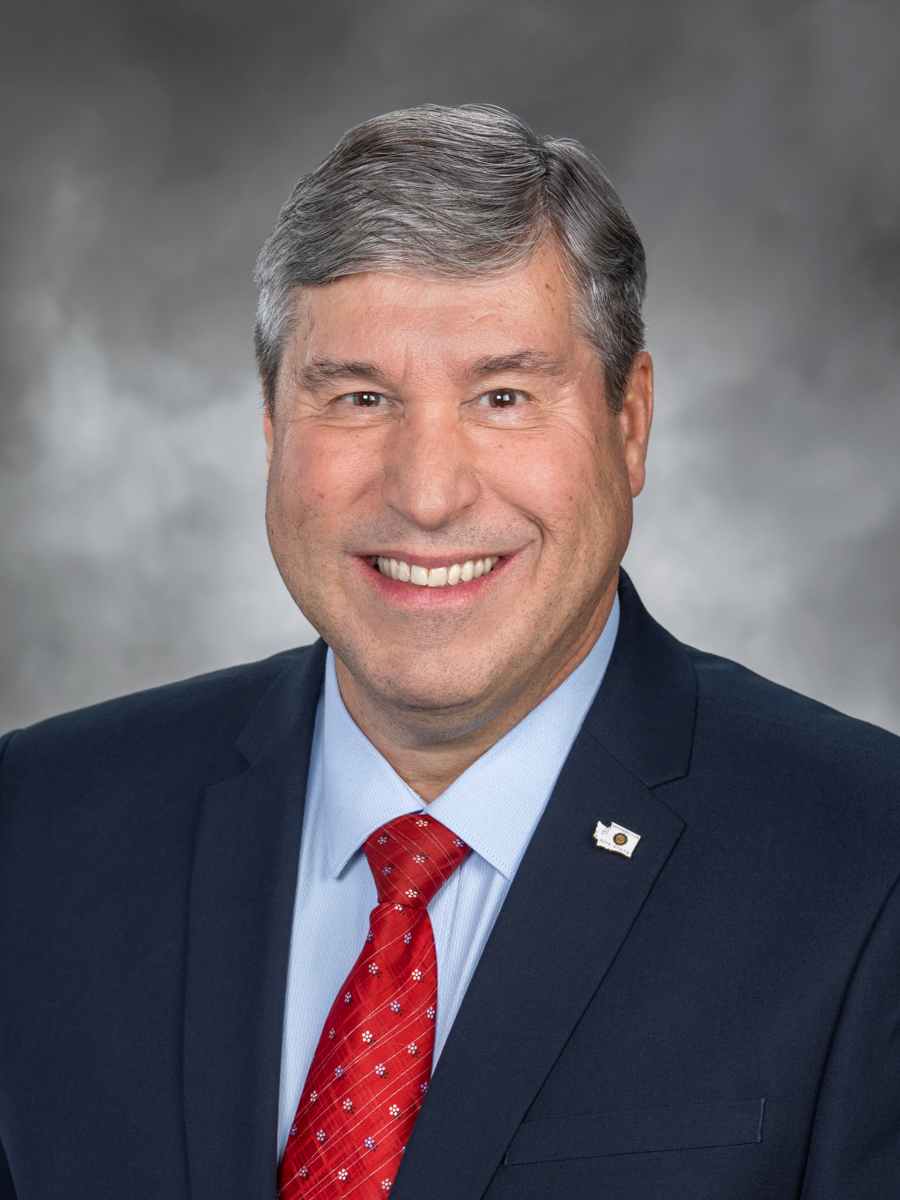
Rep. Michael Keaton
Sponsored bills
Maddy summaryThis bill is a ceremonial resolution (HR 4691) adopted by the Washington State House of Representatives on February 16, 2026. It formally commends the contributions of U.S. presidents, specifically highlighting George Washington and Abraham Lincoln's roles in establishing freedom and ending slavery, and recognizes the third Monday in February as Presidents' Day. The resolution does not create new laws or affect any individuals or policies; it solely expresses the House's symbolic honor for presidential legacies. It directly affects no one but serves as a formal statement of recognition by the state legislature.
Maddy summaryThis joint legislative memorial requests Washington's Governor to express state interest in hosting a federal nuclear energy innovation campus. It directs the Governor to prepare a state response to the U.S. Department of Energy's request for information, outlining Washington's capabilities in nuclear technology, workforce, and infrastructure. The memorial aims to position Washington to participate in a federal initiative focused on advancing nuclear energy technology, job creation, and grid reliability. It is a procedural request, not a law, directing state action to pursue a federal opportunity.
Maddy summaryThis is a ceremonial resolution (not substantive legislation) passed by the Washington state House of Representatives. It formally congratulates the Seattle Seahawks football team for winning the 2025 NFL regular season, NFC West Division championship, and Super Bowl 60. The resolution specifically recognizes their 14-3 record, defensive dominance, key player achievements (including MVP Kenneth Walker III), and community contributions. It has no legal effect beyond expressing the House's recognition and appreciation to the team organization.
Maddy summaryThis bill is a ceremonial resolution honoring Seattle Mariners catcher Cal Raleigh for his 2025 MLB achievements, including setting a record for home runs by a catcher (60) and winning the Home Run Derby as the first switch-hitting catcher. It recognizes his role in helping the Mariners win their first division title since 2001 and his awards like the Silver Slugger and Players' Choice Player of the Year. The resolution formally expresses the Washington State House of Representatives' appreciation and transmits copies to Raleigh, the Mariners organization, and MLB. As a symbolic gesture, it does not create new laws or affect policy.
Maddy summaryHB 2729, the Retail Theft Accountability Act, mandates a minimum 30-day jail sentence (up to 364 days) and up to $5,000 in fines for repeat offenders convicted of specific property crimes like third-degree theft or possessing stolen goods within two years. It directly affects repeat offenders (18+ with two prior convictions) and aims to protect retail businesses - especially essential stores like grocery and pharmacy outlets - that face closures due to theft. The bill allows courts to offer court-supervised diversion programs (e.g., treatment, job support) instead of jail if participants complete them successfully; failure to complete results in the mandatory sentence. This law takes effect July 1, 2026, to address community safety concerns tied to unsustainable theft losses.
Maddy summaryThis is a symbolic resolution (not a law), introduced by Washington state House representatives. It recognizes the domestic maritime industry's role in disaster response - citing examples like evacuations after 9/11 and aid delivery during Maui wildfires - and highlights its economic impact (22,500 jobs, $1.5B in labor income). The resolution states the industry's value in supporting community resilience during natural disasters but contains no new laws, funding, or binding requirements. It directs the resolution to be sent to U.S. Congress members as a statement of support.
Maddy summaryHB 2200 requires Washington's legislature to standardize and publicly share safety data for residential settings serving individuals with developmental disabilities. It directs a review of safety metrics (like 911 calls, ER visits, and placement terminations) from 2022-2025 across state-operated facilities, state living alternatives, and private contracted settings (including group homes). The bill mandates a public dashboard by June 2027, showing comparative data on emergency service use and placement stability to help families and taxpayers evaluate options. This affects the Department of Social and Health Services (which must create the dashboard), residential providers (which must supply data), and families seeking transparent safety information. The dashboard will update annually with new data starting from 2026.
Maddy summaryHB 2146 defines and strengthens criminal penalties for sexual exploitation of minors in Washington State. It makes it a crime for anyone to force a minor into sexually explicit conduct for photos or live performances (section 1a), aid or invite minors into such situations (1b), or for parents/guardians to permit it (1c). The bill upgrades this offense to a class B felony under state law, increasing penalties. It directly affects minors who may be exploited, perpetrators of such acts, and caregivers who fail to protect minors. The law focuses on specific, concrete prohibitions rather than broader policy changes.
Maddy summaryHB 2712 requires Washington school districts to conduct all collective bargaining negotiations (including contract talks and grievance meetings) publicly, either in person or via video streaming, and to post all negotiation documents and final agreements on their public website within two business days. It mandates public notice of meetings per the Open Public Meetings Act (chapter 42.30 RCW) but does not require public comment during negotiations or cover post-agreement grievance proceedings. The bill directly affects school districts and their negotiations with employee organizations, ensuring transparency in the bargaining process. Violations would be treated as breaches of the Open Public Meetings Act.