

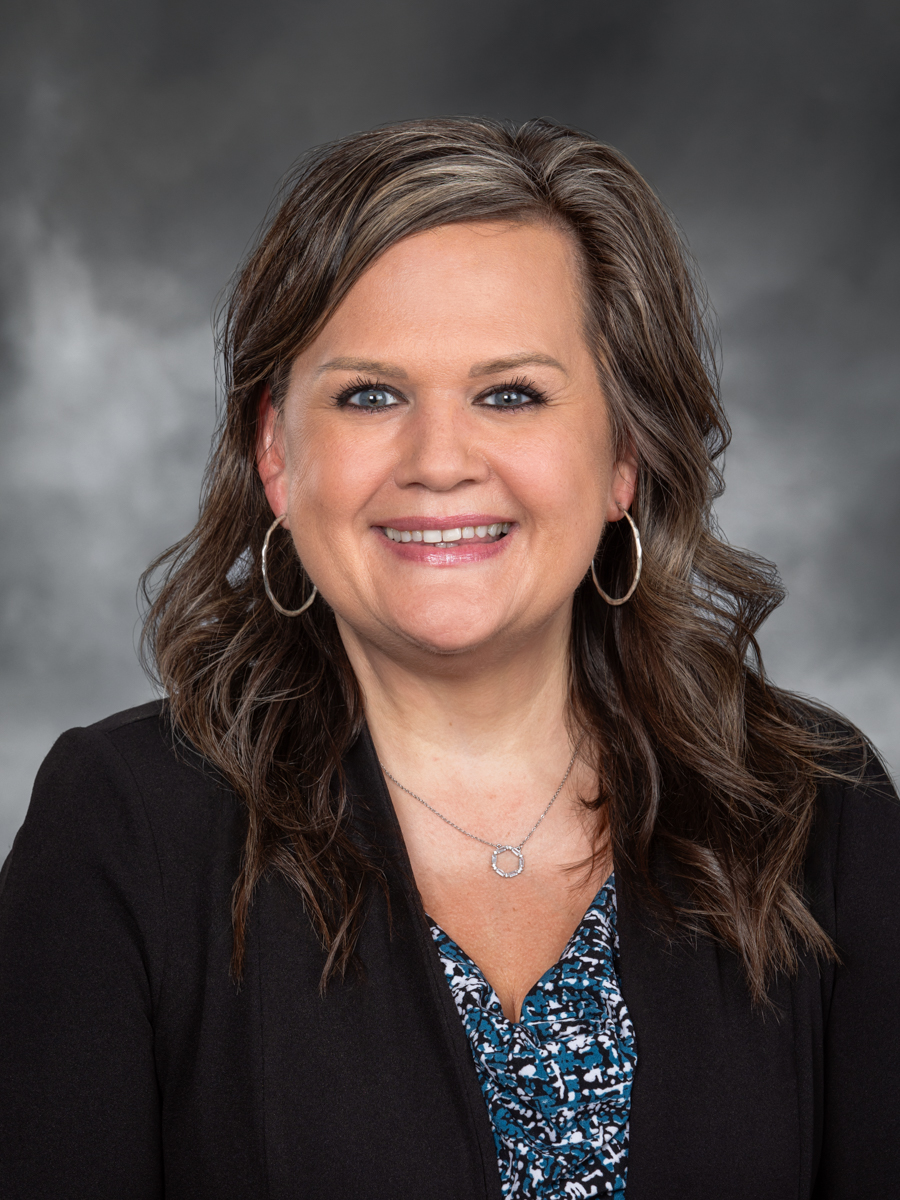
Photo of Tarra Simmons
D Washington House · District 23 On the 2026 ballot

Rep. Tarra Simmons

Compare
Total votes
3,509
all sessions
Attendance
98%
84 missed
Lower than 88% of chamber peers
With party
99%
of cast votes
Near the chamber average
Bipartisan score
0%
crosses aisle rarely
Near the chamber average
Sponsored
1,039
bills & resolutions
Higher than 91% of chamber peers
Committees
4
assignments
1,039 bills and resolutions

Sponsored bills

Total
1,039
Primary
63
Co-sponsor
976
This page
1,039
matching current filters
Co-sponsor HB 1570
Signed into law · Washington House · Co-sponsor
Concerning collective bargaining for certain employees who are enrolled in academic programs at public institutions of higher education.

Maddy summaryHB 1570 grants collective bargaining rights to student employees (those enrolled in academic or certificate programs) at Central Washington University, Eastern Washington University, Western Washington University, and The Evergreen State College. It defines specific bargaining topics, including tuition remission and waivers, while excluding issues like academic calendars, tuition amounts, student admissions, and termination based on academic performance. Compensation agreements must align with legislative budget limits, though institutions may offer additional pay beyond these limits. The bill applies only to employees not already covered by other collective bargaining laws at these institutions.

Signed into law Mar 18, 2026 1 co-sponsor
Co-sponsor HB 2238
Signed into law · Washington House · Co-sponsor
Concerning statewide food security.

Maddy summaryHB 2238 requires Washington's Department of Agriculture to develop a statewide food security strategy by December 2027, aimed at ending hunger, reducing diet-related health disparities, and strengthening agricultural supply chains. The strategy must define food security through three lenses - access, agricultural viability, and supply chain resilience - and establish metrics to track regulatory costs (like fuel and labor), food access gaps, and agricultural competitiveness. It mandates collaboration with state agencies, tribes, BIPOC communities, small farmers, and food policy organizations to identify policy barriers, coordinate disaster response, and address root causes of hunger. The bill expires July 1, 2028, and requires the department to report on agricultural regulatory competitiveness every four years starting in 2030.

Signed into law Mar 17, 2026 1 co-sponsor
Co-sponsor HB 2219
Signed into law · Washington House · Co-sponsor
Enhancing the operational efficiency of child care providers.

Maddy summaryHB 2219 creates unified licensing standards for all child care providers in Washington, replacing separate rules for different settings like family care, nature-based programs, and centers. It allows child care centers to combine age groups for up to 4 hours daily (with 90 minutes for staff breaks) while maintaining required staff-to-child ratios, and waives redundant orientation requirements for providers who already completed similar training. The bill directly affects licensed child care providers, early learning programs, and the Department of Children, Youth, and Families, which must implement these standards within available funding. Key changes streamline operations by reducing administrative complexity and aligning quality standards with existing programs like Early Achievers.

Signed into law Mar 17, 2026 1 co-sponsor
Primary HB 2340
Signed into law · Washington House · Lead sponsor
Applying substance use disorder monitoring program provisions to nursing assistants.

Maddy summaryHB 2340 extends substance use disorder monitoring program protections to nursing assistants who are credentialed under Washington state law. It prohibits public posting of enforcement actions against these professionals if they comply with a board-approved monitoring program. The bill creates a stipend program covering up to 80% of eligible out-of-pocket costs for program participation, including treatment, evaluations, and peer support. Nursing assistants must apply for the stipend, demonstrate financial need, and actively participate in the program to qualify. The board must publicly report program participation and expenses annually.

Signed into law Mar 16, 2026 0 co-sponsors
Co-sponsor HR 4714
Passed · Washington House · Co-sponsor
Honoring Representative Graham.

Maddy summaryThis bill is a House resolution that formally recognizes Representative Virginia "Jenny" Graham for her public service in the Washington State House of Representatives. It highlights her eight-year tenure, her advocacy for public safety, and her work on community safety and veterans' issues. The resolution does not create new laws or policies but serves as an official acknowledgment of her contributions and legacy.

Passed Mar 12, 2026 1 co-sponsor
Co-sponsor HR 4713
Passed · Washington House · Co-sponsor
Honoring John Michael Sattgast.

Maddy summaryThis bill is a House resolution that formally honors John Michael Sattgast for his 35 years of dedicated service as a communications professional for the House Republican Caucus in the Washington State Legislature. It recognizes his work producing over 4,000 radio stories and coordinating media coverage for state representatives, as well as his leadership roles with the National Conference of State Legislatures. The resolution acknowledges his contributions to sharing legislative history and public information, noting his receipt of the 2023 Legislative Staff Achievement Award. This measure serves as a commemorative tribute rather than establishing new policy or affecting government operations.

Passed Mar 12, 2026 1 co-sponsor
Co-sponsor HR 4715
Passed · Washington House · Co-sponsor
Honoring Representative Tharinger.

Maddy summaryThis bill formally acknowledges the service of Representative Steve Tharinger to his district and the Washington state legislature. It recognizes his long career in public service, including his time as a Clallam County Commissioner, his work on the House Capital Budget Committee, and his advocacy for environmental protection and healthcare. The resolution serves as a commemorative tribute to his contributions and personal qualities rather than establishing new laws or policies.

Passed Mar 12, 2026 1 co-sponsor
Co-sponsor HB 2464
Passed · Washington House · Co-sponsor
Concerning reporting requirements and law enforcement responses for incidents at private detention facilities.

Maddy summaryHB 2464 requires private detention facilities operating under government contracts to meet specific standards for food services, staff training, and infection control, while mandating timely reporting of serious incidents like abuse, death, or injuries to health and law enforcement. Facilities must provide balanced meals with dietary oversight, maintain safety protocols, and post clear policies on detained persons' rights. Starting November 2026, law enforcement agencies must annually report to the health department on how they responded to facility incidents, including whether victims received police reports or prosecutions occurred. The bill directly affects private detention facilities with government contracts, aiming to improve oversight and accountability in their operations.

Passed Mar 12, 2026 1 co-sponsor
Co-sponsor HB 2515
Passed · Washington House · Co-sponsor
Addressing emerging large energy use facilities.

Maddy summaryHB 2515 requires data centers with 20+ megawatt demand - defined as "emerging large energy use facilities" - to transition to 100% clean energy over time and publicly disclose their electricity, water, and refrigerant usage. The bill aims to protect energy affordability, grid reliability, and environmental health by mandating transparency and clean energy standards for these rapidly growing facilities. It amends existing energy laws to establish new definitions and oversight for data centers, which are projected to become the largest source of electricity demand growth in the Pacific Northwest. The policy applies directly to data center operators, with requirements phased in to align with industry innovation while safeguarding public interests.

Passed Mar 12, 2026 1 co-sponsor
Co-sponsor HB 2109
Passed · Washington House · Co-sponsor
Addressing vehicle loads on public highways.

Maddy summaryHB 2109 requires vehicles transporting loose materials (like dirt, sand, or gravel) on Washington public highways to securely cover loads or maintain six inches of space above the load to prevent spillage. It mandates immediate cleanup of spilled materials, glass, or debris that could endanger other drivers, and requires vehicles with mud or debris to be cleaned before traveling. Violations range from infractions for minor failures to gross misdemeanors if negligence causes bodily harm. The law applies directly to commercial drivers and anyone transporting such materials, with penalties defined by the severity of the hazard created. It exempts public maintenance vehicles from sand-spreading for traction or highway cleaning.

Passed Mar 12, 2026 1 co-sponsor
Showing 31 to 40 of 1,039 bills
Previous 1 3 4 5 104 Next