

Maddy summaryHB 1432 aims to improve access to mental health and substance use disorder services for individuals in Washington state. The bill updates mental health parity laws, requiring health insurance carriers to base medical necessity determinations on generally accepted standards of care and recommendations from nonprofit health care provider associations. It defines "medically necessary" to align with these standards, ensuring services address patient needs and are clinically appropriate. The legislation also expands the definition of covered mental health services over time, including prescription drugs and updated diagnostic categories for health plans issued or renewed on or after January 1, 2027.
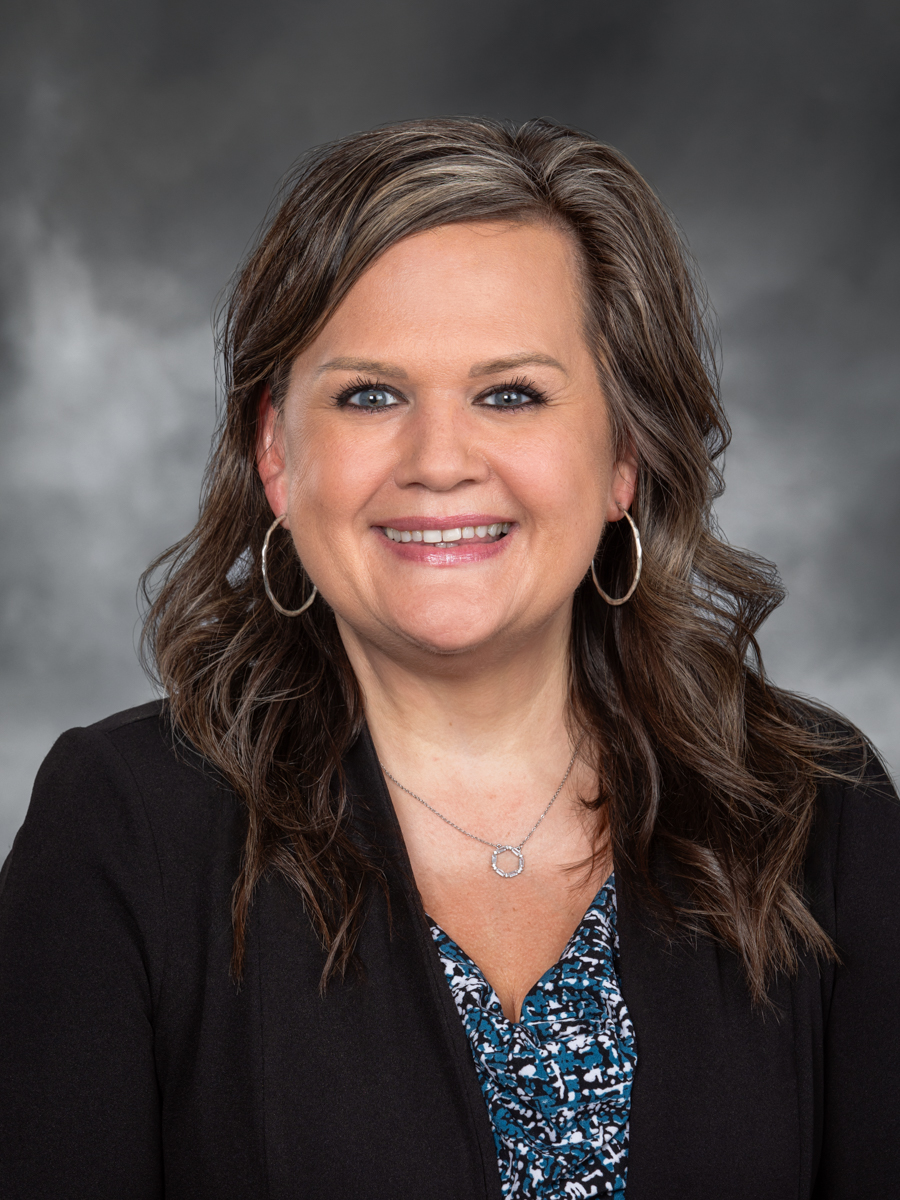
Rep. Tarra Simmons
Sponsored bills
Maddy summaryHB 1130 establishes a prioritization system for individuals with developmental disabilities seeking home and community-based services waivers in Washington State. It directs the Developmental Disabilities Administration to prioritize specific populations, such as those over age 45, individuals discharging from institutional settings, or those without a safe hospital discharge plan. The bill also mandates the administration to align its rules with this prioritization and to routinely collect and publicly report data on waiver enrollment, waitlists, and unfulfilled service requests. This aims to ensure that individuals identified as most in need receive timely access to critical support services.
Maddy summaryHB 1395 streamlines the background check process for home care workers, long-term care providers, and others working with vulnerable adults and children in Washington state. It prevents the Department of Social and Health Services (DSHS) from automatically disqualifying individuals for certain past criminal convictions, such as specific theft or assault charges, once a specified number of years have passed. However, DSHS or authorized entities can still consider these convictions during a "character, competence, and suitability review," and clients must be informed of an approved provider's background check results before services begin. The bill also allows some providers to work for up to 30 days while their review is pending, with client notification, and limits when new suitability reviews are required for previously cleared non-disqualifying issues.
Maddy summaryHB 1173 clarifies the wage payment requirements for "skilled journeypersons" working in facilities subject to specific workforce regulations. The bill mandates that these journeypersons must be paid at a rate at least commensurate with typical wages for their occupation in the local geographic area. This includes a minimum hourly rate set at the seventy-fifth percentile of occupational employment statistics for the relevant occupation and area. Additionally, workers in apprenticeable occupations who do not meet the definitions of registered apprentice or skilled journeyperson are to be considered skilled journeypersons for the purpose of their wage entitlement. The act will become effective on January 1, 2026.
Maddy summaryHouse Bill 1516 directs the Office of the Insurance Commissioner to conduct a study on insurance coverage options for permanently affordable homeownership units. The study's purpose is to explore ways to reduce costs related to condominium construction defect liability for homes sponsored by nonprofit organizations or government entities. It requires consultation with various stakeholders, including insurers, sponsoring organizations, and the construction industry. The Insurance Commissioner will submit a report to the legislature by December 31, 2026, including an analysis of risk pools and recommendations for new insurance mechanisms to lower these costs.
Maddy summaryHB 1217 aims to improve housing stability for tenants in Washington state, applying to those under the residential landlord-tenant act and the manufactured/mobile home landlord-tenant act. It limits combined rent and fee increases to no more than seven percent within any 12-month period after the initial year of a tenancy, though some exemptions may apply. The bill also requires landlords to provide notice for increases, places limits on various fees and deposits, and allows tenants to terminate their lease if an increase is unlawful. Additionally, it establishes a landlord resource center and authorizes the Attorney General to enforce its provisions, providing specific remedies for tenants in cases of violation.
Maddy summaryHouse Bill 1106 expands eligibility for property tax relief to more disabled military veterans in Washington state. It lowers the required combined service-connected disability rating from 80% to 40% or higher for veterans to qualify for property tax exemptions on their primary residence. This change allows a broader group of disabled veterans to receive a reduction in their annual property tax obligations, provided they meet other existing criteria related to residency, ownership, and income thresholds. The bill aims to recognize the sacrifices of veterans by making property tax relief more accessible.
Maddy summaryHouse Bill 1874 requires licensed cosmetologists, barbers, estheticians, and hair designers in Washington State to receive training on the care, styling, and treatment of textured hair. The bill addresses a gap in current training standards, which often do not fully cover diverse hair textures like curly, coiled, coarse, and thick hair. It aims to integrate this specialized knowledge into the required curriculum for these professionals. The goal is to ensure stylists have the skills and confidence to work with a broad range of hair types while upholding industry health and safety standards.
Maddy summaryHB 1628 establishes the Washington state fire service policy board to advise the state director of fire protection on matters related to the state fire marshal's office. This board, composed of representatives from various fire service organizations, will develop recommendations for agency budget requests and strategies to enhance fire service training and resources. The goal is to ensure the continued provision of comprehensive fire service training, fire prevention, investigations, and all-hazards response for Washington state.
Maddy summaryHouse Bill 1185 modifies the membership of the correctional industries advisory committee. It clarifies the committee will consist of 11 voting members, with nine appointed by the secretary and two by the governor. A key provision is that the two governor-appointed voting members must be individuals from underrepresented populations who have direct lived experience, though they cannot be currently incarcerated. This change ensures that the committee includes diverse perspectives from individuals directly impacted by the correctional system.