

Maddy summaryHB 1418 modifies the governing bodies of public transportation benefit areas (PTBAs) by adding two new voting members who are transit users. This increases the maximum number of voting members for single-county PTBAs to 11 and for multi-county PTBAs to 17. One new member must primarily rely on public transportation, while the other must represent a community-based organization and occasionally use transit. This aims to include the perspectives of transit riders in the governance of public transportation systems, and meetings must be accessible by transit to facilitate their participation.
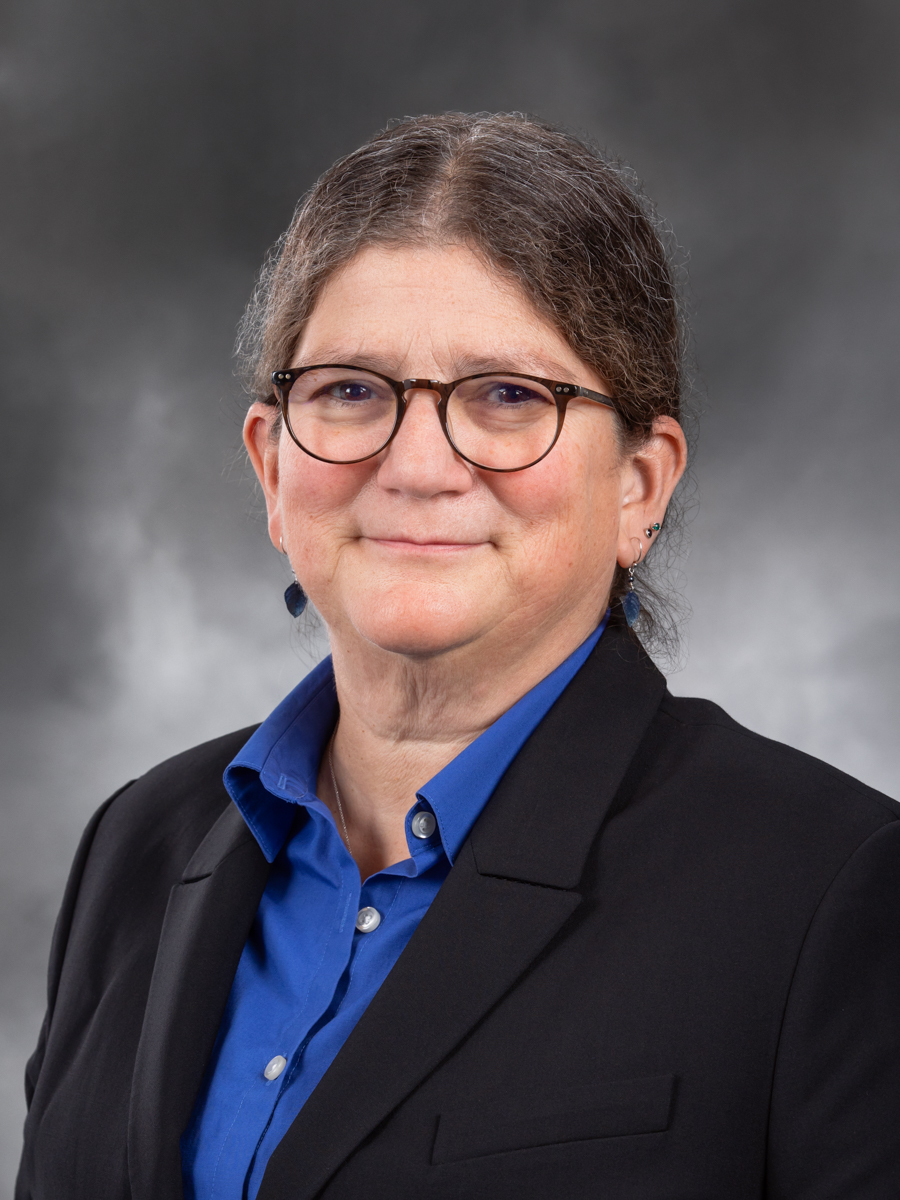
Rep. Lisa Parshley
Sponsored bills
Maddy summaryHouse Bill 1271 amends the criteria for deploying state fire service resources during emergencies in Washington. It expands the definition of "mobilization" to allow for the early deployment of resources when an emergency is *predicted* to exceed local capabilities, rather than only after local resources have already been overwhelmed. This change enables a more proactive response from fire departments, fire districts, and regional fire protection service authorities to potential large-scale incidents. The bill also clarifies that these mobilized resources cannot be used to assist law enforcement during civil protests or demonstrations, but can still provide medical aid and firefighting services.
Maddy summaryHB 1813 realigns the administration of behavioral health crisis services for Medicaid enrollees in Washington state. Beginning January 1, 2027, behavioral health administrative services organizations (BHASOs) will contract to administer these crisis services, taking over from managed care organizations. The bill requires a comprehensive funding analysis by January 1, 2026, to ensure BHASOs can adequately support all individuals needing behavioral health services, regardless of insurance status. It also mandates a transition plan for this shift and directs the development of a strategic plan for the future reprocurement of all medical assistance services, including stakeholder input.
Maddy summaryHB 1395 streamlines the background check process for home care workers, long-term care providers, and others working with vulnerable adults and children in Washington state. It prevents the Department of Social and Health Services (DSHS) from automatically disqualifying individuals for certain past criminal convictions, such as specific theft or assault charges, once a specified number of years have passed. However, DSHS or authorized entities can still consider these convictions during a "character, competence, and suitability review," and clients must be informed of an approved provider's background check results before services begin. The bill also allows some providers to work for up to 30 days while their review is pending, with client notification, and limits when new suitability reviews are required for previously cleared non-disqualifying issues.
Maddy summaryHB 1329 amends the Washington Clean Energy Transformation Act (CETA) concerning how certain wholesale power purchases are classified. The bill modifies the definition of a "coal-fired resource" by expanding the duration for specific limited-term wholesale electricity purchases that are exempt from this classification. Under the new provisions, electric utilities can make wholesale power purchases for up to three months, or up to six months for system sales used for seasonal resource adequacy, without these being counted as coal-fired resources under CETA. This aims to provide utilities with more flexibility in acquiring short-term power, provided these exemptions are not used to avoid CETA's overall restrictions on coal-fired energy.
Maddy summaryHouse Bill 1186 expands the situations in which hospitals and health care entities can dispense medications directly to patients. It allows practitioners in hospital emergency departments to prescribe and distribute limited amounts of prepackaged emergency medications to patients being discharged. This is permitted when community or outpatient pharmacy services are unavailable or inaccessible, or for specific treatments like human immunodeficiency virus postexposure prophylaxis. Hospitals must establish clear policies, including a list of approved medications, staff training, patient counseling, and generally limit supplies to a 48-hour maximum, with some exceptions. The bill also adjusts similar medication dispensing limits for other health care entities.
Maddy summaryHB 1757 modifies regulations for existing buildings in Washington state, aiming to streamline the process for adding residential units. It requires cities to allow up to 50% more housing density within an existing building's footprint in multifamily zones and prohibits new parking requirements for these additional units. The bill also limits local governments from imposing certain permitting, design, and energy code requirements on these conversions beyond what is generally applicable. Cities must adopt these changes by June 30, 2026, or the state requirements will automatically take effect.
Maddy summaryHouse Bill 1516 directs the Office of the Insurance Commissioner to conduct a study on insurance coverage options for permanently affordable homeownership units. The study's purpose is to explore ways to reduce costs related to condominium construction defect liability for homes sponsored by nonprofit organizations or government entities. It requires consultation with various stakeholders, including insurers, sponsoring organizations, and the construction industry. The Insurance Commissioner will submit a report to the legislature by December 31, 2026, including an analysis of risk pools and recommendations for new insurance mechanisms to lower these costs.
Maddy summaryHB 1217 aims to improve housing stability for tenants in Washington state, applying to those under the residential landlord-tenant act and the manufactured/mobile home landlord-tenant act. It limits combined rent and fee increases to no more than seven percent within any 12-month period after the initial year of a tenancy, though some exemptions may apply. The bill also requires landlords to provide notice for increases, places limits on various fees and deposits, and allows tenants to terminate their lease if an increase is unlawful. Additionally, it establishes a landlord resource center and authorizes the Attorney General to enforce its provisions, providing specific remedies for tenants in cases of violation.
Maddy summaryHouse Bill 1874 requires licensed cosmetologists, barbers, estheticians, and hair designers in Washington State to receive training on the care, styling, and treatment of textured hair. The bill addresses a gap in current training standards, which often do not fully cover diverse hair textures like curly, coiled, coarse, and thick hair. It aims to integrate this specialized knowledge into the required curriculum for these professionals. The goal is to ensure stylists have the skills and confidence to work with a broad range of hair types while upholding industry health and safety standards.