

Maddy summaryHB 1612 requires Washington's Office of the Superintendent of Public Instruction to subsidize exam registration and administration fees for Advanced Placement (AP), International Baccalaureate (IB), and Cambridge International exams taken by public high school students. This directly affects students in Washington state who participate in these college-level courses by reducing their financial barriers. The bill mandates annual reports tracking participation, credit awards, and academic performance, disaggregated by student demographics including gender, homelessness status, and language learning needs. A 2026 report will specifically analyze whether the fee subsidy changed exam pass rates and the demographic diversity of students enrolled in these programs.
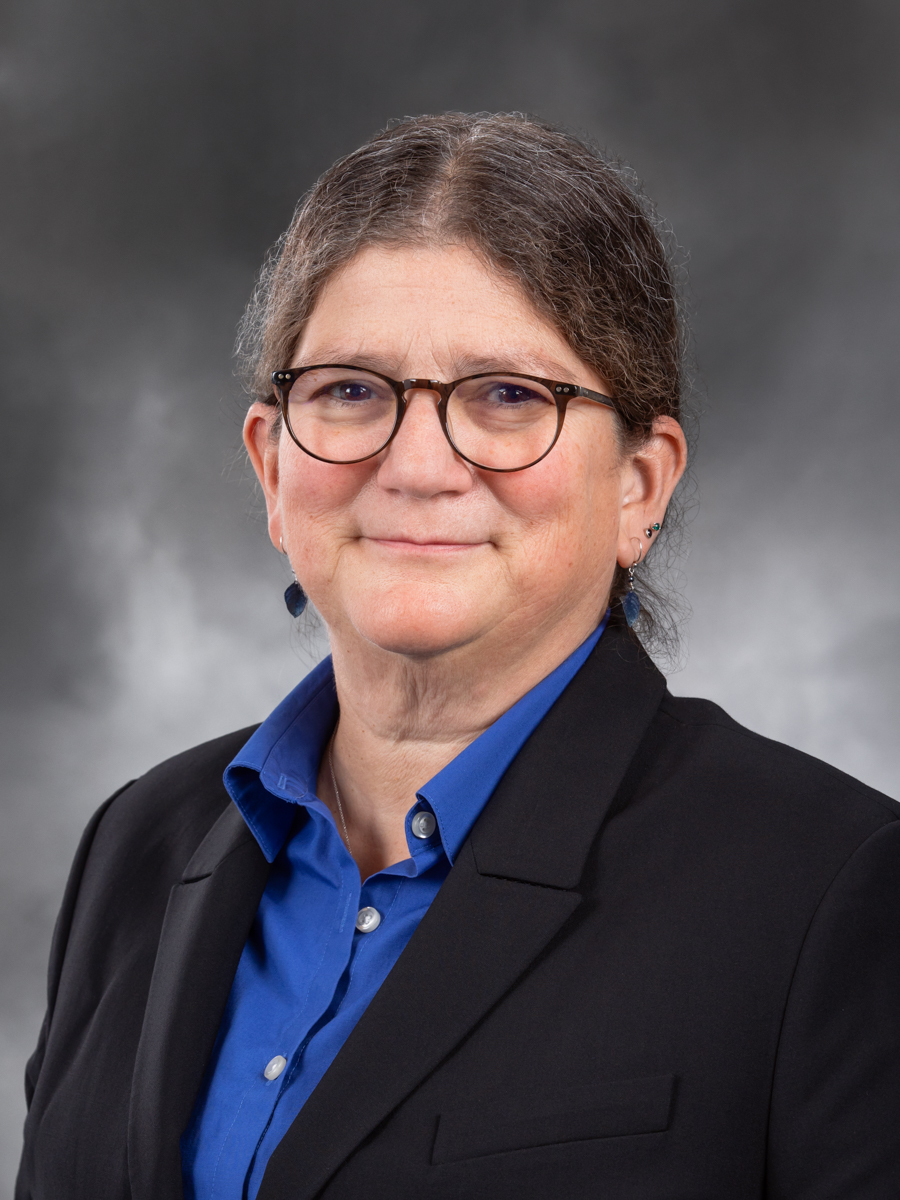
Rep. Lisa Parshley
Sponsored bills
Maddy summaryHB 1450 establishes a new state "transition to kindergarten" program in Washington for 4-year-olds who need additional preparation for kindergarten or live in areas with severe child care access shortages ("extreme child care access deserts"). It directs the Office of Superintendent of Public Instruction (OSPI) to create rules for public schools to operate the program, prioritizing regions with child care deserts and limiting approved sites to ensure equitable access. The program ensures participating children aren't counted toward basic education funding, requires schools to collaborate with local child care providers, and mandates enrollment rules including need-based screening and regional needs assessments. This policy aims to strengthen coordination between public schools and early learning systems while minimizing disruption to existing child care services.
Maddy summaryHB 1485 increases the maximum allowable annual increase for student services and activities fees at Washington state's public colleges and universities from 4% to 6%. This change applies to all institutions, allowing governing boards to raise these fees by up to 6% yearly (instead of 4%) if deemed reasonable by committees, to help cover rising costs for services like health care, counseling, recreation, clubs, and events. Community colleges have a separate rule tying fee increases to tuition growth, but the bill's main change is the higher 6% cap for all institutions. The bill aims to help schools maintain essential student services amid inflation without altering the existing fee approval process.
Maddy summaryHB 1734 creates a state grant program to fund capital improvements for facilities used in outdoor learning. It provides competitive grants to tribes, local governments, nonprofits, and others to build, renovate, or rehab facilities that expand access to outdoor education for public school students, particularly in underserved communities. Key provisions require projects to increase student capacity or remove participation barriers, mandate facility maintenance for a set period, and ensure funds are used solely for outdoor learning. The grants are intended to complement existing outdoor education programs by improving infrastructure, not operating costs, with funding requests to be submitted starting in 2027.
Maddy summaryHB 1388 establishes a mobile market program in Washington to expand access to fresh, healthy food for low-income households participating in the Women, Infants, and Children (WIC) and senior farmers market nutrition programs. The bill allows nonprofit mobile markets - operating in areas without farmers markets - to accept these nutrition benefits, directly supporting rural and food desert communities. Key provisions require mobile markets to be nonprofit, serve underserved areas, and obtain USDA approval via waiver to accept benefits. This policy change modernizes existing federal nutrition programs by extending access to mobile food services, benefiting both participants and local farmers.
Maddy summaryHB 1090 requires health benefit plans in Washington State (effective January 1, 2026) to cover a 12-month supply of contraceptive drugs at one time, rather than requiring multiple refills. This directly affects health insurers and enrollees, mandating that plans provide this coverage unless an enrollee or provider requests a smaller supply. Key provisions include allowing on-site dispensing at providers' offices (when available) and requiring plans to follow clinical guidelines for appropriate prescribing. The bill defines "contraceptive drugs" to include all FDA-approved pregnancy prevention medications, such as oral, transdermal, and intravaginal hormonal drugs.
Maddy summaryHB 1448 establishes statewide rules for local governments adopting ranked choice voting (RCV) in elections. It allows counties, cities, school districts, fire districts, and port districts to use RCV for local offices, requiring ballots to let voters rank candidates in order of preference (with at least five rankings per office) and setting clear counting rules for single-winner (instant runoff) and multi-winner (single transferable vote) contests. The bill mandates that single-winner RCV elections must first hold a traditional primary to narrow candidates to five, while multi-winner contests skip primaries. It also requires local governments to implement RCV within two years of adoption and directs the Secretary of State to create rules for ballot design and vote tabulation by May 2026.
Maddy summaryHB 1692 exempts specific data about American Indians, Alaska Natives, and Indian tribes from public records requests. It adds a new provision to Washington’s public records law (RCW 42.56) that protects information prepared by certain state agencies (listed in RCW 43.71B.020(1)(b)(i)) and local health jurisdictions. This directly affects tribal communities and agencies handling tribal-related data, as it prevents the public from accessing this information through standard public records requests. The bill does not change existing tribal rights or create new programs - it only modifies public records accessibility for designated tribal data.
Maddy summaryHB 2044 revises how unexcused student absences are addressed by school districts, affecting students and their parents. The bill eliminates the requirement for school districts to file truancy petitions before a child's fifth unexcused absence. Instead, after a fifth unexcused absence, districts are directed to enter into an attendance agreement with the parent or child (if age eight or above), either directly or through a community engagement board. Truancy petitions to juvenile court are now generally required only if an attendance agreement is not reached or not complied with, and typically not before the child's 15th unexcused absence in a school year.
Maddy summaryHB 1360 establishes a state advisory committee to advance quantum technology economic development, including members from the lieutenant governor's office, state agencies, higher education, aerospace companies, quantum hardware/software firms, and the Pacific Northwest National Laboratory. The committee must produce annual reports to the legislature and a workforce development plan by June 2026, with all activities expiring June 30, 2027. It also creates a state grant program to help organizations secure federal quantum technology funding, requiring applicants to provide matching funds at a 5:1 ratio (state grant to applicant contribution). The bill directly affects state agencies, Washington-based quantum technology companies, and research institutions collaborating on federal grant applications.