

Maddy summaryWashington State's HB 2525 establishes a heritage orchard program managed by Washington State University to conserve rare and historical apple varieties. The program requires WSU to maintain a registry of orchards meeting specific criteria (either containing at least five trees over 74 years old or one tree of a rare/lost variety) and to track documented rare apple types. This initiative directly affects Washington orchard owners with heritage trees or rare varieties, aiming to preserve agricultural history. The program becomes effective only if dedicated funding is secured by June 30, 2026, as specified in the bill.
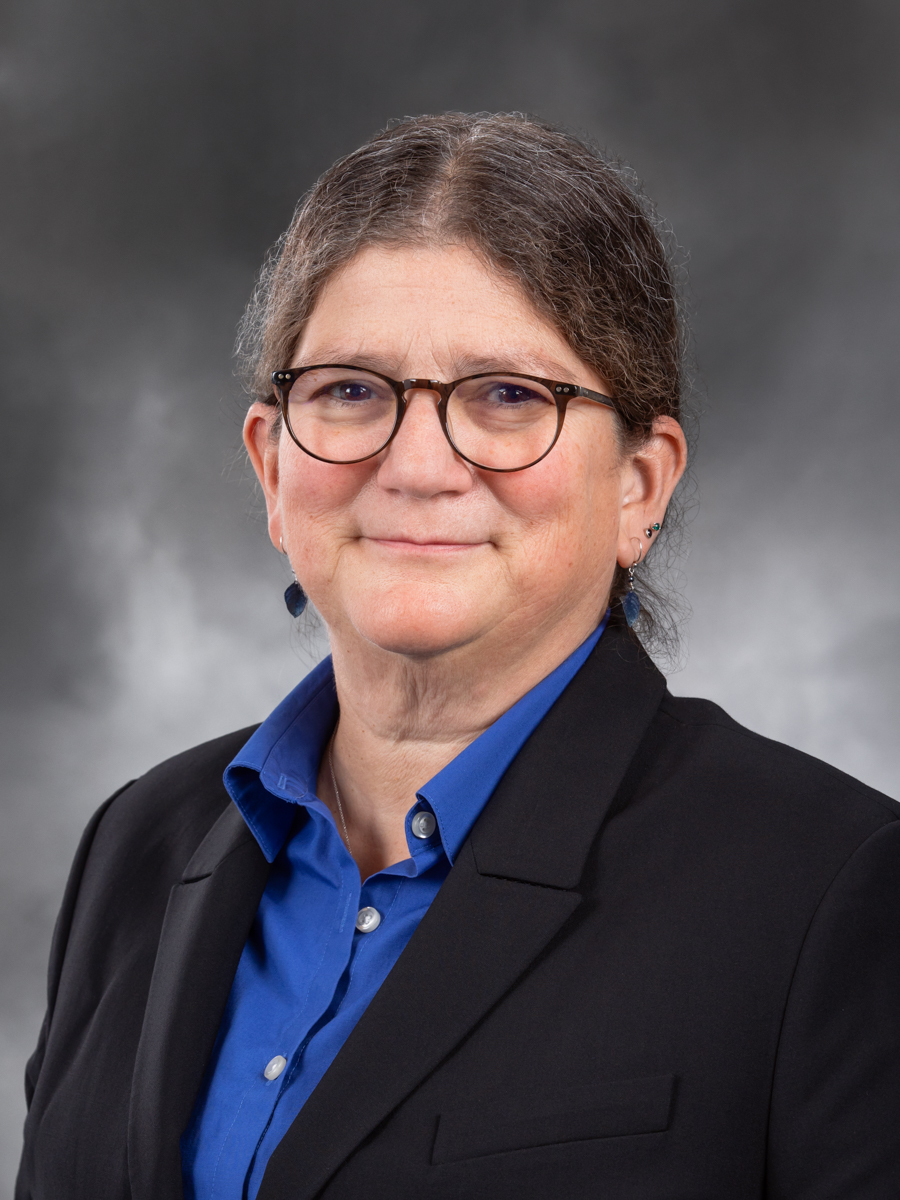
Rep. Lisa Parshley
Sponsored bills
Maddy summaryHB 2165 makes it a gross misdemeanor to intentionally create, possess, or display fake law enforcement items (like badges, vehicle decals, or insignia) that falsely identify someone as a sworn peace officer or reserve officer, or to misrepresent ordinary items as police property. It directly affects individuals or businesses selling or using fake police gear, such as costume shops or people posing as officers. Key exceptions include items clearly marked as honorary roles, historical displays, or protected artistic/satirical works (like parodies or educational materials). The law does not prohibit legitimate uses like historical reenactments or news coverage, and it specifies that the fake item must be displayed in a way that would reasonably mislead others.
Maddy summaryHB 2495 allows cities with populations over 700,000 to immediately remove vehicles obstructing streetcar operations or endangering public safety without waiting periods. It amends Washington state law to specify that vehicles blocking streetcar right-of-way must be removed "immediately" under Section 46.55.010(14)(a)(v), directly affecting property owners (both residential and private) and tow truck operators. Key provisions require proper authorization for removals (signed by officials or property owners), mandate recording of impound details, and prohibit tow operators from acting as property owner agents. The bill focuses on streamlining streetcar safety enforcement while adding liability warnings for property owners authorizing removals.
Maddy summaryHB 2426 allows pollution control appeal hearings to use alternative board configurations, directly affecting businesses or individuals appealing environmental permits. The bill permits the hearings board to hear cases through an administrative appeals judge (meeting existing qualifications), a land use board member, or a single qualified member - only with all parties' consent and unanimous board approval. It requires these alternatives to prioritize efficient use of administrative resources. The change aims to streamline processing of appeals without altering the board’s core authority or decision-making standards.
Maddy summaryHB 2420 increases the dollar limit for state and local government contracts using simplified "small works roster" procedures, which allow direct contracting without full competitive bidding for minor construction projects. It phases in higher limits starting at $350,000 (through 2026) and rising to $650,000 by 2030. The bill also requires state agencies and local governments to prioritize contracting with small, minority-owned, women-owned, and veteran-owned businesses when the project cost is under $150,000, while documenting annual efforts to meet this goal. These changes apply to construction, renovation, or repair work on real property valued under the new thresholds.
Maddy summaryHB 2521 establishes a centralized, automated firearms background check system in Washington State, requiring all firearm dealers to use this system for background checks before sales or transfers. The system must check against multiple databases (including state crime records, court systems, and health databases) and provide dealers with instant results via a web portal or phone, including unique identifiers for each check. It sets a $18 maximum fee for background checks (replacing the existing fee) and creates an appeal process for applicants denied due to errors. The bill directly affects firearm dealers (who must use the system) and firearm purchasers (whose backgrounds are checked), with the system mandated to be fully operational by July 1, 2025.
Maddy summaryHB 2429 establishes a Children and Youth Behavioral Health Work Group to address barriers in accessing care for children, youth, and young adults in Washington State. The work group, composed of diverse stakeholders including providers, families, youth representatives, tribal leaders, and agency officials, will monitor existing programs, improve coordination between education and health systems, and recommend strategies to expand access to services - particularly for young children (prenatal to age 5) and underserved communities. Key provisions include advising on implementing a statewide strategic plan, removing systemic barriers, and promoting equal insurance coverage for behavioral health compared to physical health. The bill directly affects children and families seeking mental health support by aiming to create a more integrated, equitable system.
Maddy summaryHB 1570 grants collective bargaining rights to student employees (those enrolled in academic or certificate programs) at Central Washington University, Eastern Washington University, Western Washington University, and The Evergreen State College. It defines specific bargaining topics, including tuition remission and waivers, while excluding issues like academic calendars, tuition amounts, student admissions, and termination based on academic performance. Compensation agreements must align with legislative budget limits, though institutions may offer additional pay beyond these limits. The bill applies only to employees not already covered by other collective bargaining laws at these institutions.
Maddy summaryHB 2238 requires Washington's Department of Agriculture to develop a statewide food security strategy by December 2027, aimed at ending hunger, reducing diet-related health disparities, and strengthening agricultural supply chains. The strategy must define food security through three lenses - access, agricultural viability, and supply chain resilience - and establish metrics to track regulatory costs (like fuel and labor), food access gaps, and agricultural competitiveness. It mandates collaboration with state agencies, tribes, BIPOC communities, small farmers, and food policy organizations to identify policy barriers, coordinate disaster response, and address root causes of hunger. The bill expires July 1, 2028, and requires the department to report on agricultural regulatory competitiveness every four years starting in 2030.
Maddy summaryHouse Bill 1980 allows certain private employer transportation services to use designated public transportation facilities, directly affecting employers who provide employee shuttles and the authorities managing these routes. It permits private employer transportation service vehicles, defined as marked, regularly scheduled employee shuttles with capacity for eight or more passengers, to use reserved limited access facilities (like HOV lanes) if their use does not interfere with public transit efficiency. In counties with over two million people, local authorities may also issue fee-for-use permits for these private services to use specific transit-only lanes that allow access to abutting businesses, with approval from public transportation providers. These permits require adherence to operational performance standards to ensure public transit efficiency, and generated revenues cover administrative costs and lane maintenance.