

Maddy summaryHB 1721 allows qualified zero-emission vehicle (ZEV) manufacturers - those with no existing dealership agreements - to sell directly to consumers in Washington, provided they establish at least two service centers and offer mobile repair services in the state. It supports traditional auto dealers by creating a grant program for EV technician training and charging infrastructure, with dealers selling at least 50% of their vehicles as ZEVs qualifying for additional funding. The bill requires ZEV manufacturers to honor warranties at designated service centers and mandates annual reports starting in 2026 to evaluate the program’s effectiveness, with a final review scheduled for 2034. These changes aim to expand ZEV access while balancing dealer transitions and consumer protections.
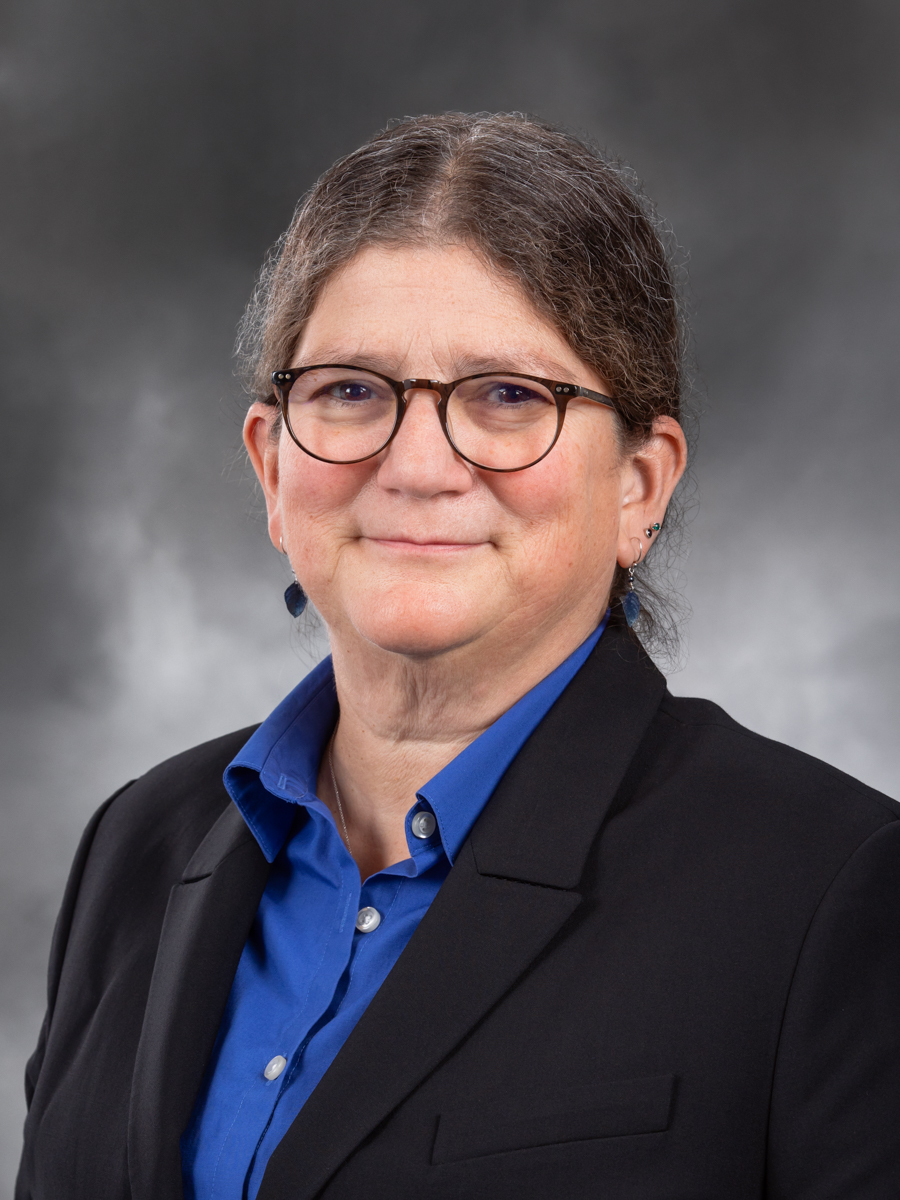
Rep. Lisa Parshley
Sponsored bills
Maddy summaryHB 1660 requires Washington’s child welfare department to submit annual reports starting in 2025, focusing on racial disparities in child welfare cases. The reports must include detailed, race-disaggregated data for the past five years on case types (like abuse/neglect intakes), placements, reunification rates, and prevention services. They also need to document the department’s efforts to address these disparities and propose policy or funding changes. This law directly affects the state’s child welfare agency and aims to inform legislative action on racial equity in the system.
Maddy summaryHB 1677 requires all public universities in Washington with student health centers to offer medication abortion services by the 2026-27 academic year, either directly or via telehealth referrals. For universities without student health centers, the bill mandates providing confidential referrals to abortion providers, telehealth support, and campus spaces for virtual appointments. It also requires all institutions to maintain a website with clear reproductive health resources, including academic accommodation options for pregnancy-related needs. The bill directly affects approximately 196,000 college students facing significant travel and wait-time barriers to abortion care, aiming to make services as accessible as possible within campus health systems.
Maddy summaryHB 1625 creates a grant program to provide funding for back country search and rescue (SAR) organizations and volunteers in Washington state. The program directly supports groups that respond to emergencies in remote, rugged terrain, where specialized skills and equipment are required to locate and rescue individuals. The bill amends state law to establish this grant mechanism, enabling these organizations to maintain operations and services. This policy change offers concrete financial resources to enhance SAR capabilities in backcountry areas.
Maddy summaryThis bill establishes a state office to coordinate the development and deployment of alternative jet fuels and renewable hydrogen in Washington. It creates a competitive grant program to fund infrastructure like rail spurs, fuel handling equipment, and blending facilities - requiring public access to funded infrastructure and prohibiting land acquisition funding. The bill also mandates environmental reviews for related clean energy projects, assessing impacts on tribal resources, environmental justice communities, and wildlife habitats. These provisions directly affect state agencies (including Ecology and Transportation), private fuel developers, and tribes through new coordination requirements and funding mechanisms for hard-to-decarbonize sectors.
Maddy summaryHB 1948 requires Washington state port districts managing major airport operations (defined as those with significant capital projects over $8 million) to create environmental justice plans by 2026. These plans must include community engagement strategies, measurable goals to reduce health disparities, and methods to involve overburdened communities in decision-making. For major projects, ports must obtain University of Washington assessments of environmental impacts on vulnerable populations and publicly share mitigation plans. The law mandates accessible community input through language support, childcare, and outreach to ensure equitable participation. It applies specifically to ports with airport-related activities under RCW 53.54.010.
Maddy summaryHB 1908 permanently maintains four state-operated residential facilities for developmentally disabled individuals - Lakeland Village (Spokane), Rainier School (Pierce), Yakima Valley School (Yakima), and Fircrest School (King) - by removing a provision that would have allowed Yakima Valley School to close under certain conditions. The bill repeals the closure trigger for Yakima Valley School and amends state law to ensure these facilities remain open to accept new residents, directly addressing a shortage of affordable care options. It specifically targets underutilized, well-regarded facilities to provide immediate relief to families with no other viable, cost-effective care alternatives. The bill does not create new facilities but expands capacity at existing, operational centers.
Maddy summaryHB 1805 proposes a local 0.01% sales and use tax in Washington counties to fund additional services for children and families. The tax would generate revenue specifically for mental health support, early intervention programs, child care, school-based health services, shelter, rental assistance, and transportation. Counties could implement this tax via resolution or ordinance, with funds restricted to the listed services that address gaps in current Medicaid and behavioral health programs. The bill aims to support children and families early to improve well-being and reduce long-term needs like youth violence and substance use.
Maddy summaryHB 1654 clarifies which local entities are responsible for enforcing the International Fire Code in unincorporated county areas. It allows counties to handle enforcement, but gives cities, towns, or fire protection districts (with over $10 million in annual revenue) the option to take over enforcement duties - including fire cause investigations and building inspections - after providing six months' notice to the county. These entities may also charge fees to cover enforcement costs, and must offer equivalent jobs to displaced county fire marshals. The bill does not change existing fire safety standards but adjusts administrative responsibility between local governments.
Maddy summaryHB 1653 creates a state program to reimburse registered tow truck operators for releasing vehicles owned by indigent citizens who cannot afford towing costs. It applies to vehicles impounded on private property or by law enforcement (excluding those impounded after an arrest), requiring applicants to self-certify as indigent and owners, and operators to verify eligibility before submitting forms to the Department of Licensing. Reimbursement uses existing funds from towing service payments, with priority given to applications based on submission order if funds are limited. The bill requires annual reporting on program usage and prohibits tow operators from claiming liens on released vehicles.