

Maddy summaryHB 1739 regulates self-service checkout stations in Washington state grocery stores over 15,000 square feet. It requires stores to offer at least one manual checkout station for every customer when self-service is available, limit self-service transactions to 15 items (with visible signage), and ensure one employee monitors no more than two self-service stations at a time while relieved from other duties. Stores must also include self-service checkout in workplace hazard analysis for safety programs. The law exempts discount warehouses selling primarily bulk items and imposes daily civil penalties of $100 (capped at $10,000) for violations.
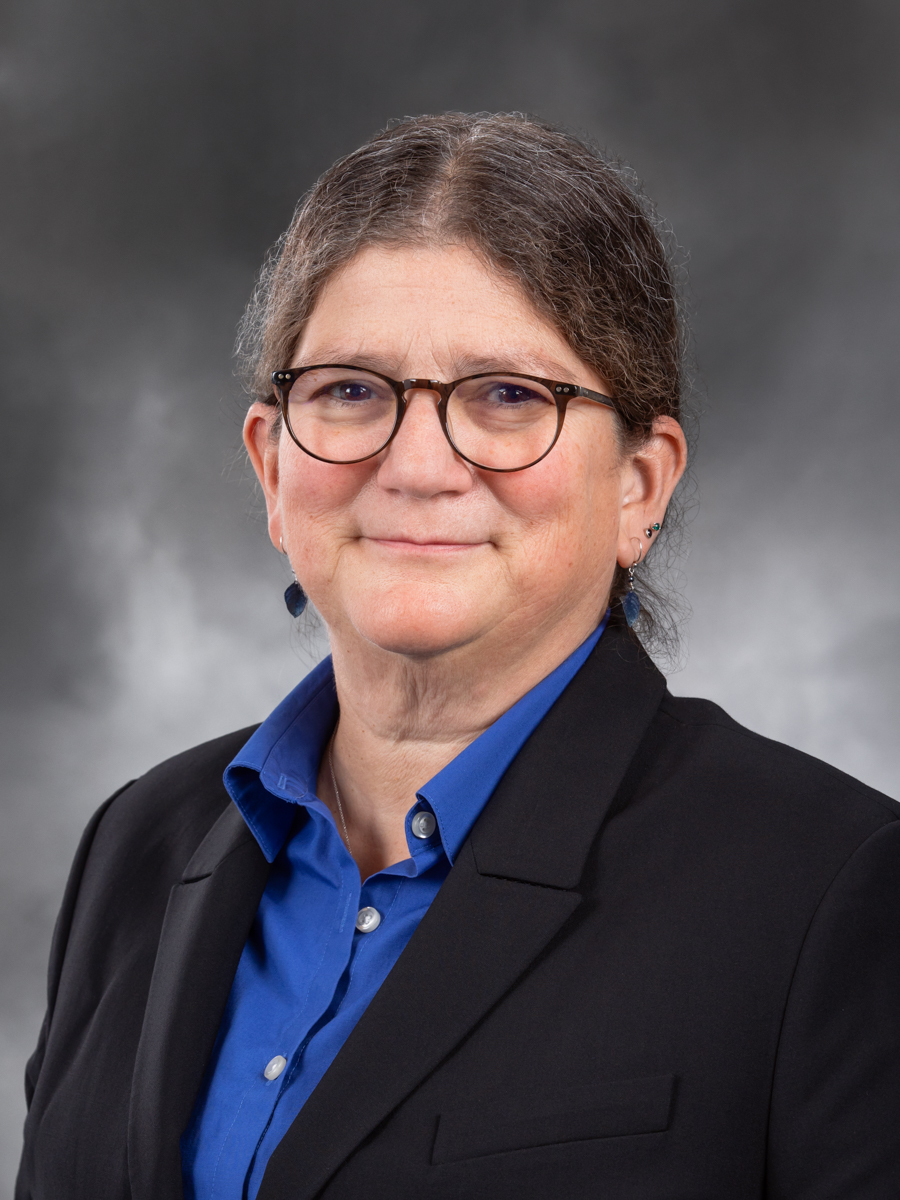
Rep. Lisa Parshley
Sponsored bills
Maddy summaryHB 1076 establishes a structured process for Washington State’s health technology assessment program, directly affecting state health programs (like Medicaid) that decide which medical technologies qualify for coverage. The bill requires the state to systematically review health technologies prioritized based on Medicare coverage, expert guidelines, safety concerns, high costs, or significant usage variations, with up to eight reviews annually. Key provisions mandate evidence-based assessments of safety, efficacy, and cost-effectiveness - considering patient input and unique impacts on populations (e.g., age, disability) - and require decisions within 180 days of submission. The program must align with federal Medicare decisions unless new evidence supports a different conclusion, ensuring transparency through public comment and written explanations for denied requests.
Maddy summaryHB 1262 would rename Washington's Governor's Interagency Council on Health Disparities to the "Council for Health Justice and Equity" and update its membership requirements to include representatives from state commissions (such as the Commission on African American Affairs and the Governor's Office of Indian Affairs) and key departments (including Health, Social and Health Services, and Commerce). The bill specifies that the council must include six public members reflecting diversity in race, ethnicity, and gender, while maintaining its role in coordinating state efforts to address health disparities. This is a procedural update to existing law, not a new policy or funding measure, and it was referred to committee but did not advance in 2025.
Maddy summaryHB 1775 bans the production and manufacturing of fur products made from farmed fur in Washington unless the fur is sourced from farms certified under a program meeting animal welfare and environmental standards. It directly affects fur product manufacturers, sellers, and fur farmers, while exempting religious or tribal cultural use, fishing gear, and products made from used fur. The law requires certification for fur sourcing but allows existing fur farmers to apply for transition grants to shift to other agricultural activities by 2028. The bill takes effect January 1, 2026, with penalties for violations including misdemeanor charges.
Maddy summaryHB 1690 requires Washington's Department of Ecology and Department of Health to jointly conduct a comprehensive assessment of the state's water and sewer systems by June 2027. The assessment will identify critical infrastructure gaps, analyze upgrade costs, and evaluate funding options to address issues like aging systems, septic maintenance challenges, and water quality concerns affecting public health. It directly impacts local governments, water utilities, and residents in communities facing infrastructure limitations, particularly in urban growth areas and small towns. The bill mandates gathering data from cities, counties, health boards, and utilities to inform recommendations for protecting environmental resources and supporting economic development. This assessment aims to provide a data-driven foundation for future investments in water and sewer infrastructure.
Maddy summaryHB 1616 expands the definition of "unlawful transit conduct" to explicitly include Washington State Ferries. This means that behaviors previously prohibited on other public transit, such as smoking, littering, playing loud music without headphones, or consuming open alcoholic beverages, will now also apply to state ferries. The bill amends existing law by adding "ferry boat" to the definition of a transit vehicle and "the Washington state ferries" to the definition of a transit authority. Individuals found in violation of these rules on state ferries could be guilty of a misdemeanor.
Maddy summaryHB 1285 establishes financial education instruction as a graduation requirement for public high school students in Washington state. Beginning in the 2027-28 school year, all high schools must provide instruction in the state financial education learning standards. Starting with the graduating class of 2031, students will be required to meet these standards to graduate. The bill also tasks the Office of the Superintendent of Public Instruction with making instructional materials available and outlines monitoring responsibilities for the State Board of Education.
Maddy summaryHB 1274 retroactively removes certain juvenile convictions from sentencing calculations for people incarcerated under sentences imposed before July 23, 2023. It allows eligible individuals - currently incarcerated with a release date on or after July 1, 2026 - to petition for resentencing if they have served specific percentages of their sentence (e.g., 80% by 2026, 60% by 2026, 40% by 2027, or any time after 2028). The bill requires courts to grant resentencing unless the petitioner has serious disciplinary violations, lacks rehabilitation evidence, or poses a high recidivism risk. This applies specifically to those impacted by prior juvenile convictions that were counted in adult sentencing under outdated rules, disproportionately affecting Black, Indigenous, and People of Color.
Maddy summaryHB 1580 changes how Washington state funds career-focused high school courses in alternative learning programs. It requires school districts to calculate funding separately for each student in these programs based on the standard per-student allocation for grades 9-12 general education, excluding small high school enhancements. The bill also adds extra state funding specifically for vocational courses within these alternative programs. This directly affects school districts offering career and technical education in non-traditional learning settings, ensuring they receive dedicated funding aligned with vocational program needs.
Maddy summaryHB 1689 requires Washington state to adopt California's existing emission standards for ocean-going vessels while docked at ports, directly affecting ports like Tacoma and Seattle and the surrounding communities disproportionately impacted by diesel pollution. The bill mandates the Department of Ecology to implement these standards, which require ships to use shore power instead of idling engines, reducing diesel particulate matter and greenhouse gases. Compliance would begin no earlier than January 1, 2028, with potential extensions of up to three years. This policy change aims to improve air quality in port communities, aligning with federal clean air act options and state funding for shore power infrastructure.