

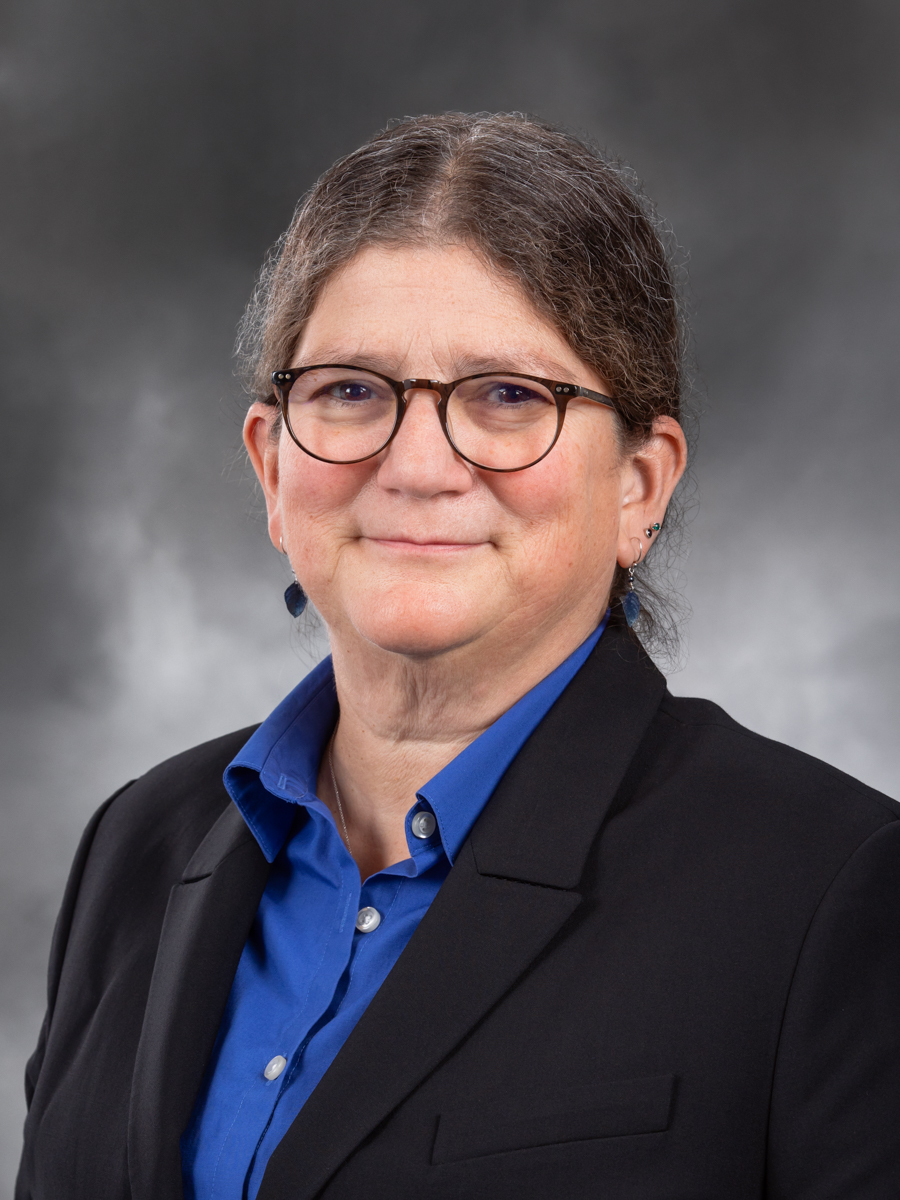
Photo of Lisa Parshley
D Washington House · District 22 On the 2026 ballot

Rep. Lisa Parshley

Compare
Total votes
1,201
all sessions
Attendance
100%
of floor votes
Higher than 88% of chamber peers
With party
99%
of cast votes
Near the chamber average
Bipartisan score
0%
crosses aisle rarely
Near the chamber average
Sponsored
657
bills & resolutions
Higher than 98% of chamber peers
Committees
4
assignments
657 bills and resolutions

Sponsored bills

Total
657
Primary
42
Co-sponsor
615
This page
657
matching current filters
Co-sponsor HB 2016
In committee · Washington House · Co-sponsor
Concerning an additive capital budget for state matching funds and federal expenditure authority for broadband.

Maddy summaryThis bill allocates $280 million in state funds to match federal broadband grant programs under the Infrastructure Investment and Jobs Act. It enables Washington's statewide broadband office to administer grants for community broadband projects, prioritizing affordability, digital navigation services, and open-access networks. The state funds are contingent on receiving federal grant money and will support projects through 2027. The legislation also updates state budget procedures to streamline matching funds for federal broadband initiatives.

In committee Jan 12, 2026 1 co-sponsor
Co-sponsor HB 1579
In committee · Washington House · Co-sponsor
Providing adequate and predictable student transportation.

Maddy summaryHB 1579 requires Washington school districts to report detailed transportation data for specific student groups, including those with special education needs, experiencing homelessness, in foster care, or attending skill centers. It mandates the state superintendent to develop a new funding model by 2028 that addresses unique challenges in rural and urban districts, and establishes a $400 flat rate per homeless student for transportation costs. The bill directly affects school districts and the students in these four priority groups by changing how transportation funding is calculated and reported. Districts must submit quarterly reports on mileage, ridership, and costs, with funds for homeless students limited to their specific transportation needs.

In committee Jan 12, 2026 1 co-sponsor
Co-sponsor HB 1949
In committee · Washington House · Co-sponsor
Exempting certain scholarly communications from disclosure under the public records act.

Maddy summaryHB 1949 exempts certain scholarly communications from Washington's public records law to protect academic confidentiality. It directly affects faculty, researchers, and students at public universities by shielding: (1) peer review materials for manuscripts or research proposals, (2) human subject identities when confidentiality was promised in consent forms, and (3) unpublished research data, code, or draft manuscripts until they are published, patented, or publicly shared. The bill ensures these materials remain confidential during the academic review and development process, aligning with existing federal research standards. This change applies only to records where confidentiality was explicitly promised or required by academic practices.

In committee Jan 12, 2026 1 co-sponsor
Co-sponsor HB 1956
In committee · Washington House · Co-sponsor
Concerning public defense recruitment and retention.

Maddy summaryHB 1956 creates two programs to address Washington's public defense staffing shortage. It mandates a training program for new public defense mitigation specialists and paralegals by June 2027, covering legal standards, ethics, and networking, with outreach to justice-impacted individuals. It also establishes a paralegal support pool to assist contracted attorneys - prioritizing solo practitioners and small firms - with a goal of 10 full-time paralegals by June 2027, requiring similar outreach in recruitment. The bill takes effect July 1, 2026, focusing on concrete recruitment and retention mechanisms for public defense staff.

In committee Jan 12, 2026 1 co-sponsor
Co-sponsor HB 1512
In committee · Washington House · Co-sponsor
Improving traffic safety.

Maddy summaryHB 1512 establishes a grant program to help low-income drivers address nonmoving traffic violations (like registration or insurance issues) through nonpunitive solutions such as repair vouchers, helmet programs, or community education, rather than fines. It directly affects low-income road users - defined as those on public assistance, WIC, Medicaid, or earning 125% of the federal poverty level - by providing alternatives to financial penalties. The bill also requires police to report detailed stop data (including race, age, and reason for stops) starting in 2026 and clarifies that stops for nonmoving violations can only be secondary to primary offenses like speeding or impaired driving. These provisions aim to reduce racial disparities in traffic enforcement while improving road safety compliance.

In committee Jan 12, 2026 1 co-sponsor
Co-sponsor HB 1667
In committee · Washington House · Co-sponsor
Concerning comprehensive cancer education programs.

Maddy summaryHB 1667 requires Washington's state department to contract with a qualified training entity to deliver age-appropriate cancer education programs to students in grades 6-12. The programs must cover cancer prevention, risk reduction, and emotional resources, be delivered in 50-75 minute sessions aligned with existing health curricula, and expand access to Spanish-speaking students and geographically diverse areas. School districts may voluntarily choose to offer the programs and select which grades participate. The bill mandates the department to report on program delivery, participation, and language accessibility by December 2027, with funds intended to supplement - never replace - existing offerings.

In committee Jan 12, 2026 1 co-sponsor
Co-sponsor HB 2074
In committee · Washington House · Co-sponsor
Prohibiting the offer or acceptance of anything of value to influence the judgment or conduct of an elector in voting for or against any person or ballot measure.

Maddy summaryHB 2074 makes it a class C felony to offer or accept anything of value (such as cash, gifts, or favors) to influence how someone votes for candidates or ballot measures. It directly affects individuals and entities - including businesses, political committees, and organizations - that engage in vote-buying or quid pro quo arrangements. The law prohibits offering incentives in exchange for votes, promising rewards for not voting, or using tactics that could reasonably be interpreted as influencing election outcomes. Key factors courts will consider include how close the action occurred to an election and whether the offer was promotional or informational. This bill strengthens existing election integrity laws by criminalizing vote-buying and expanding liability to cover entities.

In committee Jan 12, 2026 1 co-sponsor
Co-sponsor HB 1826
In committee · Washington House · Co-sponsor
Establishing a right to repair for mobility equipment for persons with physical disabilities.

Maddy summaryHB 1826 requires mobility equipment manufacturers to provide independent repair providers and device owners with necessary parts, documentation, software, and tools at fair prices. It directly affects Washington residents who use mobility devices like power wheelchairs, scooters, and manual wheelchairs with power assists, addressing current repair delays averaging 4-7 weeks. The bill mandates that manufacturers make these resources available without unreasonable restrictions or costs, ensuring more repair options beyond manufacturer-authorized services. This aims to reduce delays that impact users' safety, employment, education, and daily living.

In committee Jan 12, 2026 1 co-sponsor
Co-sponsor HB 1623
In committee · Washington House · Co-sponsor
Prohibiting deductions for credit card transaction processing fees from employee tips.

Maddy summaryHB 1623 prohibits employers from deducting credit card processing fees from employee tips. It requires that when customers pay tips via credit card, employees receive the full amount indicated on the credit card slip, without any reduction for transaction fees charged by the credit card company. This law directly affects tipped workers in Washington, such as servers and bartenders, and applies to all employers accepting credit card tips. The bill amends state law to ensure tips paid by credit card are paid in full to employees, eliminating employer deductions for processing costs.

In committee Jan 12, 2026 1 co-sponsor
Co-sponsor HB 1380
In committee · Washington House · Co-sponsor
Allowing objectively reasonable regulation of the utilization of public property.

Maddy summaryHB 1380 establishes standards for local governments to regulate public space use, specifically addressing ordinances that restrict sitting, lying, sleeping, or keeping warm and dry in public areas for people experiencing homelessness. It requires such laws to be "objectively reasonable" by considering public safety, availability of shelter, impact on homeless individuals, and proportionality - prohibiting excessive measures. The bill allows individuals to challenge unreasonable ordinances in court through injunctive or declaratory relief, while protecting local governments from monetary lawsuits. It applies to all cities, towns, and code cities in Washington, aiming to balance public safety with housing access during the homelessness crisis.

In committee Jan 12, 2026 1 co-sponsor
Showing 391 to 400 of 657 bills
Previous 1 … 39 40 41 … 66 Next