

Maddy summaryThis House Resolution (HR 4666) formally recognizes Mia Hamant, a University of Washington women's soccer goalkeeper who passed away after battling stage 4 cancer. It commends her courage and spirit during her time with the team and her impact on the Husky community. The resolution also congratulates the 2025 UW women's soccer team for winning the Big Ten regular season and tournament titles, reaching the NCAA Elite Eight, and setting program records. As a commemorative resolution, it has no legal effect and serves only to honor Hamant and the team's achievements.
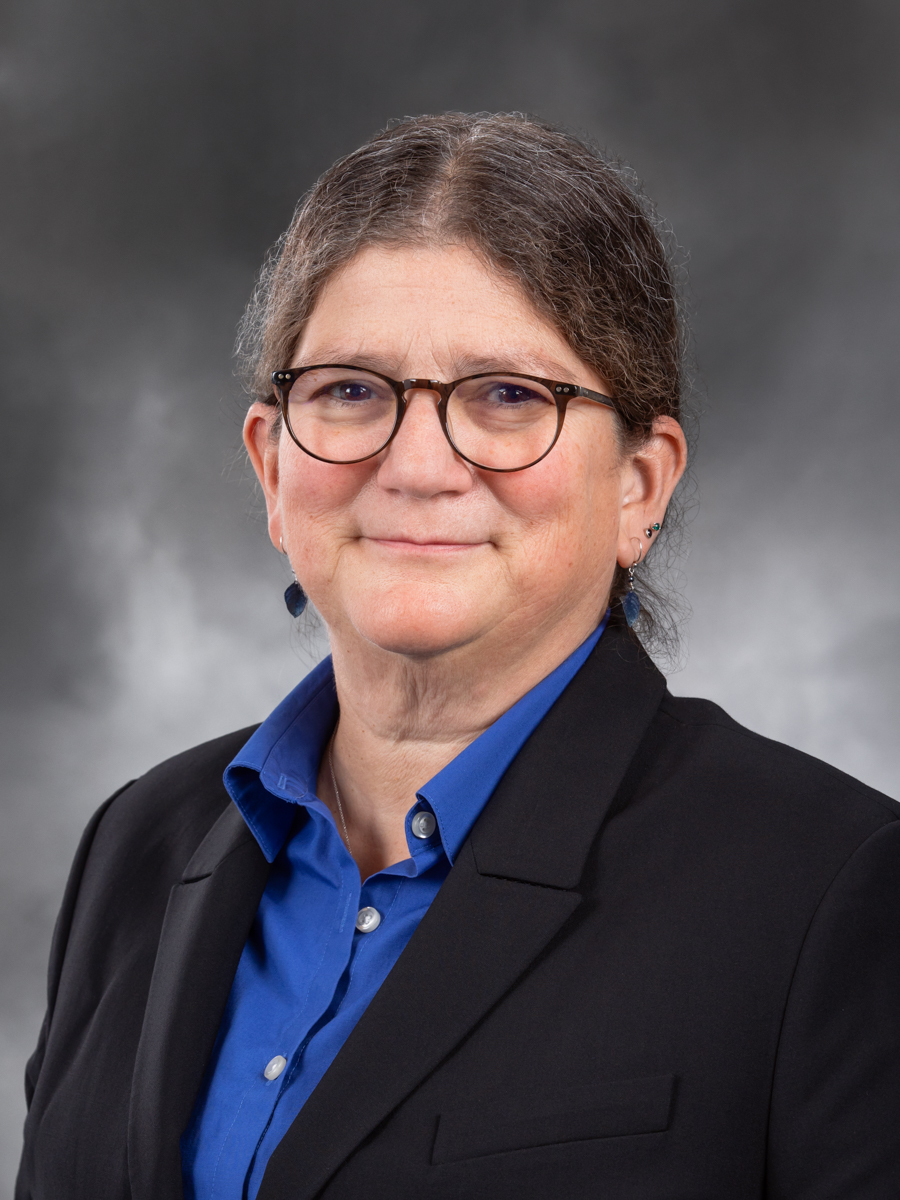
Rep. Lisa Parshley
Sponsored bills
Maddy summaryHB 2237 requires the Washington State Fire Marshal's Office (SFMO) to set deputy state fire marshal salaries competitive with local fire departments, using a specific salary survey. It mandates the Office of Financial Management to compare compensation (including base pay, premiums, education, and longevity pay) against seven major local agencies like Seattle and Spokane fire departments, updating this comparison every four years starting September 2026. The bill also directs the State Fire Service Policy Board to examine whether the SFMO should operate independently from the state patrol, reporting by December 2026. This aims to address staffing shortages caused by lower SFMO pay compared to local departments.
Maddy summaryHB 2103 allows Washington cities, towns, and public utilities to contract for the *potential power generation capacity* (not just actual output) of renewable or nonemitting electric projects, such as wind or solar. It removes previous restrictions limiting contracts to specific "qualified alternative energy resources" and expands eligibility to align with current clean energy standards under RCW 19.405.020. Key provisions require public entities to pay for this capacity regardless of project completion or output issues, and payments cannot be reduced based on project performance. This bill aims to accelerate clean energy investment by giving local governments greater flexibility to secure future power needs.
Maddy summaryHB 2148 creates Washington's "pay it forward" program to help graduate students cover tuition and fees at public universities. The program provides funding for up to four years of study (or 125% of a program's length), minus any existing state financial aid, for students at University of Washington, Washington State University, regional universities (Western, Central, Eastern), or The Evergreen State College. Participants repay the program after graduation by contributing a percentage of their income (3.5% for regional universities/state college, 5% for state universities) for up to 15 years, with payments tied to the credits taken during their studies. Funding comes from state appropriations, participant contributions, and private donations, held in a dedicated trust fund managed by the Student Achievement Council.
Maddy summaryHB 2576 amends Washington State's address confidentiality program to help victims of domestic violence, sexual assault, stalking, trafficking, and harassment (including election officials, criminal justice workers, and healthcare providers facing threats) keep their real home addresses private. It allows eligible individuals to use a substitute address designated by the Secretary of State instead of their actual address for all official purposes. State agencies must then accept this substitute address for correspondence and public records, preventing disclosure of the participant’s actual location to potential assailants. The bill updates definitions and eligibility criteria to expand protections while ensuring participants can safely access services like property ownership without public address disclosure.
Maddy summaryHB 2561 amends Washington's retirement law to include standby pay as part of the "basic salary" used to calculate retirement benefits for law enforcement officers and firefighters enrolled in Plan 2. Specifically, it requires that compensation received while in "standby status" (paid time when not working but required to be available for immediate duty) be counted toward retirement benefits, alongside regular wages. This change directly affects current and future Plan 2 members in these professions, ensuring their retirement income reflects all earned compensation during standby periods. The bill explicitly excludes vacation pay, sick leave, and severance from this calculation. It does not alter existing retirement benefit formulas but clarifies which compensation types are included in the base salary calculation.
Maddy summaryThis bill proposes the creation of a state-owned public bank in Washington to increase public financing capacity for infrastructure and other public initiatives without raising taxes or increasing state debt. The legislation would establish a new depository bank that holds state and local government funds, allowing the state to leverage deposits to provide loans for projects like transportation and community development. Modeled after the Bank of North Dakota, the public bank would operate under state control to generate profits for the people of Washington while offering lower-cost financing for public needs. The bill amends existing state statutes to authorize the bank's formation and outlines how the institution would manage deposits and loans to support economic development and reduce reliance on bond financing.
Maddy summaryHB 2560 creates a new state-funded model to support residential pediatric recovery centers that provide nonmedical care for infants born with prenatal substance exposure (e.g., to opioids or methamphetamines) and their families. The bill requires the state to seek federal approval for direct payments to these centers by July 2027 and to provide interim grants using opioid settlement funds until then. It aims to replace lengthy hospital stays in neonatal intensive care units with a family-centered approach that promotes bonding and helps keep infants with parents in recovery. The new funding will cover services like caregiver coaching, bonding activities, and transition planning to support safe home reunification.
Maddy summaryThis is a ceremonial House resolution (not a policy bill) introduced on January 19, 2026, by multiple Washington State Representatives. It formally recognizes Dr. Martin Luther King Jr.'s life, legacy of nonviolent activism, and contributions to civil rights, including his role in the Civil Rights Act of 1964 and Voting Rights Act of 1965. The resolution expresses the House's commitment to upholding Dr. King's ideals of equality, justice, and opportunity for all. As a symbolic gesture, it does not create new laws, allocate funds, or affect any specific individuals or groups.
Maddy summaryHB 2265 requires landlords in Washington state to allow tenants to install portable air conditioners or evaporative coolers (like window units or floor models) without restriction, unless specific safety or structural concerns apply. Landlords may only prohibit such devices if installation violates building codes, damages property, exceeds electrical capacity, or conflicts with window egress requirements - prioritizing tenants with disabilities requiring cooling. The bill mandates landlords provide written lease notices detailing tenant rights and restrictions, and shields landlords from liability for tenant-installed device issues. This directly affects all residential tenants in Washington, particularly those in buildings without permanent AC during extreme heat events.