

Maddy summaryHB 1699 (Defending equity in interscholastic sports) requires Washington public school districts to verify a student’s biological sex through a healthcare provider’s statement (based on reproductive anatomy, genetics, or testosterone levels) before allowing biologically male students to participate in female-identified sports. It permits schools to prohibit biologically male students from competing in sports with separate male/female classifications, while mandating equal resources (equipment, facilities, coaching, etc.) for all gender-segregated teams. The bill amends existing laws (RCW 28A.600.200 and 28A.640.020) to align with these provisions and requires the superintendent to develop guidelines eliminating sex discrimination in school activities. It directly affects public school students, athletic programs, and district policies governing interscholastic sports participation.
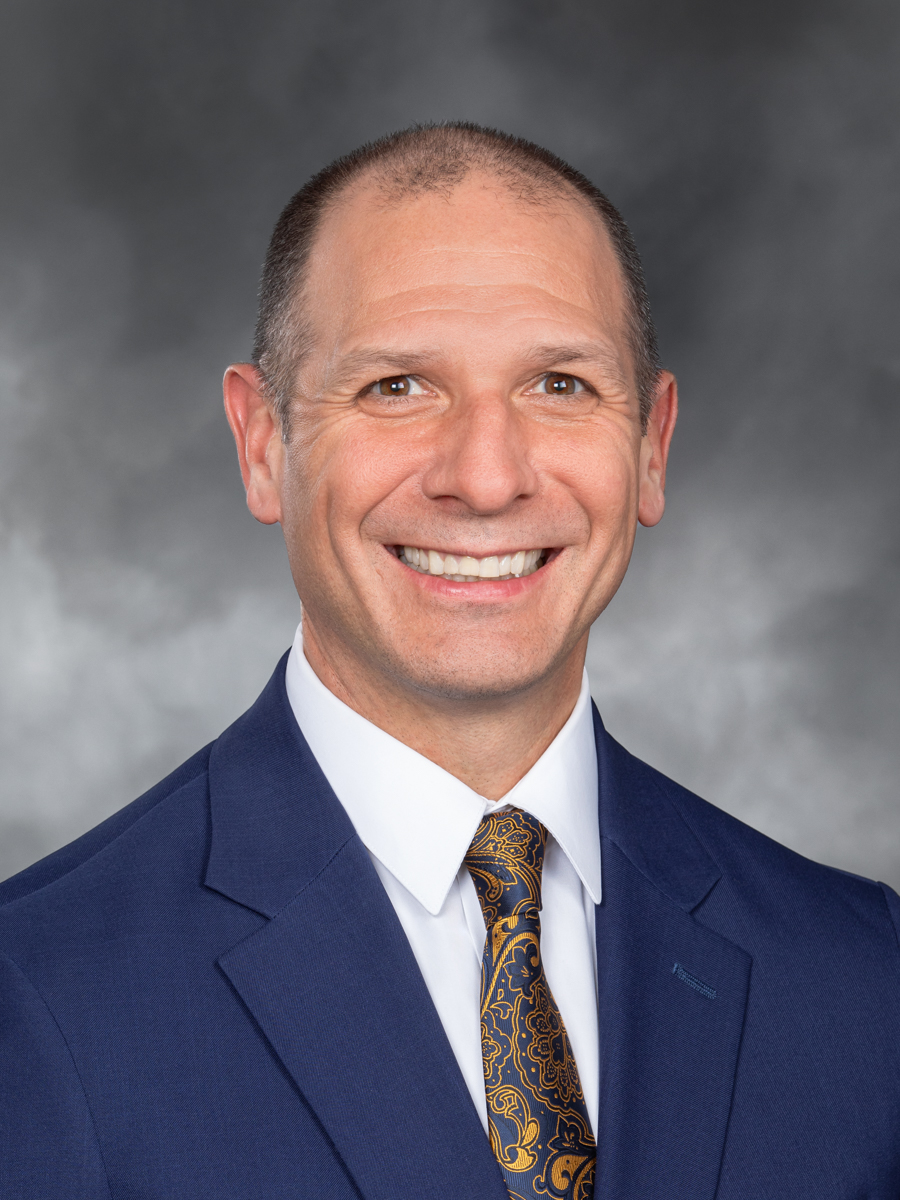
Rep. Peter Abbarno
Sponsored bills
Maddy summaryHB 1872 expands exemptions from certain firearm restrictions for specific groups in Washington State. It exempts current and retired peace officers, military personnel, veterans, shooting sports instructors, and concealed pistol license holders from background check waiting periods after they’ve already passed background checks. The bill also creates new exemptions for these groups regarding restrictions on "excess capacity magazines" and "assault weapons" under existing law. These changes directly affect the named groups by reducing regulatory barriers for firearm access and use while maintaining existing background checks. The bill does not change the definition of "assault weapon" but clarifies exemptions for authorized individuals under the new provisions.
Maddy summaryHB 1016 creates a 20% tax credit for Washington employers hiring qualified veterans or spouses of active-duty military members, up to $3,000 per employee annually. To qualify, employees must work full-time (35+ hours/week) for two consecutive quarters, and employers must claim credits electronically. The credit is capped at $5 million total per fiscal year across both this bill and a related provision, with credits expiring for tax years after 2036. This directly affects employers in Washington who hire eligible military-affiliated workers, aiming to incentivize veteran/military family employment through tax relief.
Maddy summaryHB 1559 updates Washington state law to authorize tolls on the existing and replacement Interstate 5 bridges crossing the Columbia River between Washington and Oregon, while explicitly excluding the Washington portion of Interstate 205 from tolling. It clarifies that toll revenue from these bridges must be spent only on designated transportation projects under state law. The bill repeals outdated provisions related to previous agreements about the Columbia River crossing project and the I-5 bridge replacement, streamlining the legal framework for toll collection on this specific corridor. This affects drivers using the I-5 bridges and ensures toll funds are directed to eligible transportation uses.
Maddy summaryHB 1025 allows Washington employees with long-term care insurance purchased before November 1, 2027, to apply for an exemption from the long-term services and supports trust program premium. This exemption is permanent, meaning these employees will no longer be eligible for coverage under the program. The bill extends the application window for exemptions to December 31, 2028, and requires employees to notify employers of their exemption. Employers must stop deducting premiums after notification and refund any premiums deducted after that point.
Maddy summaryHB 1026 allows a spouse receiving long-term care benefits under Washington's program to transfer some or all of their available benefits to their partner. This directly affects married couples where one spouse qualifies for benefits but the other spouse needs care but doesn't yet meet eligibility requirements (or has exhausted their own benefits). The bill requires the receiving spouse to meet functional care needs criteria and specifies that transferring benefits reduces the sender's available benefits. It makes no changes to existing eligibility rules but creates a new pathway for spousal benefit sharing within the current program structure.
Maddy summaryHouse Bill 1359 establishes a task force to comprehensively review Washington state laws related to criminal insanity and competency to stand trial. This task force will include members from various state agencies, courts, legal professions, advocacy groups, and individuals with direct experience in the forensic mental health system. Its purpose is to identify barriers in current laws, suggest changes to promote patient-centered language and reduce stigma, and recommend policy updates that encourage effective treatment and safe hospital discharges. The task force is required to report its findings and recommendations to the governor and legislature by December 1, 2026. Additionally, the bill directs the reorganization and removal of specific sections within chapter 10.77 RCW.
Maddy summaryHB 1670 increases public transparency regarding sewage spills in Washington state, directly affecting the Department of Ecology, wastewater operators, and the public who rely on clean water. By July 1, 2026, it mandates the Department of Ecology to create a public-facing website. This website will display notices of reported sewage spills, including details such as the estimated volume, treatment level, location, and the date and time of the incident. The Department must update the site with final spill information and design it to be accessible for people with limited English proficiency.
Maddy summaryHouse Bill 1990 authorizes electrical, gas, and water companies in Washington state to use a special financing method called securitization for certain costs. This method allows companies to issue "rate recovery bonds" to cover expenses incurred from declared disasters or emergencies, such as severe weather or pandemics, and for specific energy or water conservation measures. The aim is to potentially lower overall costs for utility customers by spreading these large, unexpected expenses over a longer period. The state's Utilities and Transportation Commission must approve this financing through a "financing order" before it can be implemented.
Maddy summaryHouse Bill 1039 clarifies the authority for cities and tribal governments in Washington State to mutually agree to contract for urban governmental services. This allows cities to extend services to tribal lands that have urban development, even if those lands are located beyond the city's designated urban growth boundary. The bill ensures that such agreements comply with the state's Growth Management Act, facilitating coordinated planning between these governmental entities.