

Maddy summaryHB 1535 prohibits dental insurers from restricting patient choice or limiting care based on network agreements, requiring dentists to make treatment decisions with patients rather than insurers. It mandates that at least 85% of dental insurance premiums be spent directly on patient care, not administrative costs, and gives patients the right to request independent reviews for denied claims. The bill directly affects dental patients (ensuring access to chosen providers and fair coverage), dentists (protecting their clinical autonomy), and dental insurers (requiring compliance with transparency and spending rules). These changes aim to create a fairer system by aligning dental insurance protections with medical insurance standards and reducing out-of-pocket costs for Washington residents.
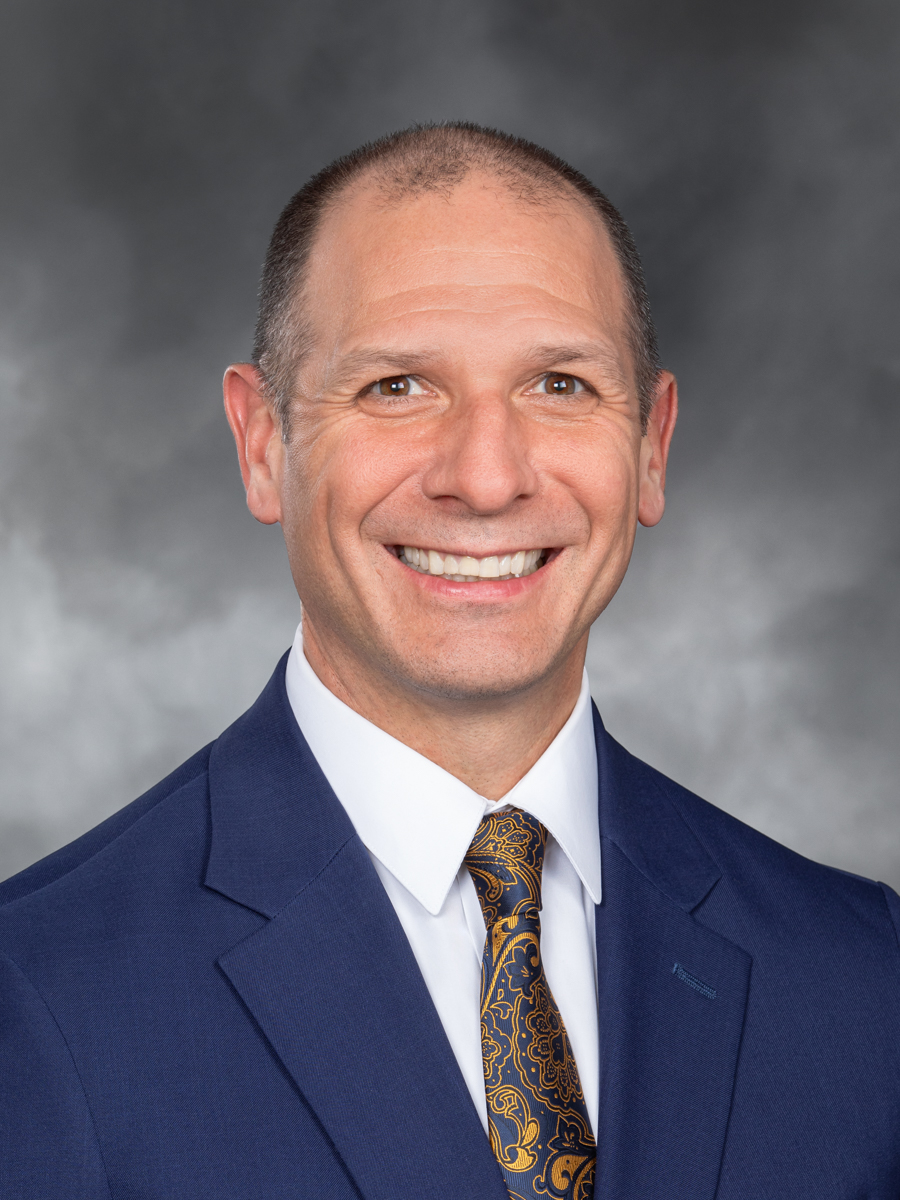
Rep. Peter Abbarno
Sponsored bills
Maddy summaryHB 1001 creates a competitive grant program administered by the Washington Department of Commerce to fund fire protection capital projects (like building or upgrading fire stations) in rural counties. It directly affects rural counties (defined as those with fewer than 100 people per square mile or under 225 square miles) and their local governments. Key provisions include requiring matching funds from applicants, capping grants at $2 million per jurisdiction per biennium, prioritizing projects based on fire safety ratings, community health/safety impact, and project readiness, and mandating annual reports to the legislature on grant usage. The bill does not fund projects in non-rural areas or cover general operational costs.
Maddy summaryHB 1324 redirects revenues from Washington's Climate Commitment Act (CCA) auction system to fund major state transportation projects, including the I-5 Columbia River bridge replacement and the US 395 North Spokane corridor. The bill amends existing law to require that CCA auction proceeds - previously restricted from road projects - be allocated specifically to highway and bridge infrastructure, rather than solely to climate or environmental programs. Key provisions mandate that funds support projects improving freight movement (like the Gateway freight project) and reducing congestion, which the bill states contributes to lower greenhouse gas emissions. This reallocation changes how CCA revenue is spent but does not alter the underlying auction system or funding amounts.
Maddy summaryHB 1797 requires Washington's Department of Children, Youth, and Families (DCYF) to cooperate with all law enforcement officers during criminal investigations, including responding to requests to search facilities like child care centers. The bill mandates this cooperation as defined under state law, specifically covering investigations into criminal activity. It directly affects DCYF staff and law enforcement agencies by establishing a clear obligation to assist during searches of institutions regulated under RCW 13.40.020. This is a procedural policy change focused on interagency coordination, not new funding or penalties.
Maddy summaryHB 1869 prohibits Washington state funds from covering capital costs - such as construction, transit vehicle purchases, or major equipment - for transit agencies created under the laws of neighboring states (e.g., Oregon or Idaho). It directly affects regional transit agencies operating across state lines, restricting state funding for capital projects but not ongoing operational expenses. The law, effective July 1, 2025, ensures Washington taxpayers’ money cannot subsidize infrastructure built by out-of-state transit entities.
Maddy summaryHCR 4403 is a concurrent resolution proposing to rename the "Joel Pritchard State Library" to the "Joel Pritchard Building." This change applies to a state office building at 415 15th Avenue Southwest in Olympia, which has functioned as legislative offices for over 20 years (not a library) and causes visitor confusion. The resolution cites the legislature's authority under RCW 43.34.090 to rename capitol campus buildings and aims to align the name with the building's current use. It does not alter policy or affect residents; it is solely a procedural naming update.
Maddy summaryHB 1853 requires Washington school districts to designate all public outdoor recreational spaces (like playgrounds and fields) as "green community schoolyards" available for community use outside school hours. It mandates the state superintendent to create a model shared-use agreement policy covering scheduling, costs, liability, equity, and fee structures to facilitate community access. School districts adopting this model policy become eligible for adjusted state funding under the school construction program. The bill directly affects school districts, community groups, and residents - especially those in underserved areas - by expanding access to outdoor recreation spaces without new land acquisition. It aims to improve physical activity access, community cohesion, and climate resilience through existing school properties.
Maddy summaryHB 1719 creates new permit categories for liquor events under Washington State law. It allows manufacturers, distributors, and trade associations to serve or donate alcohol at specific events like trade conventions, international trade fairs, and educational tastings - without violating existing liquor regulations - provided the alcohol is purchased from licensed retailers and taxed. Bed-and-breakfasts can also serve wine or beer to guests, and educational institutions can host supervised tasting sessions for students in culinary or beverage programs. These permits require board approval, payment of applicable taxes, and adherence to specific operational rules.
Maddy summaryHB 1055 directs a study to evaluate whether creating an independent Washington Office of Transparency Ombuds would improve public record access. The study will compare Washington’s public records laws with other states (including Pennsylvania’s system), assess potential benefits like reduced litigation costs and easier access, and recommend duties for such an office. The findings must be reported to the legislature by December 2026, but the bill itself does not create the office or change existing laws.
Maddy summaryHB 1564 creates a 100% tax credit for Washington employers that provide child care assistance to employees, directly affecting eligible businesses. The credit covers 100% of costs for two types of assistance: (1) employer-paid portions of employee wages used for child care expenses (like tuition), and (2) costs for in-house child care facilities. Employers can claim the credit against business and occupation taxes (Chapter 82.04 RCW) or public utility taxes (Chapter 82.16 RCW), but not both for the same costs. The credit is available from January 1, 2026, through December 31, 2037, with a final expiration date of January 1, 2038.