

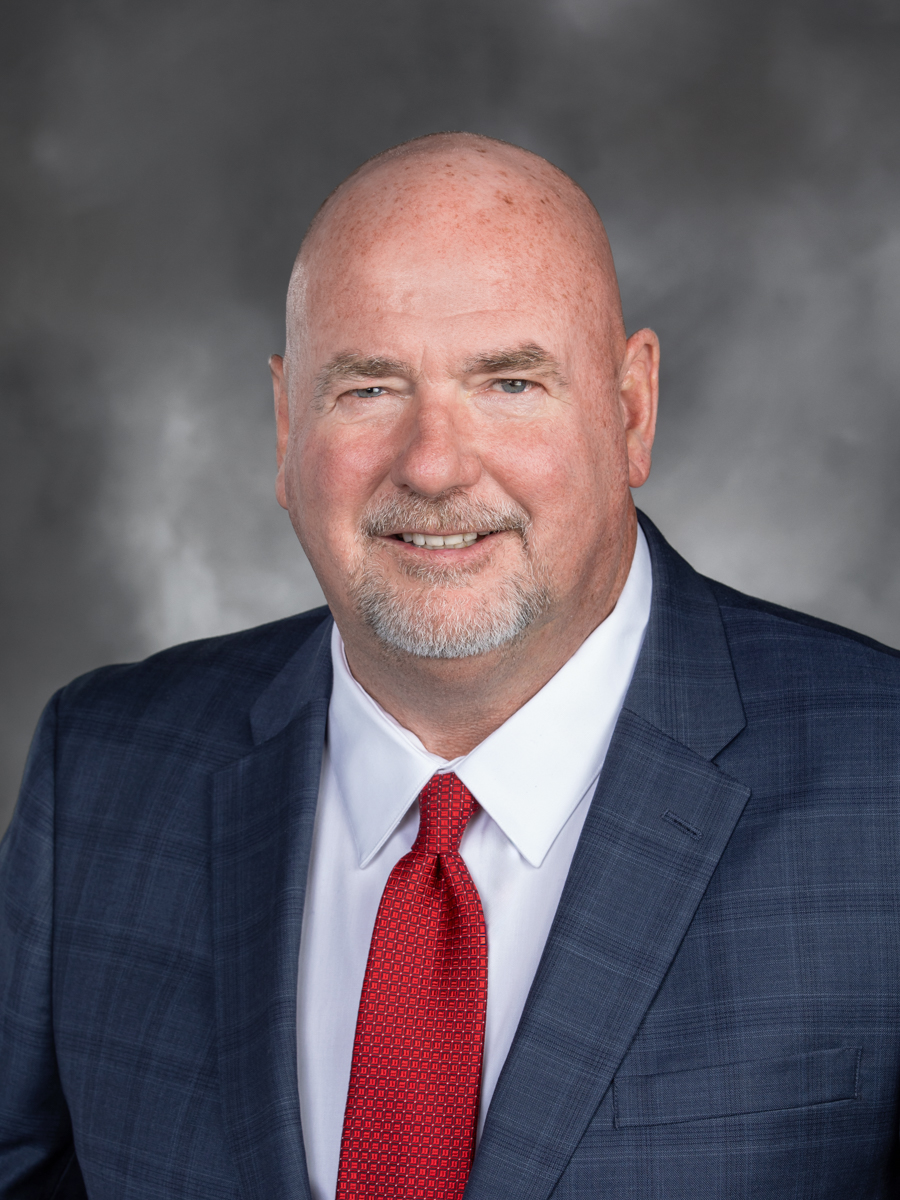
Photo of Dave Stuebe
R Washington House · District 17 On the 2026 ballot

Rep. Dave Stuebe

Compare
Total votes
1,201
all sessions
Attendance
96%
52 missed
Lower than 86% of chamber peers
With party
93%
of cast votes
Lower than 86% of chamber peers
Bipartisan score
4%
crosses aisle rarely
Higher than 84% of chamber peers
Sponsored
95
bills & resolutions
Near the chamber average
Committees
4
assignments
95 bills and resolutions

Sponsored bills

Total
95
Primary
8
Co-sponsor
87
This page
95
matching current filters
Co-sponsor HB 2036
In committee · Washington House · Co-sponsor
Concerning persons convicted of violent offenses with a firearm.

Maddy summaryHB 2036 prohibits individuals convicted of violent offenses involving a firearm from earning early release credits under Washington's sentencing laws. It directly affects people serving sentences for violent crimes where a firearm was used or involved, as defined by existing law. The bill amends RCW 9.94A.729 to explicitly deny all "good time credits or earned release time" for sentences tied to such offenses. This change modifies current early release eligibility rules, ensuring offenders convicted of firearm-related violent crimes cannot reduce their sentences through earned credits. The policy focuses on restricting sentence reductions for specific high-risk offenses, not altering general sentencing guidelines.

In committee Jan 12, 2026 1 co-sponsor
Co-sponsor HB 1559
In committee · Washington House · Co-sponsor
Concerning tolling on Interstate 5 bridges spanning the Columbia river.

Maddy summaryHB 1559 updates Washington state law to authorize tolls on the existing and replacement Interstate 5 bridges crossing the Columbia River between Washington and Oregon, while explicitly excluding the Washington portion of Interstate 205 from tolling. It clarifies that toll revenue from these bridges must be spent only on designated transportation projects under state law. The bill repeals outdated provisions related to previous agreements about the Columbia River crossing project and the I-5 bridge replacement, streamlining the legal framework for toll collection on this specific corridor. This affects drivers using the I-5 bridges and ensures toll funds are directed to eligible transportation uses.

In committee Jan 12, 2026 1 co-sponsor
Co-sponsor HJR 4206
In committee · Washington House · Co-sponsor
Amending the Constitution to require a two-thirds majority vote of the legislature to raise taxes.

Maddy summaryHJR 4206 proposes amending Washington's Constitution to require a two-thirds majority vote in both the House and Senate to raise taxes. It defines "raises taxes" broadly as any legislative action increasing state tax revenue deposited into any fund or account, regardless of where the funds go. The amendment would prevent tax increases from passing with a simple majority, requiring broader legislative consensus. It also maintains the existing process allowing tax increases to be referred to voters via referendum. This bill directly affects how the legislature passes tax-related measures.

In committee Jan 12, 2026 1 co-sponsor
Co-sponsor HB 2054
In committee · Washington House · Co-sponsor
Limiting the number of full-time equivalent employees in higher education.

Maddy summaryHB 2054 limits staffing at Washington's community and technical colleges by requiring that no college employs more than one full-time equivalent employee for every six full-time equivalent enrolled students. This rule applies directly to all community and technical colleges across the state, calculated as an annual average. The bill mandates that colleges maintain this 1:6 employee-to-student ratio as part of their operational standards. It does not change tuition, academic programs, or other core functions, but directly affects how colleges manage their workforce based on enrollment numbers.

In committee Jan 12, 2026 1 co-sponsor
Co-sponsor HB 2056
In committee · Washington House · Co-sponsor
Reestablishing a state expenditure limit.

Maddy summaryHB 2056 reestablishes a state spending cap for Washington's general fund and related funds, limiting annual expenditures to the previous year's cap adjusted for inflation and population growth. The bill creates a committee (including the state treasurer and legislative committee chairs) to calculate the annual spending limit using a new "fiscal growth factor" based on consumer price index changes and population shifts. It also requires lowering the spending cap if funds are shifted out of the general fund to other accounts or sources after January 2025. The law applies directly to state budgeting decisions and aims to constrain overall state spending growth.

In committee Jan 12, 2026 1 co-sponsor
Co-sponsor HB 1804
In committee · Washington House · Co-sponsor
Improving accessibility of community solar projects in Washington state.

Maddy summaryHB 1804 amends Washington state law to make community solar projects more accessible, particularly for low-income households and smaller projects. It clarifies definitions (like "community solar company" and "project participant"), sets a maximum system size of 1,000 kilowatts, and requires projects to have at least two subscribers or one low-income service provider. Key provisions include reserving $50 million in incentives for projects under 199 kilowatts and adding labor standards - such as prevailing wages and apprenticeship requirements - for larger projects (199-999 kW). The bill directly affects community solar administrators, low-income service providers, and solar construction workers, while ensuring electric utilities can interconnect these projects.

In committee Jan 12, 2026 1 co-sponsor
Co-sponsor HB 2060
In committee · Washington House · Co-sponsor
Prohibiting elected officials and their spouses from holding employment or any beneficial interest in private entities.

Maddy summaryHB 2060 (Washington State) prohibits elected officials and their spouses from holding employment, entering contracts, or having financial interests in private entities that receive state funding. This applies to private businesses, nonprofits, and other non-government organizations. The bill explicitly excludes public agencies (like state or local government jobs) from this restriction. It defines "beneficial interest" broadly to include any financial gain from a private entity’s contracts or transactions. The law aims to prevent conflicts of interest by restricting officials’ ties to entities receiving public money.

In committee Jan 12, 2026 1 co-sponsor
Co-sponsor HB 2058
In committee · Washington House · Co-sponsor
Concerning third-party audits of private entities receiving public moneys.

Maddy summaryHB 2058 requires private organizations receiving public grants in Washington State to hire state-approved third-party auditors to verify how public funds are spent. Audits must detail all state/federal grant money received, itemize spending, confirm proper allocation, assess program effectiveness, and verify community support (e.g., local government resolution). The bill limits administrative costs to under 15% of grant funds and mandates annual reapplication for continued funding. Audits must be submitted to the state auditor within six months and published online.

In committee Jan 12, 2026 1 co-sponsor
Co-sponsor HB 2055
In committee · Washington House · Co-sponsor
Establishing a state revenue limit and directing excess revenues be deposited in the budget stabilization account.

Maddy summaryHB 2055 establishes a yearly limit on Washington state revenue growth, calculated using inflation and population changes, to prevent budget expansions without new funding. It requires the state revenue limit committee to adjust this cap annually based on actual collections and economic data, and lowers the limit if state programs shift funding away from the general fund. The bill mandates that any revenue exceeding this limit - after accounting for constitutional transfers - must be deposited into the budget stabilization account by June 30 each year. This directly affects state budgeting processes and the management of the stabilization fund, which holds reserves for economic downturns.

In committee Jan 12, 2026 1 co-sponsor
Co-sponsor HB 1902
Signed into law · Washington House · Co-sponsor
Convening a work group regarding the streamlining of permitting for transportation projects.

Maddy summaryHouse Bill 1902 establishes a temporary work group to develop recommendations for making the permitting process for transportation projects more efficient. This group will involve various state agencies, local government representatives, industry groups, and tribal representatives. The work group's main goal is to identify ways to reduce project costs and completion times by aligning permitting requirements and processes, while ensuring environmental and regulatory protections are maintained. The group must submit an interim report by January 1, 2026, and a final report, including any legislative recommendations, by November 1, 2026, after which the group will expire.

Signed into law May 19, 2025 1 co-sponsor
Showing 71 to 80 of 95 bills
Previous 1 7 8 9 10 Next