

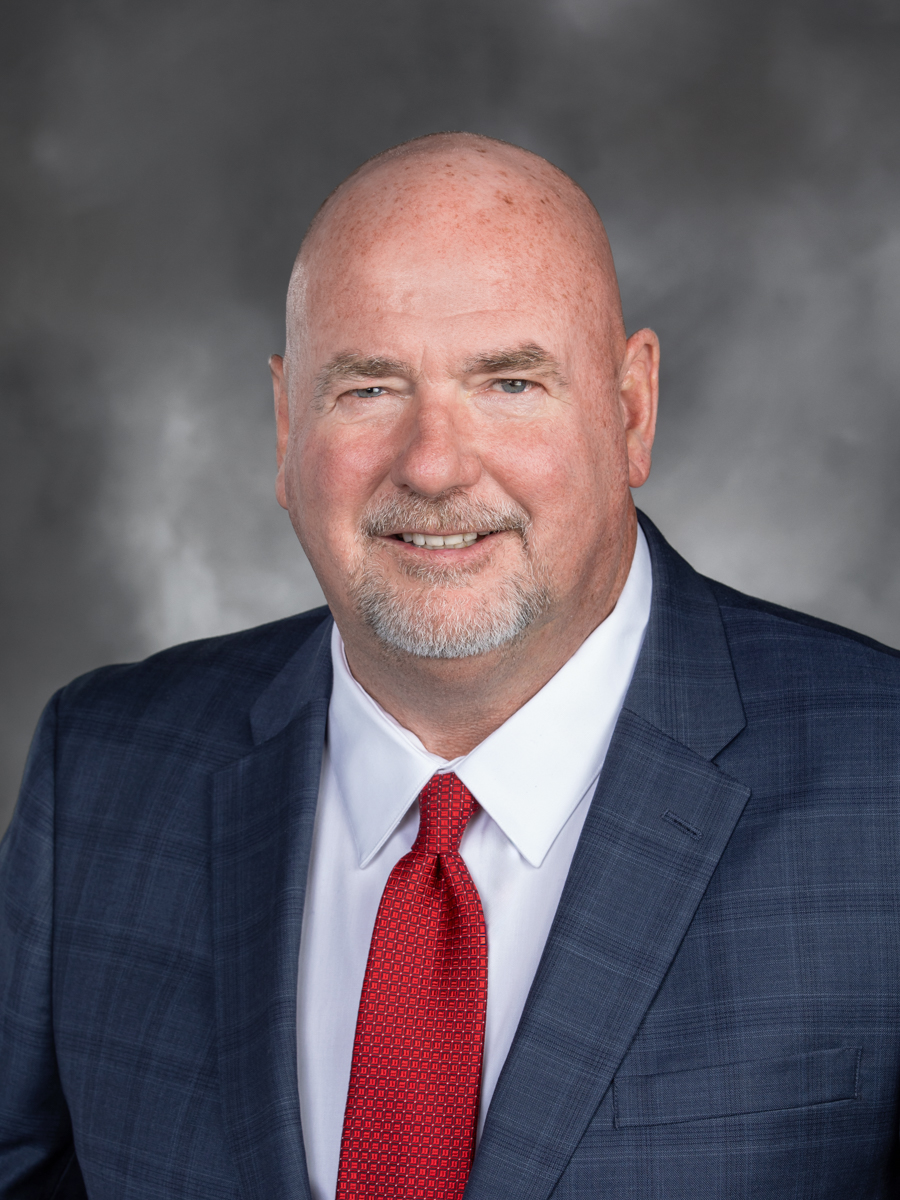
Photo of Dave Stuebe
R Washington House · District 17 On the 2026 ballot

Rep. Dave Stuebe

Compare
Total votes
1,201
all sessions
Attendance
96%
52 missed
Lower than 86% of chamber peers
With party
93%
of cast votes
Lower than 86% of chamber peers
Bipartisan score
4%
crosses aisle rarely
Higher than 84% of chamber peers
Sponsored
95
bills & resolutions
Near the chamber average
Committees
4
assignments
95 bills and resolutions

Sponsored bills

Total
95
Primary
8
Co-sponsor
87
This page
95
matching current filters
Co-sponsor HB 2052
In committee · Washington House · Co-sponsor
Allowing agricultural employees to voluntarily waive overtime requirements for up to 15 workweeks in a calendar year.

Maddy summaryHB 2052 allows Washington agricultural employees to voluntarily waive overtime pay for up to 15 workweeks per calendar year during peak harvest seasons. This directly affects farmworkers who choose to work more hours without receiving the standard 1.5x overtime rate, potentially increasing their earnings during busy periods. The bill amends state law to add this voluntary waiver option for agricultural employees, replacing previous seasonal overtime caps that limited hours during harvest. It does not change the standard overtime rate but provides a temporary, worker-initiated exception to overtime requirements.

In committee Jan 12, 2026 1 co-sponsor
Primary HB 1708
In committee · Washington House · Lead sponsor
Helping local governments provide information about the impacts of homelessness.

Maddy summaryHB 1708 requires Washington cities and counties to use a new state-provided dashboard tool to publicly report specific data on homelessness efforts. The dashboard must display annual metrics including housing unit gaps (needed vs. permitted), spending on housing assistance, households served, addiction treatment access, crime rates near encampments, and encampment locations - especially near schools. The Department of Commerce will contract for the application, and the Municipal Research Center will compile the data for public posting on its website. This policy directly affects all local governments by mandating standardized reporting on homelessness programs, not by providing new funding or services.

In committee Jan 12, 2026 0 co-sponsors
Co-sponsor HB 1802
In committee · Washington House · Co-sponsor
Prohibiting obstructing a law enforcement officer or other first responder.

Maddy summaryHB 1802 makes it a crime to intentionally obstruct law enforcement officers or other first responders (like firefighters, EMTs, or emergency dispatchers) while they are performing their duties. The bill specifically prohibits: (1) hindering or delaying officers/responders in their work, or (2) approaching within 25 feet after being verbally warned not to, if the person intends to interfere, threaten, or harass them. It defines "first responder" broadly to include emergency medical personnel, firefighters, and others, and clarifies that people intervening to help an officer in immediate danger are exempt. Violating this law is a gross misdemeanor, punishable by up to 364 days in jail or a fine.

In committee Jan 12, 2026 1 co-sponsor
Co-sponsor HB 1324
In committee · Washington House · Co-sponsor
Funding the state transportation system using climate commitment act revenues.

Maddy summaryHB 1324 redirects revenues from Washington's Climate Commitment Act (CCA) auction system to fund major state transportation projects, including the I-5 Columbia River bridge replacement and the US 395 North Spokane corridor. The bill amends existing law to require that CCA auction proceeds - previously restricted from road projects - be allocated specifically to highway and bridge infrastructure, rather than solely to climate or environmental programs. Key provisions mandate that funds support projects improving freight movement (like the Gateway freight project) and reducing congestion, which the bill states contributes to lower greenhouse gas emissions. This reallocation changes how CCA revenue is spent but does not alter the underlying auction system or funding amounts.

In committee Jan 12, 2026 1 co-sponsor
Co-sponsor HB 2057
In committee · Washington House · Co-sponsor
Concerning the identification and review of new programs.

Maddy summaryHB 2057 requires Washington State agencies to identify and track new programs funded by the state. Specifically, the state auditor must publish an annual draft list (by July 1) of all new programs from the previous fiscal year, including program names, descriptions, funding amounts, and agencies involved. Three years after a program's initial funding, the auditor must conduct a review to assess its effectiveness, efficiency, and alignment with original goals, then recommend improvements or termination. This law directly affects state agencies creating new programs, the state auditor, and legislative committees overseeing budget decisions. The bill aims to ensure taxpayer money is used efficiently by mandating regular reviews of new state initiatives.

In committee Jan 12, 2026 1 co-sponsor
Co-sponsor HB 1869
In committee · Washington House · Co-sponsor
Prohibiting the expenditure of Washington state funds for any capital costs of a transit agency created pursuant to the laws of an adjacent state.

Maddy summaryHB 1869 prohibits Washington state funds from covering capital costs - such as construction, transit vehicle purchases, or major equipment - for transit agencies created under the laws of neighboring states (e.g., Oregon or Idaho). It directly affects regional transit agencies operating across state lines, restricting state funding for capital projects but not ongoing operational expenses. The law, effective July 1, 2025, ensures Washington taxpayers’ money cannot subsidize infrastructure built by out-of-state transit entities.

In committee Jan 12, 2026 1 co-sponsor
Co-sponsor HB 1853
In committee · Washington House · Co-sponsor
Designating school district recreational properties as green community schoolyards and developing a model shared-use agreement to increase the use of existing playgrounds and playfields.

Maddy summaryHB 1853 requires Washington school districts to designate all public outdoor recreational spaces (like playgrounds and fields) as "green community schoolyards" available for community use outside school hours. It mandates the state superintendent to create a model shared-use agreement policy covering scheduling, costs, liability, equity, and fee structures to facilitate community access. School districts adopting this model policy become eligible for adjusted state funding under the school construction program. The bill directly affects school districts, community groups, and residents - especially those in underserved areas - by expanding access to outdoor recreation spaces without new land acquisition. It aims to improve physical activity access, community cohesion, and climate resilience through existing school properties.

In committee Jan 12, 2026 1 co-sponsor
Co-sponsor HB 1818
In committee · Washington House · Co-sponsor
Concerning the administration of plats.

Maddy summaryHB 1818 updates Washington's land subdivision laws, which haven't been revised since 1969, to create a uniform process for dividing land. It eliminates outdated distinctions between "short plats" and "subdivisions" by merging their requirements, as current rules have become identical over time. The bill amends multiple statutes to streamline the approval process for land division maps, ensuring local governments use consistent standards for preliminary and final plats. This primarily affects cities, towns, and counties that review and approve land development projects.

In committee Jan 12, 2026 1 co-sponsor
Co-sponsor HB 2059
In committee · Washington House · Co-sponsor
Requiring certain disclosures from private entities that receive state funding.

Maddy summaryHB 2059 requires private organizations receiving state grants (like nonprofits, corporations, or associations) to publicly disclose specific financial and operational details within five business days of receiving funding. This includes employee wages, board member compensation, political contributions made over the last four election cycles, lobbyist contracts, and a detailed spending report for the grant money. State agencies must verify compliance, and noncompliant entities face losing the grant funds and must repay the full amount. The bill applies broadly to all state and local agencies awarding grants but excludes routine procurement of goods or services.

In committee Jan 12, 2026 1 co-sponsor
Co-sponsor HB 1799
In committee · Washington House · Co-sponsor
Concerning persons convicted of violent offenses with a firearm.

Maddy summaryHB 1799 prohibits individuals convicted of violent offenses involving a firearm from earning early release credits toward their prison sentences. Specifically, it amends Washington state law to deny all "good time credits" or "earned release time" for sentences resulting from violent crimes where a firearm was used as a deadly weapon. This directly affects people sentenced for violent felonies with firearm enhancements under existing law (RCW 9.94A.533), preventing them from reducing their sentences through behavior-based credits. The bill does not change sentencing lengths but restricts a key mechanism for early release for this specific group of offenders.

In committee Jan 12, 2026 1 co-sponsor
Showing 51 to 60 of 95 bills
Previous 1 5 6 7 10 Next