

Maddy summaryHB 2175 exempts nonprofit organizations that provide free durable medical equipment to patients from Washington's retail sales and use taxes on items necessary for their operations. These providers must be federally tax-exempt under 501(c), not charge patients, and be licensed in Washington. The exemption expires January 1, 2037, and includes a review clause to potentially extend it if the policy increases access to medical equipment for Washington residents.
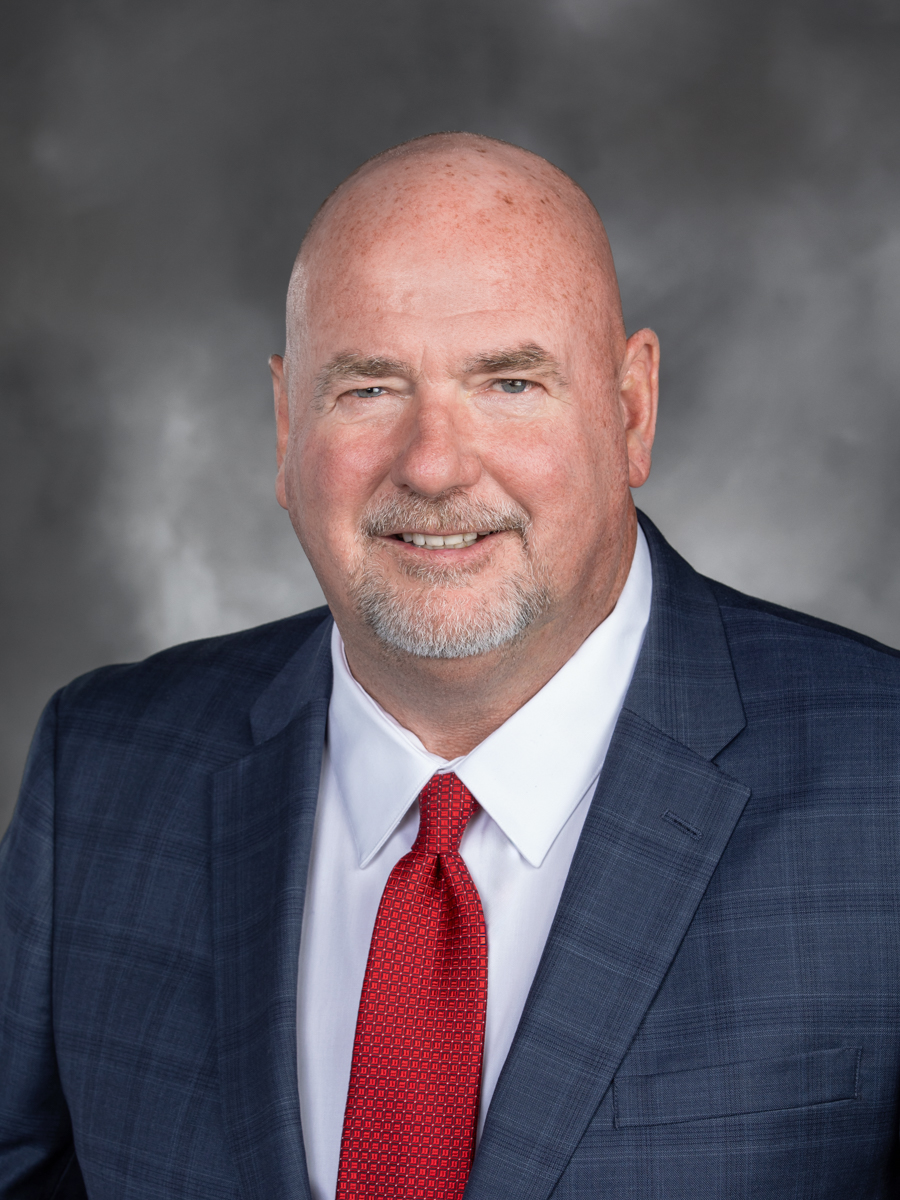
Rep. Dave Stuebe
Sponsored bills
Maddy summaryHB 1529 allows cities to contract with counties for road construction and maintenance work without counting that work toward the city's 10% limit on using city employees for public works projects. The bill specifically exempts county-performed road striping and paving from the 10% cap, making it easier for cities - especially rural ones - to access county resources. It also sets dollar limits ($150,000 for multi-trade projects, $75,500 for single-trade) on city employees performing road work and requires cities to report spending to the state auditor. First-class cities must follow these rules when using county crews or city staff for road projects.
Maddy summaryHB 2719 creates the empowerED scholarship program, providing education savings accounts for foster care students in Washington state (ages 5-21) who are in care or have aged out. The program allows foster parents, caregivers, or guardians to use state-funded accounts - managed via a state-administered debit card - to cover qualified education expenses at private schools, home-based instruction, or other approved services. It explicitly permits religious private schools to participate, aligning with recent U.S. Supreme Court rulings on education funding. The bill aims to address educational instability faced by foster care students by ensuring funding follows the student across placements, with strict oversight to prevent misuse of funds.
Maddy summaryHB 2717 amends Washington state's school funding formula to standardize how basic education funds are distributed to school districts. It establishes "prototypical" schools (e.g., 600 students for high schools) to calculate minimum funding needs, setting specific class size targets (like 17 students per teacher in K-3) and allocating funds for staff like counselors and nurses. The bill requires transparency by mandating public reporting of per-pupil funding for all programs, including a link on school district websites. It does not directly address "highly capable students" as its title suggests; instead, it focuses on general education funding mechanics and reporting. The bill is currently in the Appropriations committee after its first reading.
Maddy summaryHJM 4014 is a procedural memorial requesting the U.S. Department of Justice investigate alleged fraud in Washington state's child care subsidy programs. It cites reported issues including hundreds of millions in un-auditable payments, whistleblower claims of self-dealing in community reinvestment programs, and misleading practices in minority-focused debt relief. The memorial specifically asks the DOJ to examine the Attorney General's handling of fraud allegations, potential public records violations, and whether systemic issues undermine federal oversight. This is a formal request to federal authorities, not a legislative change affecting Washington residents or programs directly.
Maddy summaryHB 2690 clarifies that Washington electric utilities must provide low-income energy assistance specifically for electricity costs, not for other energy sources like natural gas or heating oil. The bill simplifies existing rules by removing duplicative administrative requirements and preventing utilities from covering non-electric energy expenses. It aims to reduce costs for utilities and ratepayers while preserving current assistance programs like weatherization and bill discounts. The law does not expand existing requirements or create new assistance programs, only clarifying how current obligations apply.
Maddy summaryHouse Resolution 4675, adopted on January 28, 2026, is a ceremonial resolution expressing the Washington State House of Representatives' gratitude to the Washington National Guard for their service. It specifically acknowledges the Guard's roles in emergency response (including flood operations and search-and-rescue missions), disaster recovery efforts (like adapting from the Oso landslide), and national defense support (such as aerial refueling capabilities). The resolution directs copies to the Adjutant General, Governor, and other officials but does not create new laws or alter policies. It directly honors National Guard members, their families, and employers without imposing any financial or operational requirements.
Maddy summaryHB 2687 sets safety conditions for individuals conditionally released into community settings from secure facilities. It requires a 500-foot buffer from schools (K-12) and child care facilities, prohibits the person's residence from being adjacent to a home with a minor, and mandates electronic monitoring with real-time tracking and exclusion zones. These rules aim to protect community safety, particularly for children, while allowing for community-based treatment. The bill applies to individuals under court-ordered conditional release, such as those in Washington’s commitment system.
Maddy summaryHB 2672 requires private organizations (like nonprofits under IRS 501(c)) receiving state-funded grants to disclose specific information on a standardized form. This includes details about high-paid employees ($100,000+), staff with past public office, board members and their compensation, political contributions from the last four election cycles, and how grant funds will be spent. State agencies must collect these disclosures during grant applications or renewals, send all completed forms to the Office of Financial Management, and ensure compliance. Noncompliance results in losing the grant and repaying all funds, while the Office will maintain a public database of all disclosures. The bill directly affects grant-seeking private entities and state agencies administering such funding.
Maddy summaryHJM 4013 is a joint memorial urging Governor Ferguson to opt Washington state into a federal tax-credit scholarship program for K-12 education. It would direct approximately $732 million annually in unused federal funds to Washington students from working-class and middle-class families (household income ≤300% of area median income) through tax credits for donors. The program requires no state funding, imposes no budget obligation, and mandates scholarship organizations to spend at least 90% of funds on student expenses like tutoring and technology while meeting strict federal accountability standards. Failure to opt in would prevent Washington families from accessing these federal resources, which would instead benefit students in states that have joined the program.