

Maddy summaryHB 2501 updates the required disclosure statement for sellers of residential properties with oil heating systems. It replaces outdated language about "no cost insurance" with a notice stating that "remediation assistance for heating oil contamination may be available" through the Washington State Pollution Liability Insurance Agency. The bill specifically affects real estate sellers in Washington who must provide this notice to buyers before closing. The revised disclosure applies only to property sales occurring on or after January 1, 2027, and does not change the insurance program itself.
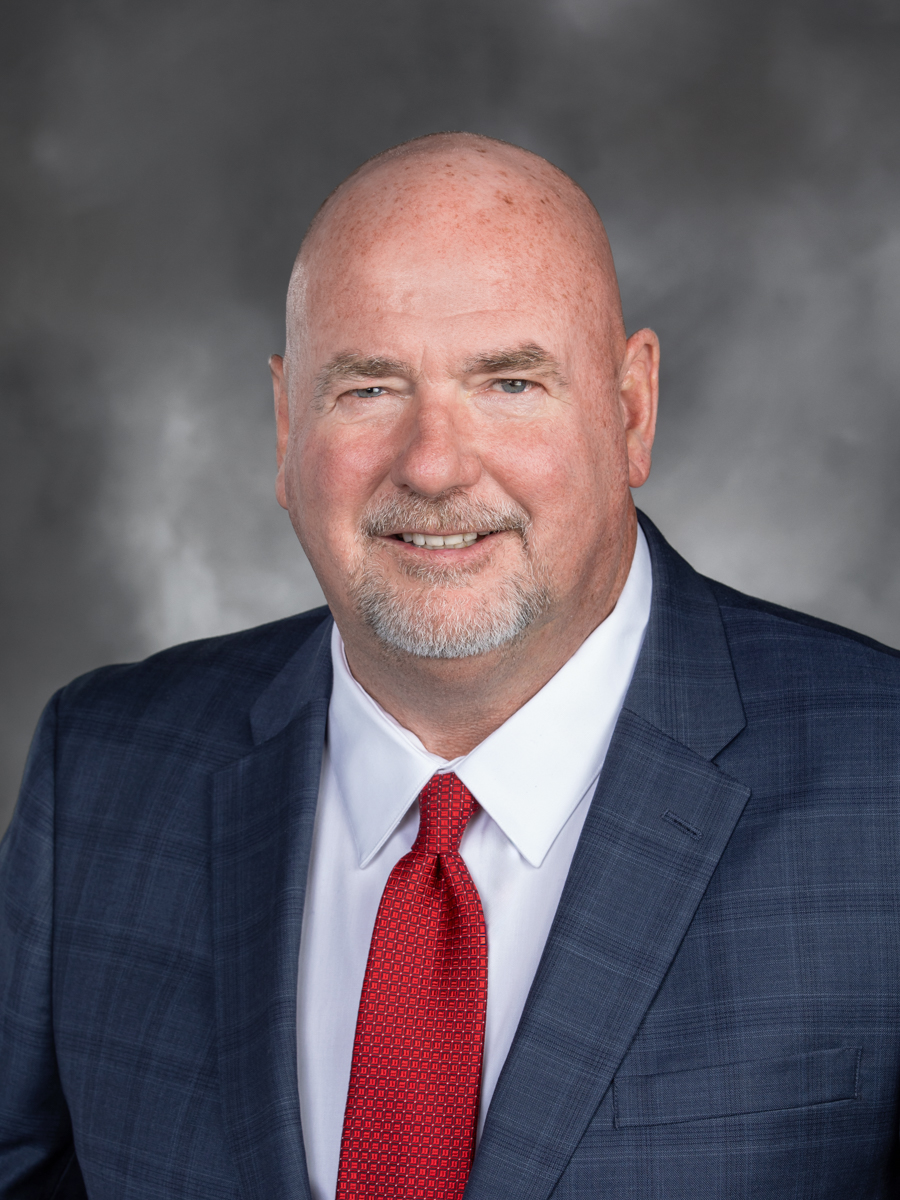
Rep. Dave Stuebe
Sponsored bills
Maddy summaryThis bill is a ceremonial resolution (HR 4691) adopted by the Washington State House of Representatives on February 16, 2026. It formally commends the contributions of U.S. presidents, specifically highlighting George Washington and Abraham Lincoln's roles in establishing freedom and ending slavery, and recognizes the third Monday in February as Presidents' Day. The resolution does not create new laws or affect any individuals or policies; it solely expresses the House's symbolic honor for presidential legacies. It directly affects no one but serves as a formal statement of recognition by the state legislature.
Maddy summaryThis joint legislative memorial requests Washington's Governor to express state interest in hosting a federal nuclear energy innovation campus. It directs the Governor to prepare a state response to the U.S. Department of Energy's request for information, outlining Washington's capabilities in nuclear technology, workforce, and infrastructure. The memorial aims to position Washington to participate in a federal initiative focused on advancing nuclear energy technology, job creation, and grid reliability. It is a procedural request, not a law, directing state action to pursue a federal opportunity.
Maddy summaryThis is a ceremonial resolution (not substantive legislation) passed by the Washington state House of Representatives. It formally congratulates the Seattle Seahawks football team for winning the 2025 NFL regular season, NFC West Division championship, and Super Bowl 60. The resolution specifically recognizes their 14-3 record, defensive dominance, key player achievements (including MVP Kenneth Walker III), and community contributions. It has no legal effect beyond expressing the House's recognition and appreciation to the team organization.
Maddy summaryHB 2224 allows cities and towns in Washington to create fire protection districts with boundaries matching their city limits, subject to voter approval. It requires cities to include detailed financing plans in their proposals, showing how property taxes or special fees will be used and how they will impact existing city tax levies. For districts formed before July 1, 2026, cities must reduce their own property tax levies by the amount the new district imposes; for districts formed after that date, cities must stay within specific tax rate limits. The bill also mandates public hearings and specifies ballot language requirements for voter approval. This directly affects local governments creating districts and property owners through potential tax changes.
Maddy summaryHB 2514 establishes a memorial on the Washington state capitol campus to honor service members from Washington who died in Operation Iraqi Freedom, Operation Enduring Freedom, and Operation New Dawn (collectively termed the "global war on terror"). The bill creates a work group with legislative, veteran, and state agency representatives to plan the memorial’s design, location, funding, and construction. It requires the work group to submit recommendations to the capitol committee by July 2027, including names to honor, potential sites, and budget details. The memorial must also include a reflective component acknowledging veterans who died by suicide after service. This is a commemorative measure with no immediate policy or funding changes.
Maddy summaryHB 2729, the Retail Theft Accountability Act, mandates a minimum 30-day jail sentence (up to 364 days) and up to $5,000 in fines for repeat offenders convicted of specific property crimes like third-degree theft or possessing stolen goods within two years. It directly affects repeat offenders (18+ with two prior convictions) and aims to protect retail businesses - especially essential stores like grocery and pharmacy outlets - that face closures due to theft. The bill allows courts to offer court-supervised diversion programs (e.g., treatment, job support) instead of jail if participants complete them successfully; failure to complete results in the mandatory sentence. This law takes effect July 1, 2026, to address community safety concerns tied to unsustainable theft losses.
Maddy summaryHB 2174 allows counties, cities, or towns in Washington to designate "accident risk zones" on public roads with frequent collisions. It requires public hearings before designation, mandates safety investigations (including speed limit reviews), and increases enforcement in these zones. Drivers committing traffic violations like speeding in these zones face double the standard fine if signs notify them of the higher penalties, with half the doubled fines funding safety improvements like road signs or engineering fixes. Zones automatically end once safety measures are implemented or can be dissolved via petition from property owners or by the local government. The bill explicitly authorizes local governments to create these zones under new state law provisions.
Maddy summaryHB 2728 requires Washington employers with 15+ employees to disclose wage ranges and benefits in all job postings, aiming to prevent frivolous lawsuits over minor posting errors. It creates a 5-business-day "notice and cure" period where employers can fix violations before job applicants can file lawsuits, and sets statutory damages at $100-$5,000 per violation (considering factors like willfulness and employer size). The bill applies to all pending cases without final judgments as of its effective date, using the 2025 statutory framework for remedies. It sunsetts on July 27, 2027, and targets abusive litigation over technical compliance issues rather than consumer protection.
Maddy summaryHB 2567 updates Washington's college grant program to adjust funding for students attending private four-year non-profit institutions. Starting in the 2026-27 academic year, the maximum grant amount for these students will be set at 50% of the average award given to students at public four-year institutions, replacing the previous fixed amount of $9,739 (adjusted annually for tuition growth). This change directly affects students enrolled at eligible private non-profit universities in Washington state who qualify for financial aid. The bill amends existing grant formulas to align private institution funding more closely with public institution awards, effective after the 2025-26 academic year.