

Maddy summaryHB 1037 amends Washington state law to expand how cities, towns, and counties can form public facilities districts (PFDs) for projects like regional centers. It allows single cities/towns in counties under 1 million population to create PFDs, and adds new options for joint operations between contiguous cities/towns and counties (or school districts), with a deadline of July 1, 2026, for certain new districts. The bill details governance rules, requiring boards with appointed members (including representation from local organizations like chambers of commerce) serving four-year terms. It directly affects local governments in smaller-county areas seeking to collaborate on public infrastructure projects.
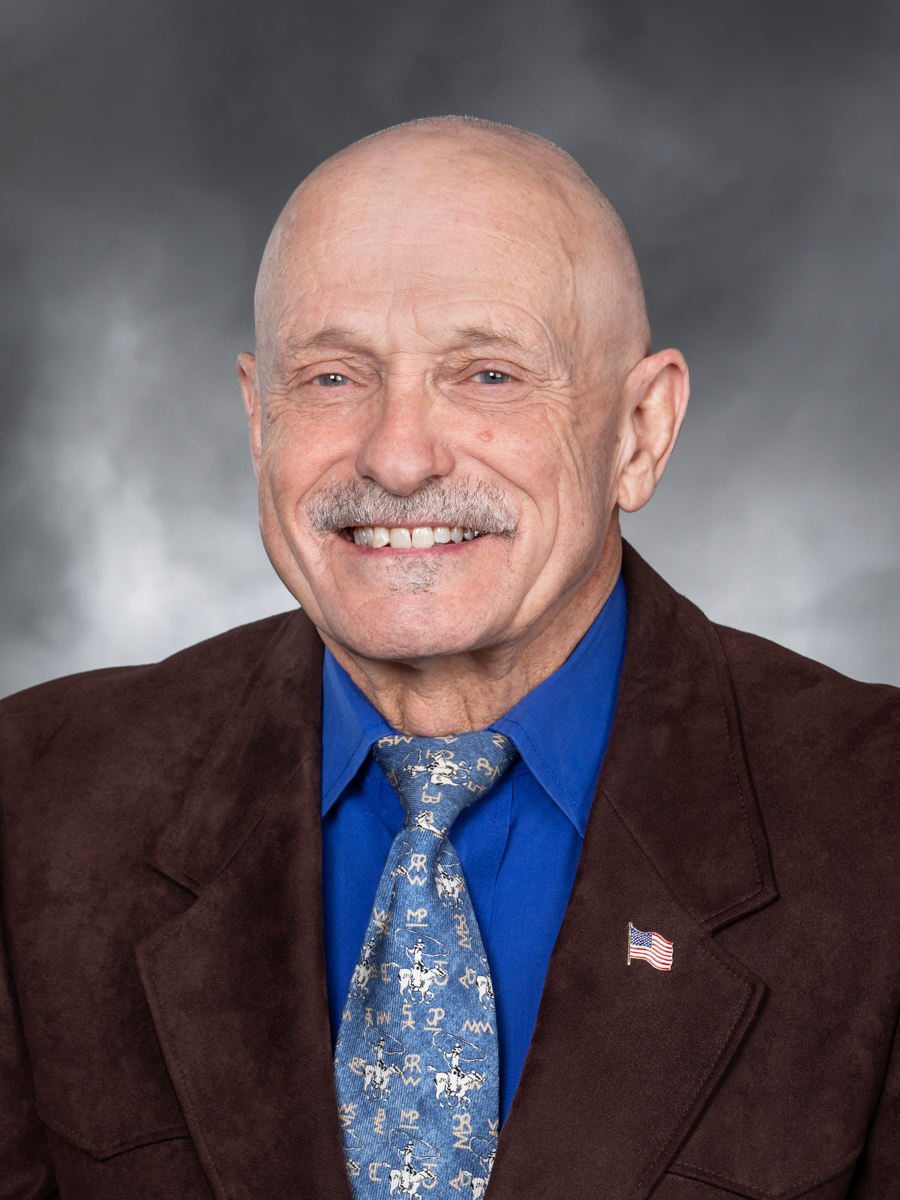
Rep. Tom Dent
Sponsored bills
Maddy summaryHB 1777 streamlines the state approval process for apprenticeship programs that already have federal approval, directly affecting program sponsors (including tribal and nontribal organizations) and employers seeking to expand training opportunities. It requires the apprenticeship council to expedite reviews of federally-approved programs by limiting state-specific scrutiny to unique requirements, while reforming competitor objections: objections must be filed within 30 days of provisional approval, and frivolous objections can trigger penalties like attorney fee payments or $10,000 fines. The bill also mandates annual reports comparing Washington’s program approval rates to federal standards and other states, including details on pending applications and denial reasons. These changes aim to reduce current delays - where 4 of 17 2024 applications remained pending after federal approval - without altering apprenticeship content or creating new training slots.
Maddy summaryHB 1872 expands exemptions from certain firearm restrictions for specific groups in Washington State. It exempts current and retired peace officers, military personnel, veterans, shooting sports instructors, and concealed pistol license holders from background check waiting periods after they’ve already passed background checks. The bill also creates new exemptions for these groups regarding restrictions on "excess capacity magazines" and "assault weapons" under existing law. These changes directly affect the named groups by reducing regulatory barriers for firearm access and use while maintaining existing background checks. The bill does not change the definition of "assault weapon" but clarifies exemptions for authorized individuals under the new provisions.
Maddy summaryHB 1117 repeals Washington State's adoption of California's motor vehicle emissions standards, which had caused registration barriers for vehicles meeting federal standards. The bill directly affects vehicle owners who previously needed 407,541 exemptions to register their vehicles and government agencies managing registrations. Key provisions require the Department of Licensing to register previously prohibited vehicles (if they meet state requirements) and direct the Department of Ecology to repeal all rules implementing California standards. This eliminates administrative burdens on both the public and government, allowing vehicles to be registered without exemptions under federal standards. The bill takes immediate effect as an emergency measure.
Maddy summaryHB 1266 establishes the Washington State Commission on Boys and Men within the governor's office to address issues affecting boys and men across six focus areas: mental/physical health, education, careers, fatherhood, the preschool-to-prison pipeline, and court system experiences. The commission, composed of 11 appointed non-legislative members (with diverse representation requirements) and 4 legislative advisory members, will monitor legislation, coordinate with other commissions (like the women's and LGBTQ commissions), gather data, and submit biennial reports to the legislature and governor. Its key duties include identifying needs, advising state agencies on policies affecting boys and men, holding public hearings, and advocating for removing barriers they face. This is a structural commission creation bill, not a policy change, with no direct fiscal impact detailed in the provided text.
Maddy summaryHB 1649 redesigns Washington’s community-based training pathway for licensed child care providers, replacing the underutilized "PACE" program with a new pathway modeled after the discontinued "Building Bridges" curriculum. The bill requires the Department of Children, Youth, and Families to create a low-cost ($250 max), multilingual, culturally relevant training program available online and in communities by August 2025. Licensed providers can meet licensing requirements through this new pathway, existing certificates, or work experience (3+ years in licensed care) until at least 2035. The changes aim to make training more accessible, particularly for rural providers and those with language barriers.
Maddy summaryHB 2036 prohibits individuals convicted of violent offenses involving a firearm from earning early release credits under Washington's sentencing laws. It directly affects people serving sentences for violent crimes where a firearm was used or involved, as defined by existing law. The bill amends RCW 9.94A.729 to explicitly deny all "good time credits or earned release time" for sentences tied to such offenses. This change modifies current early release eligibility rules, ensuring offenders convicted of firearm-related violent crimes cannot reduce their sentences through earned credits. The policy focuses on restricting sentence reductions for specific high-risk offenses, not altering general sentencing guidelines.
Maddy summaryHB 1730 directs all tax revenue generated from aircraft fuel (as defined in state law) to be deposited into the state's aeronautics account, rather than other designated funds. This bill specifically amends existing tax code sections to mandate this funding stream for aviation-related programs and infrastructure. The change affects how Washington State allocates existing tax proceeds from aircraft fuel sales, ensuring these funds exclusively support aeronautics activities. It does not alter the tax rate or impose new taxes on aircraft fuel. The bill focuses solely on redirecting existing revenue to the aeronautics account, as specified in RCW 82.42.090.
Maddy summaryHB 1691 extends the deadline for securing permits and funding for water supply projects under Washington's Yakima River Basin Integrated Plan from 2025 to 2035. This change affects the Department of Ecology and the Yakima River Basin water management program, which aims to provide 214,000 acre-feet of water annually for environmental, agricultural, and municipal uses. The bill amends specific state codes to update the milestone date and related funding review expiration, without altering the plan's core requirements. It provides additional time to complete projects while maintaining existing water rights and conservation goals.
Maddy summaryHB 1323 makes it a crime to intentionally block state highways with three or more people without a permit, particularly when the action creates safety risks like impeding ambulances or causing injury. Organizers face class C felony charges with a minimum 30-day jail sentence and $5,000 fine (non-reducible below $1,000), while participants could face serious misdemeanor penalties. The law specifically targets dangerous blockades that endanger public safety or obstruct emergency response, not peaceful protests. It requires courts to impose minimum penalties for violations, including prior offenses.