

Maddy summaryHB 2356 would allow homicide victims' next of kin (spouse, parents, siblings, or children, excluding perpetrators) to request a court block public access to related case records. The bill amends Washington's public records law (RCW 42.56.540) to give families a formal legal process - via court motion with affidavit - to seek confidentiality for homicide case documents. This directly affects families of homicide victims who wish to limit public disclosure of sensitive case details. The bill is currently prefiling (2026) and has not yet become law.
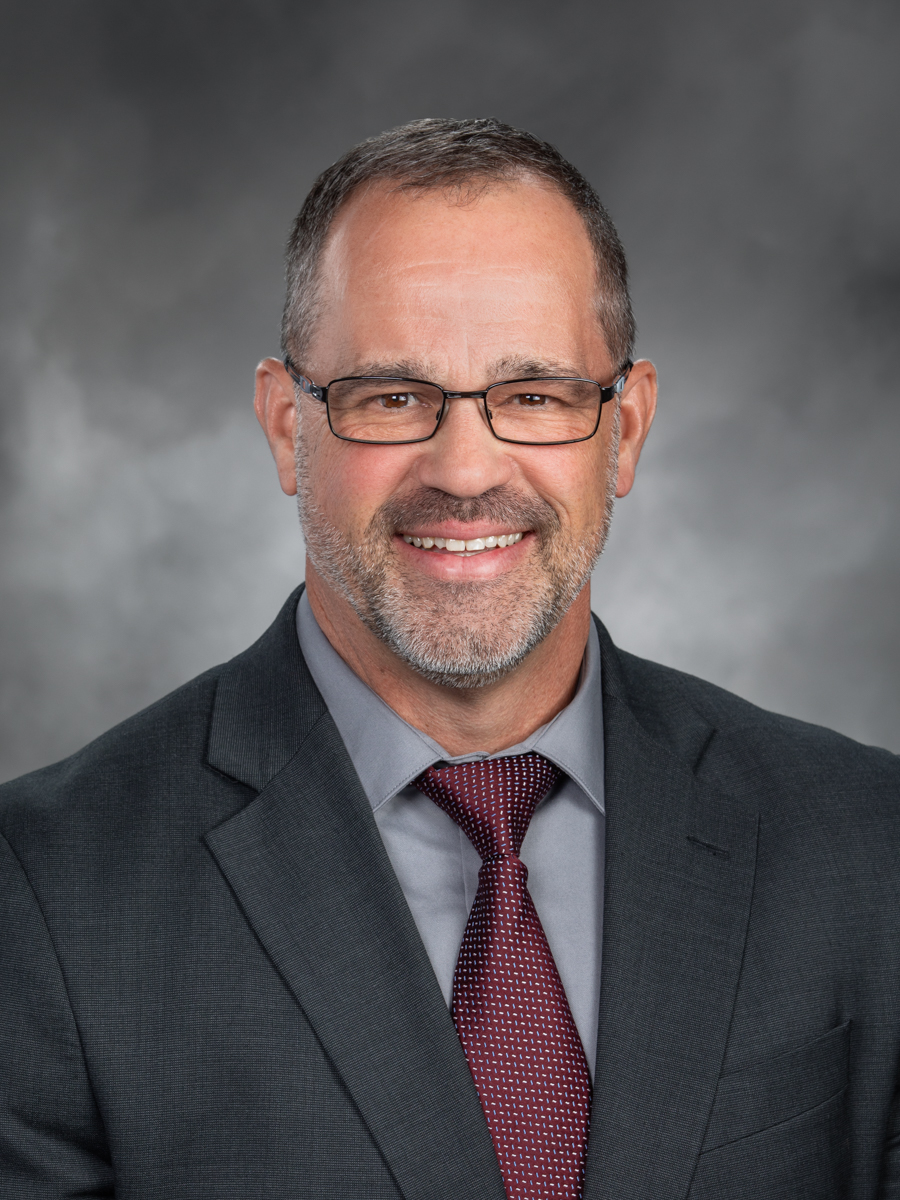
Rep. Brian Burnett
Sponsored bills
Maddy summaryHouse Resolution 4675, adopted on January 28, 2026, is a ceremonial resolution expressing the Washington State House of Representatives' gratitude to the Washington National Guard for their service. It specifically acknowledges the Guard's roles in emergency response (including flood operations and search-and-rescue missions), disaster recovery efforts (like adapting from the Oso landslide), and national defense support (such as aerial refueling capabilities). The resolution directs copies to the Adjutant General, Governor, and other officials but does not create new laws or alter policies. It directly honors National Guard members, their families, and employers without imposing any financial or operational requirements.
Maddy summaryHB 2387 clarifies that elected sheriffs not certified as peace officers under Washington law cannot personally perform law enforcement actions reserved for certified officers, though they retain authority for actions authorized by law. The bill automatically triggers recall proceedings if a sheriff’s certification is revoked for misconduct occurring after their term began - specifically, mandatory decertification (under RCW 43.101.105(2)) eliminates the need to collect voter signatures for a recall election. It amends laws to require the Criminal Justice Training Commission to initiate recalls upon certification revocation and specifies that no signatures are needed for such cases. This applies only to sheriffs who lack peace officer certification, directly affecting their accountability process for post-term misconduct.
Maddy summaryHJM 4013 is a joint memorial urging Governor Ferguson to opt Washington state into a federal tax-credit scholarship program for K-12 education. It would direct approximately $732 million annually in unused federal funds to Washington students from working-class and middle-class families (household income ≤300% of area median income) through tax credits for donors. The program requires no state funding, imposes no budget obligation, and mandates scholarship organizations to spend at least 90% of funds on student expenses like tutoring and technology while meeting strict federal accountability standards. Failure to opt in would prevent Washington families from accessing these federal resources, which would instead benefit students in states that have joined the program.
Maddy summaryHB 2569 clarifies retirement benefit options for Washington law enforcement officers and firefighters in Plan 2. It requires active members retiring after January 31, 2021, to choose between a one-time lump sum ($100 per service credit month, with a $20,000 minimum for line-of-duty disability retirees) or the existing tiered multiplier benefit. Retirees before February 1, 2021, receive a lump sum by January 31, 2023, with the same $20,000 minimum for disability cases. The bill also specifies that choosing the lump sum excludes members from the tiered multiplier benefit and exempts the lump sum from taxes and legal claims.
Maddy summaryThis is a ceremonial House resolution (not a policy bill) introduced on January 19, 2026, by multiple Washington State Representatives. It formally recognizes Dr. Martin Luther King Jr.'s life, legacy of nonviolent activism, and contributions to civil rights, including his role in the Civil Rights Act of 1964 and Voting Rights Act of 1965. The resolution expresses the House's commitment to upholding Dr. King's ideals of equality, justice, and opportunity for all. As a symbolic gesture, it does not create new laws, allocate funds, or affect any specific individuals or groups.
Maddy summaryHB 2482 modifies Washington's retirement rules to allow retired law enforcement officers from Plan 2 (part of the law enforcement and firefighters' retirement system) to serve as police chiefs in towns or cities with fewer than 50,000 residents. Retirees in this position can choose to either rejoin Plan 2 (temporarily suspending their retirement benefits) or keep their benefits while forgoing new service credit. The bill specifically targets small departments, as the exception does not apply to larger cities. This change directly affects retired officers seeking leadership roles in smaller communities who previously could not hold such positions without losing retirement benefits.
Maddy summaryHB 2461 establishes a Washington state commission on boys and men to address systemic challenges they face in areas like education, health, workforce participation, and justice system involvement. The commission will collect data, analyze disparities (such as higher rates of homelessness or suicide), and develop evidence-based recommendations for policy changes. It will consist of 15 appointed members who must focus on six key areas, including mental health, fatherhood, and reducing overrepresentation in justice systems, and will submit biennial reports to the legislature. The bill directly affects boys, male youth, and men across Washington state by creating a formal mechanism to study and address their specific needs through data-driven policy analysis.
Maddy summaryThis bill amends Washington state laws related to child abuse and neglect definitions and procedures, though it is titled "Concerning coaches of youth sports organizations." The legislation updates legal definitions for terms like "child," "child protective services," and "family assessment response" to clarify how child welfare cases are handled. It establishes specific criteria for determining when a child is at risk of entering foster care and outlines protocols for child forensic interviews conducted in supportive environments like children's advocacy centers. The bill aims to improve consistency in how child abuse reports are investigated and responded to by state agencies, without changing the core requirement for youth sports coaches to undergo background checks.
Maddy summaryHB 2166 amends Washington State law to grant state employees two unpaid religious holidays per year for observance of faith-based practices. It specifically adds a provision allowing employees to select two days annually for religious observance (e.g., Hanukkah, Eid al-Fitr, Passover) after consulting with employers, unless the absence would cause undue hardship. The bill does not create new paid holidays but expands existing unpaid holiday options for state workers, including those in schools and public institutions. It reaffirms existing state legal holidays while listing additional recognized days (like Hanukkah and Eid) that are not legally designated as paid holidays.