

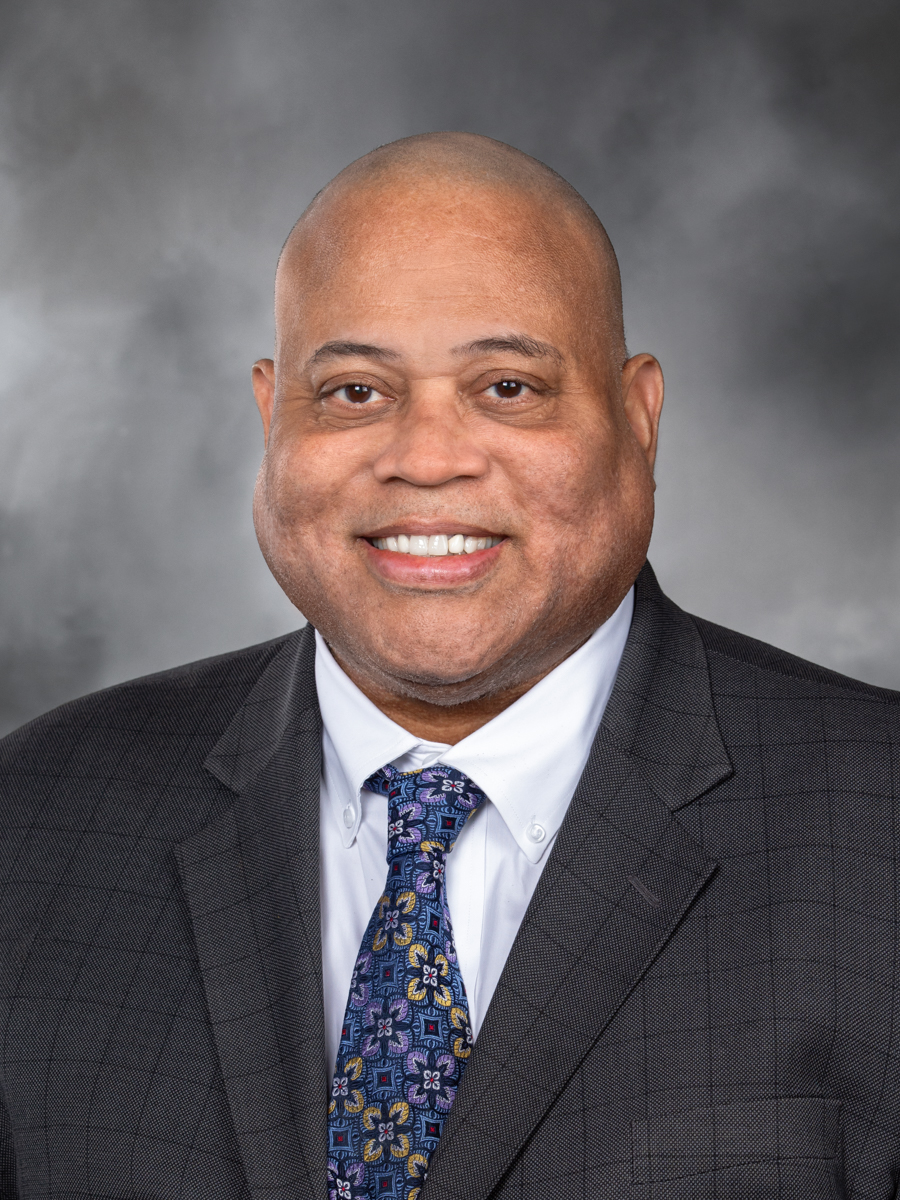
Photo of David Hackney
D Washington House · District 11 On the 2026 ballot

Rep. David Hackney

Compare
Total votes
3,509
all sessions
Attendance
88%
422 missed
Lower than 97% of chamber peers
With party
99%
of cast votes
Near the chamber average
Bipartisan score
0%
crosses aisle rarely
Near the chamber average
Sponsored
361
bills & resolutions
Lower than 96% of chamber peers
Committees
4
assignments
361 bills and resolutions

Sponsored bills

Total
361
Primary
67
Co-sponsor
294
This page
361
matching current filters
Primary HB 2393
In committee · Washington House · Lead sponsor
Concerning correctional facility liability for inmate injuries resulting from voluntary controlled substance use, when lawful intake and medical care requirements are met.

Maddy summaryThis bill limits state and local government liability for injuries to inmates caused by their voluntary use of controlled substances under specific conditions. It applies when inmates were lawfully searched upon admission (with any substances seized), and the facility met medical care requirements. However, liability still applies if the facility or government provided the substance or failed to provide medical care when they knew an inmate needed it. The law affects correctional facilities (jails, prisons) and the government entities that operate them, changing how liability is determined in such cases.

In committee Jan 12, 2026 0 co-sponsors
Primary HB 1268
In committee · Washington House · Lead sponsor
Concerning virtual currency transaction kiosks.

Maddy summaryHB 1268 regulates virtual currency transaction kiosks in Washington State by requiring operators to obtain a money transmission license, treating kiosk operations as money transmission under state law. It mandates clear disclosures to users about risks (including irreversible transactions, lack of government insurance, fraud vulnerabilities, and price volatility) displayed prominently before each transaction. The bill also requires licensees to create detailed winding-down plans for business closures, ensuring consumer funds are protected and accessible. These provisions directly affect kiosk businesses and consumers using virtual currency services in Washington.

In committee Jan 12, 2026 0 co-sponsors
Co-sponsor HB 1862
In committee · Washington House · Co-sponsor
Regulating the length of trains on railroads.

Maddy summaryWashington State's HB 1862 limits the maximum length of freight, passenger, and work trains operating within the state to 8,500 feet, directly affecting all railroad carriers (including those operating through Washington) that transport freight or passengers. The bill requires trains exceeding this length to obtain specific approval from the Utilities and Transportation Commission, which may allow trains up to 10,000 feet only if equipped with additional safety measures: extra crew members, accessible air brake valves, and emergency communication systems. Violations carry fines starting at $25,000 for the first offense, doubling with each subsequent violation. The law aims to address safety risks from excessively long trains on Washington's varied terrain, particularly regarding emergency response and infrastructure safety.

In committee Jan 12, 2026 1 co-sponsor
Primary HB 1464
In committee · Washington House · Lead sponsor
Concerning home equity sharing agreements.

Maddy summaryHB 1464 establishes a new regulatory framework for home equity sharing agreements in Washington State, which are financial arrangements where homeowners receive an upfront payment in exchange for sharing future property equity (not classified as mortgage loans). The bill requires originators of these agreements to obtain a license from the Department of Financial Institutions by July 1, 2026, including background checks, surety bonds, and annual fees. It defines key terms like "agreed home value" and "annualized cost" to standardize agreements for primary residences, while explicitly stating these are not mortgage loans or reverse mortgages. The law applies to all such agreements involving Washington homeowners and aims to create clear oversight for this growing financial product.

In committee Jan 12, 2026 0 co-sponsors
Co-sponsor HB 1111
In committee · Washington House · Co-sponsor
Concerning the indeterminate sentence review board.

Maddy summaryHB 1111 allows individuals convicted of crimes before age 18 to petition the indeterminate sentence review board for early release after turning 24, provided they have no recent convictions or serious infractions. The bill requires a department assessment 5 years before eligibility, a dangerousness evaluation within 180 days of petition, and sets conditions for release, including victim input and potential rental assistance. It limits annual petitions to 70, prioritizing those under 25 or recently transferred from juvenile custody, and expires July 2035. The policy aims to align with brain development science by creating rehabilitation incentives for youth offenders.

In committee Jan 12, 2026 1 co-sponsor
Primary HB 1536
In committee · Washington House · Lead sponsor
Concerning offenses involving unlawful possession of a firearm by a juvenile.

Maddy summaryHB 1536 revises Washington state law to address juvenile firearm possession by clarifying when a minor is charged with a felony. It classifies unlawful firearm possession as a class B felony if a juvenile has prior adjudication for serious offenses (like violent crimes or domestic violence), and a class C felony for other cases. The bill specifically targets juveniles under 18 who possess firearms without prior court findings of serious misconduct, while allowing exceptions for rehabilitated individuals or pardoned cases. This law directly affects minors with prior court involvement in certain offenses, aiming to provide accountability through criminal penalties rather than behavioral interventions.

In committee Jan 12, 2026 0 co-sponsors
Primary HB 1229
In committee · Washington House · Lead sponsor
Resentencing of individuals sentenced as a persistent offender.

Maddy summaryHB 1229 allows individuals sentenced as persistent offenders or receiving exceptional sentences (to avoid persistent offender status) due to a second-degree robbery conviction to seek resentencing. It requires public defense offices to review cases where second-degree robbery was used to establish persistent offender status or as part of a plea agreement, and to file motions for resentencing if eligible. The bill mandates courts to resentence these individuals as if second-degree robbery was not the "most serious offense" at sentencing, effectively removing it from consideration in sentencing calculations. This policy change applies to both current sentences and future cases after July 2021, ensuring second-degree robbery no longer qualifies as a "most serious offense" for persistent offender sentencing.

In committee Jan 12, 2026 0 co-sponsors
Co-sponsor HB 1178
In committee · Washington House · Co-sponsor
Concerning sentencing enhancements.

Maddy summaryHB 1178 modifies Washington's sentencing laws to impose stricter penalties for crimes committed to benefit criminal gangs. It expands the definition of "criminal street gang-related offense" to include any felony or misdemeanor committed for reasons like gaining gang membership, controlling criminal markets (e.g., drug trafficking), or retaliating against witnesses. This affects offenders convicted of such crimes, potentially leading to longer sentences under amended sentencing code sections. The bill amends specific laws (RCW 9.94A.030, 9.94A.533, etc.) to implement these sentencing enhancements.

In committee Jan 12, 2026 1 co-sponsor
Co-sponsor HB 1407
In committee · Washington House · Co-sponsor
Concerning offenses involving graffiti or other damage to property.

Maddy summaryHB 1407 requires courts to order offenders convicted of third-degree malicious mischief or graffiti-related crimes to complete 40 hours of community restitution - such as cleaning graffiti from public spaces or repairing damaged property - instead of (or in addition to) fines or jail time. It directly affects individuals convicted of unauthorized property defacement, including gang-related tagging, in Washington state. The bill defines "graffiti" as unauthorized painting, spraying, or marking on public or private property and specifies that restitution must be performed through approved community programs. This change aims to provide offenders with direct accountability by repairing the harm they caused, rather than paying fines that don’t address the damage. The law amends existing statutes to formalize this sentencing option for specific property damage offenses.

In committee Jan 12, 2026 1 co-sponsor
Primary HB 1348
In committee · Washington House · Lead sponsor
Concerning employee ownership of licensed cannabis businesses.

Maddy summaryHB 1348 allows cannabis businesses in Washington to be fully or partially owned by employee stock ownership plans (ESOPs), enabling employees to gain ownership stakes. It directly affects cannabis businesses seeking licenses and employees participating in ESOPs by changing who must undergo licensing vetting. The key provision revises licensing rules to require only corporate officers/directors of ESOP-owned businesses to be vetted - employees, ESOP administrators, and trustees are exempt from criminal background checks, residency requirements, and other owner-level screenings. This simplifies the licensing process while maintaining oversight of business control. The bill aims to align cannabis business ownership with other industries that use ESOPs for employee engagement and wealth-building.

In committee Jan 12, 2026 0 co-sponsors
Showing 21 to 30 of 361 bills
Previous 1 2 3 4 37 Next