

Maddy summaryHB 1128 creates a Washington state Child Care Workforce Standards Board to set minimum compensation and employment standards for child care workers. The board, composed of nine members including worker representatives (from family child care, center workers, and school-age programs), employer representatives, parent advocates, and state agency officials, will address low pay and poor working conditions that contribute to workforce instability. It requires the board to hold public hearings, establish standards with a six-member vote, and protect workers from retaliation for participating in the process. The law aims to improve child care quality and affordability by ensuring fair compensation and stable employment for workers directly serving children.
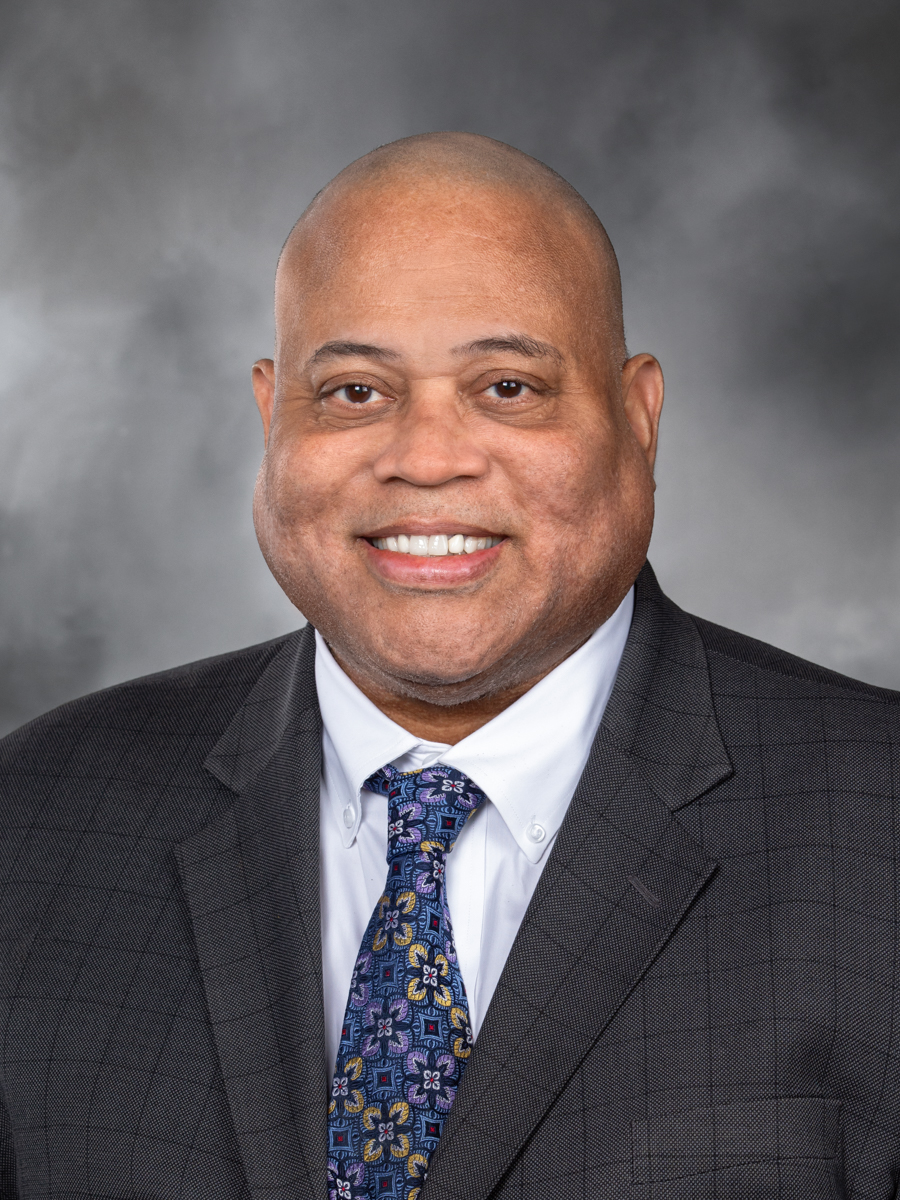
Rep. David Hackney
Sponsored bills
Maddy summaryThis bill is a House resolution that formally recognizes Representative Virginia "Jenny" Graham for her public service in the Washington State House of Representatives. It highlights her eight-year tenure, her advocacy for public safety, and her work on community safety and veterans' issues. The resolution does not create new laws or policies but serves as an official acknowledgment of her contributions and legacy.
Maddy summaryThis bill is a House resolution that formally honors John Michael Sattgast for his 35 years of dedicated service as a communications professional for the House Republican Caucus in the Washington State Legislature. It recognizes his work producing over 4,000 radio stories and coordinating media coverage for state representatives, as well as his leadership roles with the National Conference of State Legislatures. The resolution acknowledges his contributions to sharing legislative history and public information, noting his receipt of the 2023 Legislative Staff Achievement Award. This measure serves as a commemorative tribute rather than establishing new policy or affecting government operations.
Maddy summaryThis bill formally acknowledges the service of Representative Steve Tharinger to his district and the Washington state legislature. It recognizes his long career in public service, including his time as a Clallam County Commissioner, his work on the House Capital Budget Committee, and his advocacy for environmental protection and healthcare. The resolution serves as a commemorative tribute to his contributions and personal qualities rather than establishing new laws or policies.
Maddy summaryHB 1269 amends Washington State law regarding pawnbroker fees, interest rates, and loan terms, directly affecting pawnbrokers and individuals taking out pawn loans. The bill increases the maximum interest rate for loans of $100 or more from 4% to 5% per 30-day period. It also raises the general storage fee and firearm storage fee from $5 to $10 each. Key provisions include shortening the standard loan term and the period before unredeemed property can be sold from 90 days to 60 days. Additionally, the bill revises the structure for loan preparation fees and allows for online payment services for rewritten loans.
Maddy summaryThis Washington state joint memorial (HJM 4017) urges the U.S. federal government to take specific actions regarding Iran, directly affecting U.S. agencies and policymakers. It requests the U.S. refrain from military intervention, strengthen targeted sanctions against Iranian officials violating human rights, minimize harm from broad sanctions on civilians, and support Iranian democracy movements through diplomatic and humanitarian means. The resolution emphasizes prioritizing Iranian-led democratic processes and includes nine specific policy requests, such as expanding internet access and halting deportations to Iran. As a symbolic state resolution - not a binding law - it has no legal effect but formally expresses Washington’s position to federal authorities.
Maddy summaryThis resolution (HR 4692) acknowledges the 84th anniversary of Executive Order 9066, which led to the forced relocation and internment of over 120,000 Japanese Americans during WWII, including 12,000 from Washington State. It recognizes Japanese American veterans, incarcerees, and civil rights activists from Washington, and urges reflection on the principle "with liberty and justice for all," without creating new policies or requiring government action.
Maddy summaryHB 2399 prohibits property insurance policyholders from assigning their post-loss insurance benefits to third parties (like contractors) after a claim occurs. This directly affects homeowners and renters who might otherwise sign agreements transferring control of their insurance claims to repair companies. The bill makes such assignments void and unenforceable, while allowing exceptions for licensed public adjusters, attorneys working for the homeowner, and mortgage lenders. Violations can result in $50,000 fines per incident, with enforcement handled by the Insurance Commissioner.
Maddy summaryHB 2322 creates tax credits for businesses producing low-carbon alternative jet fuel (sustainable aviation fuel) in Washington state, targeting companies that meet specific emissions standards. The bill sets a clear timeline: tax credits begin on July 1, 2031, and expire June 30, 2046, providing certainty for long-term investments. Credits range from $1 to $2 per gallon based on emissions reduction (minimum 50% lower than conventional jet fuel), available only to qualifying businesses in designated counties after the state verifies facilities meet a 20 million-gallon annual production capacity threshold. This policy aims to accelerate clean fuel adoption by reducing financial risk for developers.
Maddy summaryHB 2361 increases the maximum principal amount for small loans in Washington from $700 to $1,200 (adjusted for inflation based on the Seattle-area consumer price index), while also limiting loans to 30% of a borrower's gross monthly income - whichever is lower. The bill caps total interest and fees at 15% for the first $500 of a loan and 10% for amounts over $500, and restricts borrowers to no more than eight small loans in any 12-month period. It prohibits lenders from making new loans to borrowers who are in default on existing small loans until the default is resolved or two years pass. The law directly affects small loan licensees and borrowers seeking short-term credit in Washington.