

Maddy summaryThe CREATOR Act establishes a new federal intellectual property right that allows visual artists to control the commercial use of their distinctive visual style. This right applies specifically to works created using artificial intelligence that are intentionally designed to imitate an artist's style and marketed in a way that could mislead viewers about the work's origin. The law protects this right for the artist's lifetime and for up to 50 years after their death, while explicitly excluding general artistic influence, parody, and the mere capability of AI systems to produce similar outputs. Online platforms are granted safe harbors from liability if they remove flagged content promptly upon receiving valid notices, and the Act includes provisions to prevent abuse through penalties for false claims.
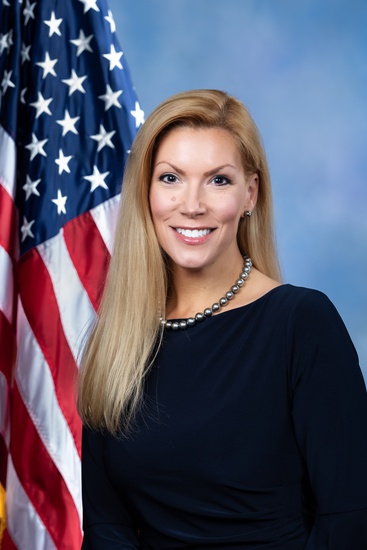
Rep. Beth Van Duyne
Sponsored bills
Maddy summaryThe Healthcare Freedom and Fairness Act allows groups of individuals to form "health marketplace pools" that are legally treated as employers for the purpose of offering group health insurance. These pools must be established in good faith without discriminating against members based on their health status and must offer the same coverage options to all participants. The bill permits these pools to provide plans that include prescription drugs or, in some cases, only drug coverage, while also allowing them to offer administrative services like billing and enrollment. By redefining these pools as employers under existing federal law, the legislation aims to facilitate the creation of private health insurance arrangements that operate outside traditional employer-employee relationships.
Maddy summaryThis bill strengthens oversight of Medicare hospice programs and home health agencies to prevent fraud and ensure quality care. It requires more frequent inspections for newly enrolled or recently changed agencies and mandates stricter screening for applicants in high-risk areas, including fingerprinting and proof of insurance. The legislation also adjusts financial penalties for failing to submit quality data and requires accreditation organizations to meet higher training and survey standards. Additionally, the bill improves patient communication by mandating clearer notices when individuals enroll in hospice care and establishes a five-year reporting requirement to track enforcement actions against these providers.
Maddy summaryThis bill would add pharmacist services to Medicare Part B coverage for beneficiaries, specifically covering pharmacist-led testing and treatment for illnesses like flu, COVID-19, or strep throat during public health emergencies. It defines covered services as those performed under state law, often requiring collaboration with a physician, and sets payment at 80% of the lesser of the actual charge or 85% of physician payment rates. Pharmacists would be prohibited from balance billing for these services, ensuring Medicare beneficiaries pay only their standard copayment. The changes would take effect January 1, 2026.
Maddy summaryThe Dietary Supplements Access Act allows individuals to use funds from specific tax-advantaged health accounts to purchase dietary supplements without paying income taxes on those withdrawals. This legislation directly affects holders of Health Savings Accounts, Archer Medical Savings Accounts, and Health Flexible Spending Arrangements by permitting up to $500 per year in tax-free spending on these products, with a lower limit of $250 for married couples filing separately. The bill explicitly defines dietary supplements according to federal law but excludes energy drinks, soft drinks, and sodas from this benefit. These tax advantages will only become effective for expenses incurred after December 31, 2025.
Maddy summaryThe CAL Repayment Act requires states to immediately use any federal funds received for unemployment insurance to repay outstanding advances before spending them on other purposes. This rule applies to all states and mandates that they make these repayments within five business days of the funds becoming available. If a state fails to follow this order and uses the money elsewhere first, it must return the full amount to the federal government within five days of being notified. The law takes effect for any unemployment insurance funds awarded after the bill is enacted.
Maddy summaryHR 6444 establishes a VA-DoD task force to improve care for veterans and active-duty service members diagnosed with blast-related injuries like traumatic brain injury (TBI) or PTSD. The task force will coordinate research on specific issues (e.g., sleep therapy, gut health, brain inflammation), develop clinical baselines, and create guidelines for evaluating disability claims related to blast exposure. It must report annually to Congress on research progress and claim evaluation recommendations, and will expire on September 30, 2029. The bill directly affects veterans and service members with blast exposure symptoms by focusing research and care coordination on their specific health needs.
This resolution expresses support for police officers and other law enforcement personnel. The resolution further recognizes law enforcement officers across the United States in the pursuit of preserving safe and secure communities; the need to ensure that such officers have the equipment, training, and resources necessary to protect their health and safety while they are protecting the public; and the law enforcement community for acts of sacrifice and heroism. The resolution expresses condolences and appreciation to the loved ones of each law enforcement officer who has made the ultimate sacrifice in the line of duty.
Maddy summaryThis bill increases loan limits for small manufacturers under two federal programs. It defines "small manufacturer" as a business primarily in U.S. manufacturing sectors (31-33) with all facilities in the U.S. The bill raises the maximum Small Business Administration 7(a) loan limit for these manufacturers from $3.75 million to $7.5 million (capping at $10 million), and doubles the export loan limit from $5 million to $10 million. These changes directly affect qualifying U.S.-based manufacturing businesses seeking federal loan support for operations or exports. The policy modifies specific loan caps without altering other program requirements.
Maddy summaryThis bill would amend federal law to strengthen penalties for organized retail crime by expanding definitions of theft to include digital goods, gift cards, and setting a $5,000 aggregate value threshold for charges over a 12-month period. It would establish a new "Organized Retail and Supply Chain Crime Coordination Center" under Homeland Security to coordinate Federal, State, local, and Tribal law enforcement efforts against cross-jurisdictional theft groups. The Center would share information with retailers, transportation companies, and law enforcement agencies, track crime trends, and produce annual reports on organized retail crime. This legislation directly affects retailers, supply chain businesses, and law enforcement agencies, while targeting organized crime groups responsible for a 93% increase in larceny incidents and rising safety concerns for retail employees. The bill aims to address significant financial losses and supply chain disruptions noted in the National Retail Federation's 2023 data.