

Maddy summaryThe Great American Healthcare Plan is a comprehensive bill that modifies tax rules for Health Savings Accounts, expands access to health insurance through new marketplace pools, and strengthens price transparency for hospitals and medical providers. It allows individuals to use HSAs for wellness expenses like healthy food and gym memberships, lets parents and children access each other's HSA funds, and requires hospitals to publicly list their standard charges and negotiated rates. The legislation also mandates that administrative service providers share detailed pricing data with health plans and creates a mechanism for pharmacists and nurses to dispense certain low-risk prescription drugs under expanded access.
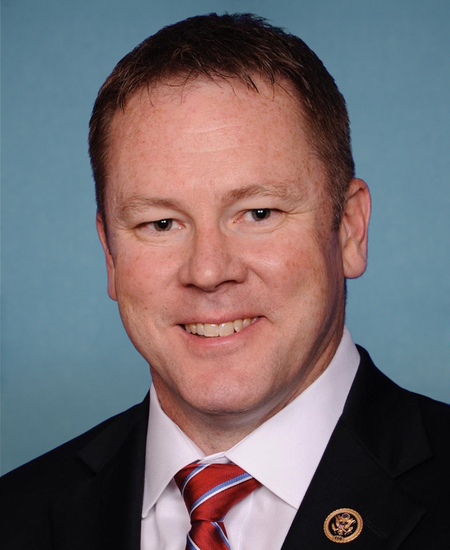
Rep. Warren Davidson
Sponsored bills
Maddy summaryThe DPA Modernization Act of 2026 updates the Defense Production Act of 1950 to strengthen national defense manufacturing and supply chain resilience. It creates a Defense Production Act Committee with specific roles, establishes a Defense Production Act Fund with a new Fund manager, and adds new provisions for critical minerals resilience. The bill increases funding limits for certain programs (e.g., raising caps from $10,000 to $100,000) and requires new reporting requirements to improve transparency. It also creates a Defense Production Act Dashboard for tracking activities and adds fraud risk management requirements. The bill affects Federal agencies that use the Defense Production Act authorities to support national defense manufacturing and supply chains.
Maddy summaryThis bill requires the President to develop a National Veterans Strategy every four years to coordinate government, nonprofit, and private sector efforts aimed at improving veterans' well-being across health, economic, education, and social areas. The President must establish specific metrics to measure veteran success in these areas and consult with a wide range of stakeholders including federal agencies, state and local governments, veterans service organizations, and the general public. The bill also includes a provision allowing Congress to disapprove the strategy within 60 days of submission, and mandates annual reports on implementation progress along with quadrennial reviews to assess effectiveness and update the strategy as needed.
Maddy summaryHRES 971 is a non-binding resolution condemning China's economic and military actions against Japan following Japanese officials' comments about Taiwan. It specifically addresses China's travel advisory (causing $1.2 billion in tourism losses), a ban on Japanese seafood imports, and military drills near Japanese territory. The resolution reaffirms U.S. support for the U.S.-Japan alliance under their mutual security treaty and calls on China to cease coercion. It emphasizes U.S. commitment to upholding a "free and open Indo-Pacific" based on international law. This resolution directly affects Japan's economy and security, with no new legal obligations but serving as a formal U.S. policy statement.
Maddy summaryThis resolution formally recognizes and honors six members of the Ohio Air National Guard who died in a KC-135 Stratotanker crash over Iraq on March 12, 2026. The bill specifically names the deceased service members and acknowledges their sacrifice during a refueling mission supporting Operation Epic Fury. It expresses the House's condolences to the families of the fallen and pledges that their service will not be forgotten.
Maddy summaryThis bill, known as the American Petroleum First Act, modifies U.S. maritime laws to allow foreign vessels to transport crude oil and petroleum products across American coastal waters. It specifically excludes ships owned, operated, or crewed by Russian or Chinese nationals or governments from this exemption. The legislation aims to increase flexibility for domestic energy transport by permitting non-U.S.-flagged vessels to operate in coastal routes, provided they do not have ties to Russia or China. This change affects shipping companies and maritime operators by expanding the pool of eligible vessels for petroleum transport while maintaining restrictions on vessels from sanctioned nations.
Maddy summaryThis bill, the American LNG First Act of 2026, modifies U.S. maritime laws to allow foreign-owned vessels to transport liquefied natural gas (LNG) within U.S. waters, provided they meet specific ownership and crew restrictions. It directly affects ship operators and the LNG industry by creating an exemption from coastwise laws that typically require vessels transporting domestic goods to be U.S.-built and U.S.-flagged. The key provision excludes vessels owned or crewed by Russian or Chinese nationals, as well as those flagged to Russia or China, from this exemption. By allowing eligible foreign vessels to carry LNG while maintaining restrictions on Russian and Chinese entities, the bill aims to increase supply options without opening access to competitors from sanctioned countries.
Maddy summaryThis bill creates a new provision (Section 238A) in immigration law requiring the Department of Homeland Security to expedite the removal (deportation) of certain non-citizens. It directly affects individuals who are: (1) criminal gang members or members of a foreign terrorist organization, or (2) convicted of specific serious crimes including felonies, assaults against vulnerable groups (defined as children under 16, pregnant women, disabled individuals, or seniors over 65), sexual offenses, domestic violence, or child exploitation crimes. The bill mandates mandatory detention and faster removal proceedings for these individuals, and explicitly states they cannot seek withholding of removal (a form of protection from deportation). It does not change existing immigration categories but adds these specific grounds for expedited removal.
Maddy summaryThe Fiscal Contingency Preparedness Act (HR 4642) requires the Treasury Secretary and OMB Director to annually examine how the federal government would respond to major crises like recessions, pandemics, natural disasters, or cyberattacks, including their short- and long-term fiscal impacts. It mandates these assessments be included in an existing annual report and specifies key crisis types to evaluate. The Government Accountability Office (GAO) must then review the methodology and results of these assessments within one year of the first report. The bill directly affects federal agencies responsible for fiscal planning (Treasury and OMB) but does not create new spending or alter existing programs. It focuses solely on improving preparedness through structured risk analysis.
Maddy summaryThis bill, the Government Surveillance Reform Act of 2026, establishes new legal restrictions on how federal agencies collect, query, and retain data from Americans and people located in the United States for foreign intelligence purposes. Key provisions include banning warrantless searches of domestic communications, prohibiting the use of foreign intelligence surveillance to specifically target Americans ("reverse targeting"), and requiring warrants for accessing certain types of data like location information and web browsing records. The legislation also mandates stricter accuracy standards for surveillance applications, requires the destruction of unneeded data within five years, and creates new accountability measures for federal employees who violate these rules. Additionally, the bill enhances transparency by requiring detailed annual reports on surveillance activities and expands the ability of independent reviewers to access classified court documents.