Issue · Labor & Employment

Labor & Employment

Every labor & employment bill, vote, and legislator stance in Washington, automatically classified by Maddy, our AI policy reader.

Total bills
308
2025-2026 Regular Session
Top supporter
Tina Orwall
95% support rate
Top opponent
Shelly Short
9% support rate
Ranked legislators
10
5 support · 5 oppose
Key legislators

Who's moving labor & employment in Washington

Legislators moving labor & employment in Washington
Legislator Party Stance Support rate Votes
Tina Orwall
Tina Orwall Senate · District 33
D
Strong +
95% 154
Annette Cleveland
Annette Cleveland Senate · District 49
D
Strong +
93% 159
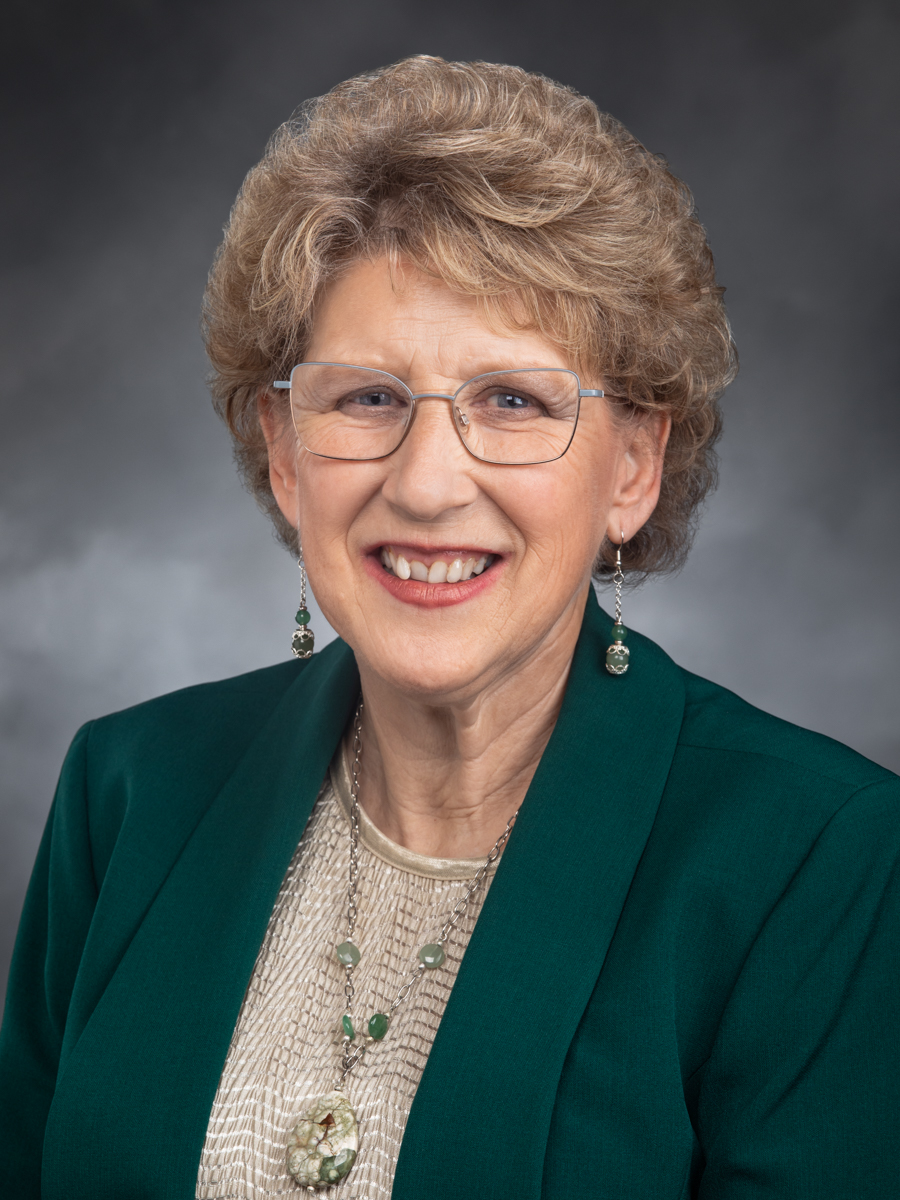
T'wina Nobles
T'wina Nobles Senate · District 28
D
Strong +
93% 155
June Robinson
June Robinson Senate · District 38
D
Strong +
93% 159
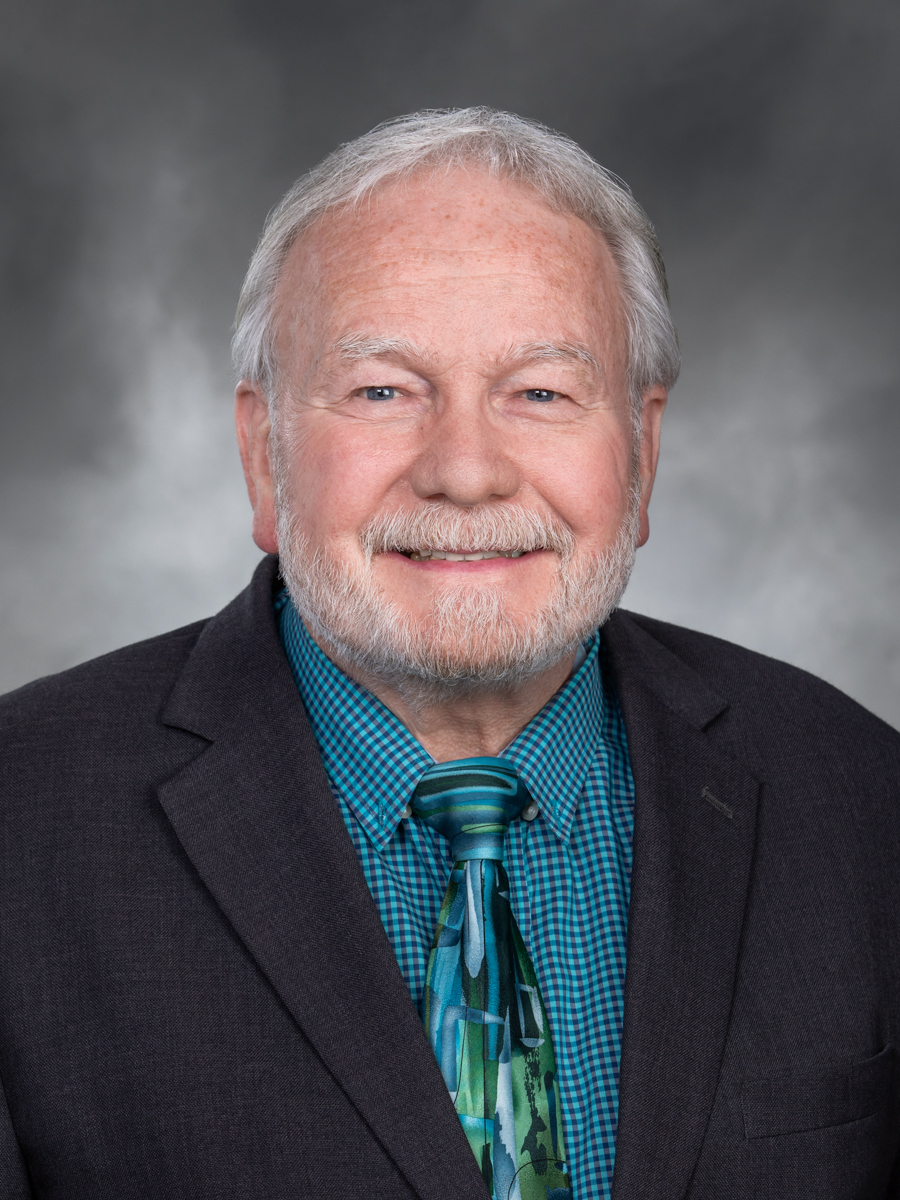
Jamie Pedersen
Jamie Pedersen Senate · District 43
D
Strong +
93% 159
Shelly Short
Shelly Short Senate · District 7
R
Strong −
9% 159
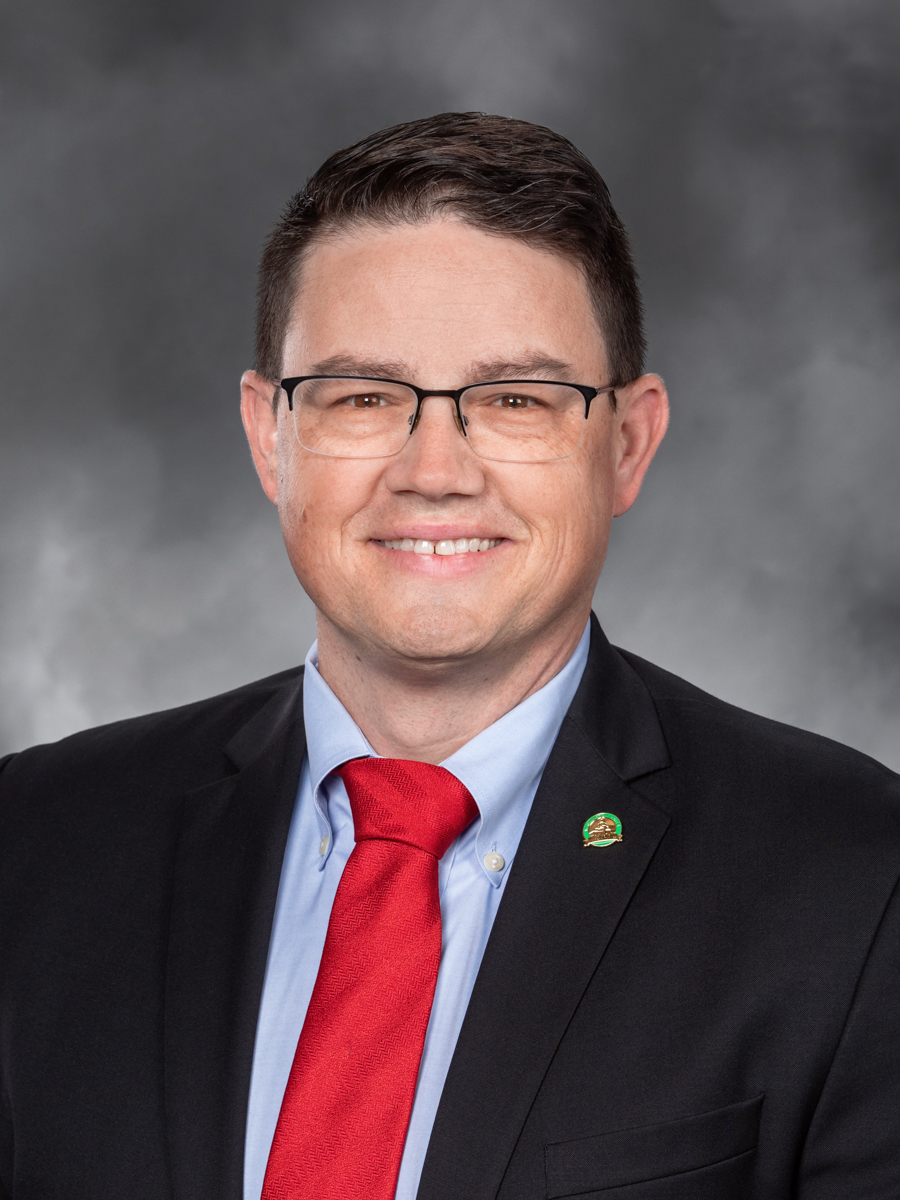
Chris Corry
Chris Corry House · District 15
R
Strong −
10% 180
Leonard Christian
Leonard Christian Senate · District 4
R
Strong −
10% 159
Jim McCune
Jim McCune Senate · District 2
R
Strong −
10% 159
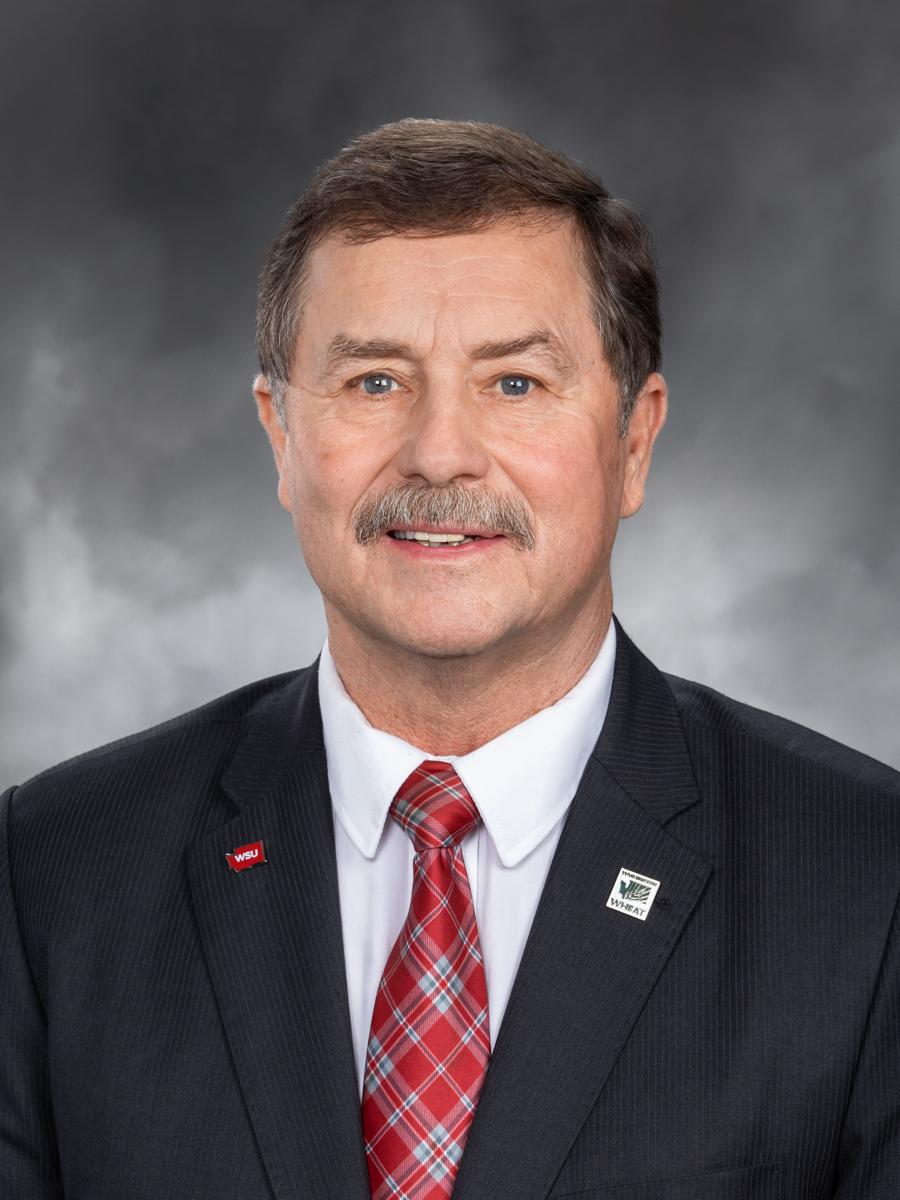
Mark Schoesler
Mark Schoesler Senate · District 9
R
Strong −
12% 159
Showing 41–50 of 308 bills

All labor & employment bills

signed · Washington · House Mar 14, 2026

HB 2479: Concerning the recovery of unpaid wages.

HB 2479 streamlines the process for workers to recover unpaid wages in Washington State. It requires the Department of Labor to investigate wage complaints within 60 days (extendable with notice), limits claims to unpaid wages from the past three years, and mandates employers to pay owed wages plus 1% monthly interest. For willful violations, employers face fines of at least $1,500 or 10% of unpaid wages (adjusted for inflation starting 2030), with penalties deposited into a new "wage recovery account." The bill directly affects workers who haven’t received pay and employers who owe wages, while giving the department expanded authority to investigate multiple violations under a single complaint.
in committee · Washington · House Jan 22, 2026

HB 2622: Concerning comparison factors that must be considered in interest arbitration for correctional employees regarding wages, hours, and conditions of employment.

HB 2622 requires arbitrators to consider specific factors when resolving wage, hour, and working condition disputes for Washington Department of Corrections employees (excluding confidential staff and internal auditors) through interest arbitration. Key provisions mandate that arbitrators evaluate the department’s financial ability to pay, compare wages/hours/conditions to similar correctional workers in other western U.S. state employers and Washington local governments, assess retention needs, and review current total compensation (including benefits and paid time off). This law aims to standardize arbitration outcomes by focusing on regional pay benchmarks and operational realities. The bill amends existing law (RCW 41.80.200) to formalize these comparison requirements during dispute resolution.
in committee · Washington · Senate Feb 26, 2026

SB 6152: Including physical and occupational therapists as attending providers for workers' compensation.

SB 6152 adds physical therapists and occupational therapists to the list of authorized "attending providers" for workers' compensation claims in Washington State. This means injured workers can now choose these therapists for treatment, and employers/insurers must cover their services as part of approved care. The bill amends specific statutes (RCW 51.08.200, 51.28.010, and 51.28.020) to include these professions in the definition of eligible providers, alongside existing options like physicians and chiropractors. It directly affects injured workers seeking treatment, insurers processing claims, and healthcare providers who can now bill under workers' compensation. The change expands provider choice without altering benefit eligibility or compensation amounts.
in committee · Washington · House Jan 13, 2026

HB 2450: Maintaining food assistance for certain individuals affected by federal eligibility requirements.

HB 2450 creates a Washington state food assistance program to replace federal SNAP benefits for specific vulnerable groups disqualified due to federal work requirements. It directly affects seniors (55+), foster youth (age 24 or younger who were in foster care at 18), veterans, homeless individuals, and families with children under 18. The bill allows the state to mirror federal SNAP rules but exempts these groups from work requirements, limits state benefits to the remaining federal work requirement period, and permits using the federal coupon system or state vouchers. This policy change ensures continued food assistance for those losing federal eligibility due to federal policy changes.
in committee · Washington · Senate Jan 12, 2026

SB 6043: Recognizing Rosh Hashanah, Yom Kippur, and Hanukkah.

This bill adds Hanukkah, Rosh Hashanah, and Yom Kippur to Washington state's official list of recognized religious observances. It does not create new paid holidays but ensures these specific Jewish holidays are included in the state's list of days employees may reference when requesting two unpaid religious days under existing law (RCW 1.16.050(3)). State employees and political subdivisions (including schools and public institutions) may still request these days as unpaid time off for religious observance, subject to the same employer guidelines and "undue hardship" standards as other religious holidays.
in committee · Washington · House Jan 12, 2026

HB 2392: Requiring building and construction contractors to use a skilled and trained workforce for performing work at certain hazardous facilities.

HB 2392 requires building and construction contractors working at specific hazardous facilities - including pulp mills, power plants, and nuclear facilities - to use a "skilled and trained workforce" for all on-site construction work in apprenticeable trades. This means contractors must ensure their on-site workers are either registered apprentices or skilled journeypersons (with at least 30% of journeypersons being apprenticeship graduates by 2027, rising to 60% by 2028) and have completed 20 hours of approved safety training within the prior three years. The law applies to contracts awarded on or after January 1, 2027, with limited exemptions for owner-employees, temporary workforce shortages, and emergencies. It directly affects contractors performing work at covered facilities, aiming to standardize workforce qualifications and safety training for high-risk environments.
signed · Washington · House Mar 14, 2026

HB 2309: Reducing barriers to state employment by eliminating postgraduate degree requirements that are unnecessary.

HB 2309 eliminates unnecessary postgraduate degree requirements for most state jobs in Washington. It directly affects state job applicants and current employees by changing hiring standards to allow qualification through experience or other means, unless a degree is legally required for the job's essential functions. The bill amends state law to require that classification plans for state positions not mandate postgraduate degrees as the sole qualification method. This aims to broaden the pool of eligible candidates and align hiring with actual job needs rather than arbitrary educational requirements. The bill passed unanimously in the House during the 2026 legislative session.
passed · Washington · Senate Mar 12, 2026

SJM 8015: Requesting Congress to ensure that federal wildfire response entities have the capacity to protect communities and infrastructure, limit impacts to natural resources and watersheds, and protect wildland firefighter health and safety.

Washington State's Senate Joint Memorial 8015 requests federal agencies to ensure wildfire response capacity by urging the Department of the Interior and Agriculture to: (1) fully staff the consolidated Wildland Fire Service by April 1, 2026, (2) delay further reorganization until national fire activity drops to a low level, and (3) avoid reducing firefighting capacity during consolidation. The memorial addresses concerns about federal staff reductions (5,000 at USFS, 7,500 at Interior) and uncertain impacts on wildfire response teams ahead of the 2026 fire season. It specifically aims to protect communities, infrastructure, natural resources, and firefighter safety through these federal actions. As a non-binding memorial, it seeks to influence federal policy rather than enact new law.
in committee · Washington · Senate Jan 21, 2026

SB 6264: Amending the statewide policy supporting Washington state's economy and immigrants' role in the workplace.

SB 6264 amends Washington state law to prevent state agencies and law enforcement from using public resources to enforce federal immigration laws or discriminate based on immigration status. It requires agencies to stop asking for immigration status when providing services (like driver's licenses or health care) and limits sharing such information with federal authorities, except for criminal investigations or court orders. Key agencies, including the Department of Licensing and Department of Health, must implement these changes by 2021 or 2023. The bill also prohibits school resource officers and police from detaining individuals solely to check immigration status or sharing personal information for immigration enforcement without legal justification.
in committee · Washington · House Feb 19, 2026

HB 2478: Adding discretion to wage enforcement actions.

HB 2478 gives Washington’s Department of Labor & Industries more flexibility when enforcing wage laws. It limits wage enforcement actions to unpaid wages from the past three years (from when the department received violation information), requires prioritizing complaints based on worker harm and severity, and sets clear penalty rules for intentional violations (minimum $1,000 or 10% of unpaid wages, up to $20,000). The bill directly affects workers owed wages, employers who owe payments, and the department’s enforcement process. Key changes include standardized penalty calculations, a 60-day timeline for complaint resolutions, and provisions for waiving penalties if employers pay within 10 business days.
Showing 41 to 50 of 308 bills
Previous 1 4 5 6 31 Next