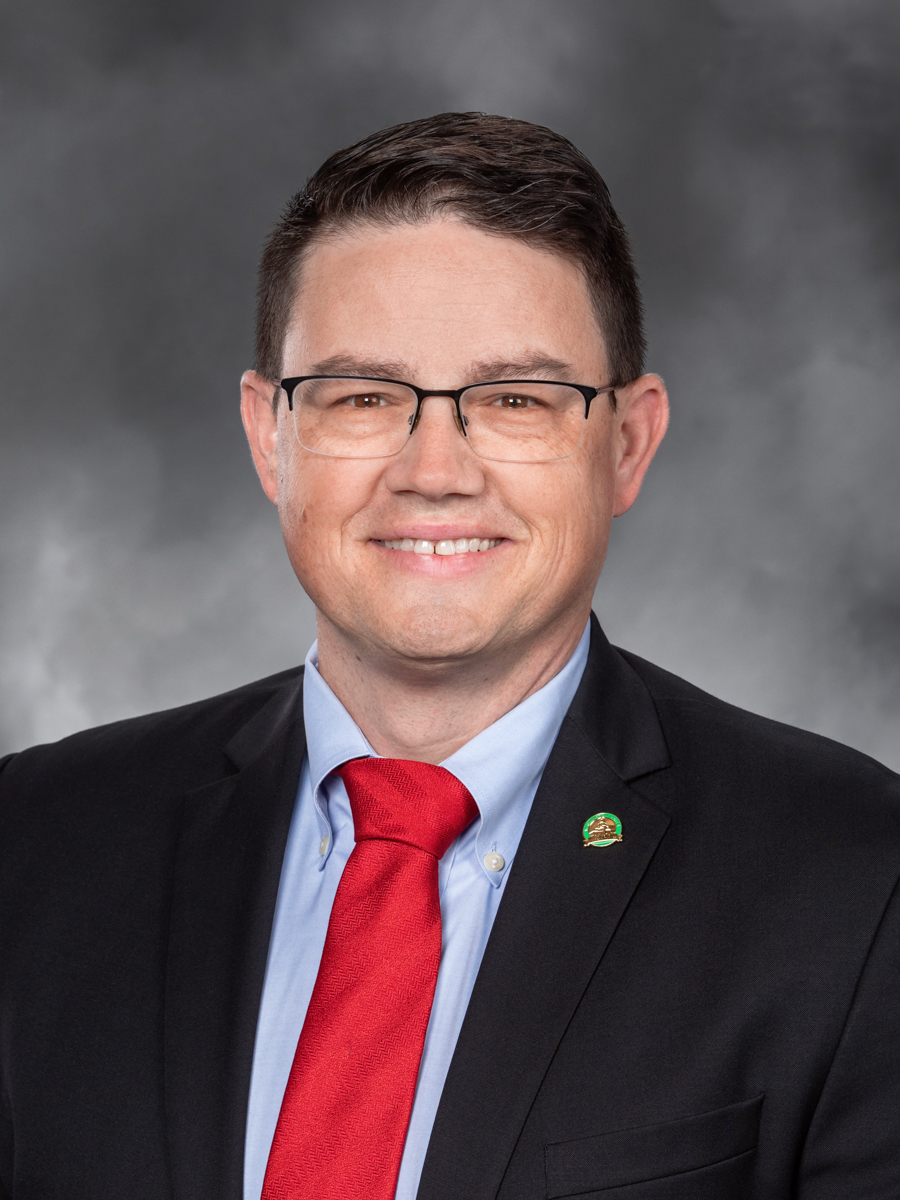
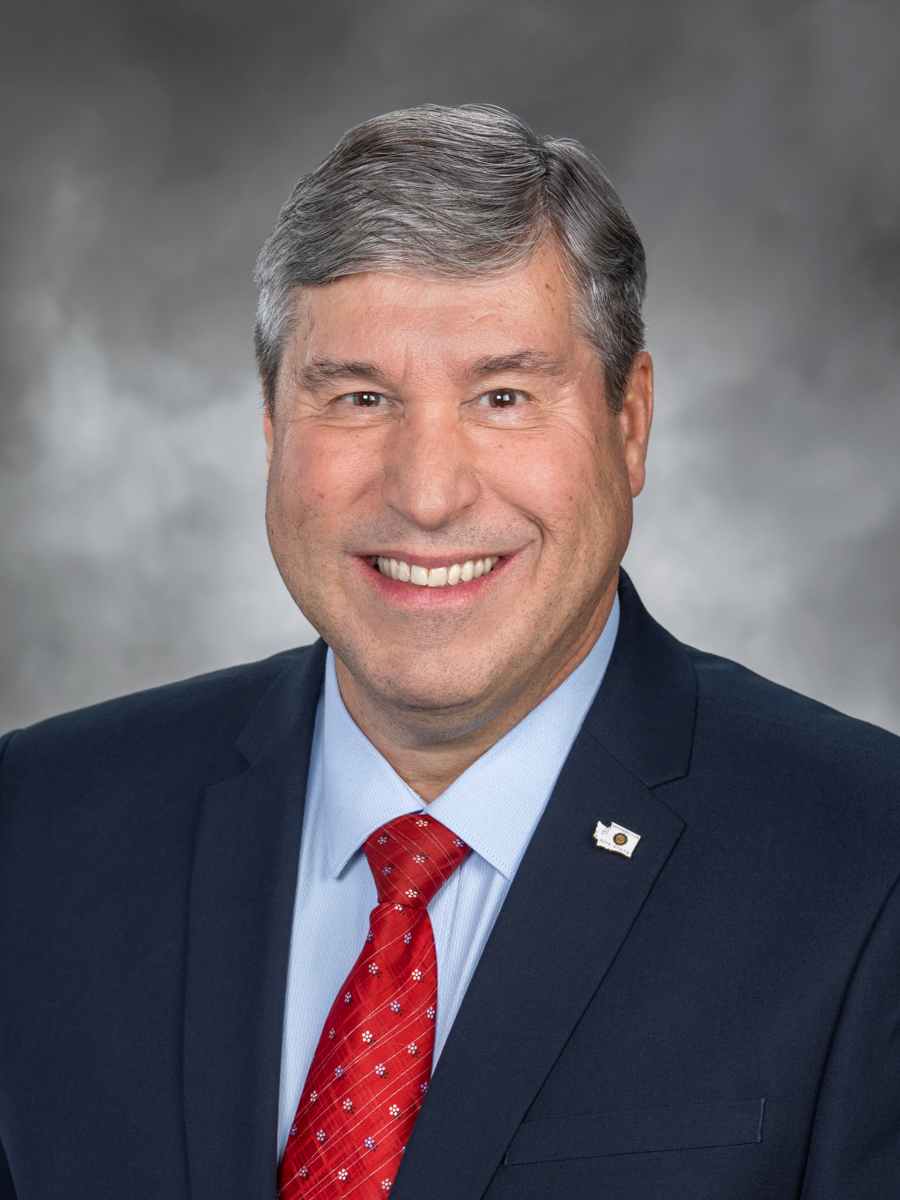
SB 6027 allows Washington counties and cities to impose up to a 0.1% sales tax to fund affordable housing and related services. It requires at least 60% of the revenue to support housing construction, rehabilitation, or services for specific groups including homeless individuals, veterans, seniors, and people with disabilities. The bill limits how funds can be used (capping supplanting of existing local funds at 10%) and mandates that counties coordinate with cities on projects, prioritizing 15% of housing units for residents with local ties. It also permits using funds to offset state/federal reductions and authorizes bonds for housing development.
HB 2266 requires Washington cities and counties to permit permanent supportive housing, transitional housing, indoor emergency shelters, and indoor emergency housing in any zoning district where hotels or residential development is allowed, without imposing stricter rules than those for standard hotels or homes. It standardizes permitting processes, prohibits local governments from restricting these housing types to industrial zones, and mandates that cities/counties meet projected housing needs for emergency shelters. For indoor emergency shelters, the bill requires sponsors to provide written certification of community notification (within 500 feet), one community meeting, a point of contact, and operational policies - without additional requirements. The bill directly affects local governments (by changing zoning rules), housing providers (by streamlining approvals), and people experiencing homelessness (by increasing housing access), aiming to address Washington’s housing crisis through regulatory reform.
SB 6237 requires landlords in Washington to disclose flood risk information to tenants for new rental agreements signed after December 31, 2026. Specifically, landlords must inform tenants if a property is in a flood hazard area, clarify that landlord insurance typically doesn’t cover tenant belongings, and recommend renters’ and flood insurance. They must also provide details on where to access local flood hazard maps from county governments. This law directly affects renters in flood-prone areas and landlords who must include these disclosures in lease agreements. The bill aims to increase transparency about flood risks without changing insurance requirements or costs.
HB 1974 establishes a framework for counties to create land banking authorities aimed at increasing affordable housing. These land banks - public entities or nonprofits - can acquire, hold, and develop land within urban growth areas, requiring at least 33% of housing units to be affordable to extremely low-income households, no more than 33% at market rate, and the remainder for moderate-income residents. The bill mandates 99-year affordability covenants on developed land, prioritizes displacement mitigation, and requires advisory boards reflecting community diversity to oversee land bank activities. It directly affects counties, housing developers, and low/moderate-income residents, particularly in communities disproportionately impacted by housing inequities.
HB 2442 allows Washington counties and cities to impose specific real estate excise taxes to fund local capital projects and affordable housing. It authorizes a 0.25% tax on real property sales for general capital projects (like streets, parks, and sewer systems), with strict usage rules requiring projects to align with comprehensive plans. Additionally, it creates a separate 0.5% tax exclusively for affordable housing development, including acquisition, construction, and maintenance for low- and moderate-income residents. Local governments must document funding plans for future projects and follow voter approval processes for new taxes, while funds must be managed through competitive grant processes for housing initiatives. The bill directly affects local governments by expanding their tax tools for infrastructure and housing priorities.
This bill allows renters and mobile home occupants in Washington to install portable cooling devices (like window units or floor models) without landlord approval, with key exceptions for safety, building codes, or existing heat pumps. Landlords cannot charge fees for installation or restrict devices, but may require proper drainage and 48-hour notice for inspections. They must disclose insurance restrictions on window units in leases and inform tenants of their rights. The law does not override existing disability accommodation requirements or landlord responsibilities for electrical issues caused by tenant devices.
SB 5496 would limit large investment entities (like real estate investment trusts and pooled fund managers) and businesses owning over 50 single-family homes from purchasing additional single-family homes in Washington. It prohibits these entities from acquiring new properties, with limited exceptions for nonprofits, properties needing code modifications, or short-term conversions to multifamily housing. Violations could result in a $100,000 penalty per violation and require the property to be sold to a third party within one year. The bill aims to increase housing availability for residents by restricting large-scale investor purchases, which the legislature cites as contributing to the state's housing affordability crisis. The bill is currently pending in the Senate Rules Committee and has not advanced to final passage.
Senate Bill 5647 establishes a new exemption from the real estate excise tax for the sale of properties designated as "qualified affordable housing." This means that sellers of these specific types of affordable homes would not be required to pay this tax. The bill achieves this by amending the existing state law that defines what constitutes a "sale" for real estate excise tax purposes, adding this new category of exempt transactions. This policy change aims to reduce the tax burden associated with the sale of affordable housing.
HB 1687 clarifies definitions and expands support mechanisms for social housing public development authorities in Washington State. It defines "social housing" as publicly owned rental housing available to all income levels (low, moderate, and high-income households) with cross-subsidized rents, and establishes specific income thresholds based on HUD data. The bill enables state and local governments to provide property, infrastructure, or funding to these authorities without standard bidding requirements, while requiring five days of public notice for such transactions. It directly affects social housing authorities, state/local governments, and residents of subsidized housing projects across Washington. The legislation focuses on structural changes to housing authority operations, not on new funding or outcomes.
HB 1859 allows Washington religious organizations to develop affordable housing on their properties with increased density allowances. To qualify, at least 50% of units must be permanently affordable for low-income households (earning at or below 80% of local median income) for 50 years, with no discrimination based on protected characteristics. Religious organizations must cover all development fees and costs, and local governments must approve such projects if requested. This applies to new construction and rehab projects on religiously owned land, amending zoning laws to support affordable housing expansion.