

Issue · Healthcare
Healthcare
Every healthcare bill, vote, and legislator stance in Washington, automatically classified by Maddy, our AI policy reader.
Total bills
472
2025-2026 Regular Session
Top supporter
Steve Conway
92% support rate
Top opponent
Jim McCune
10% support rate
Ranked legislators
10
5 support · 5 oppose
Key legislators
Who's moving healthcare in Washington
| Legislator | Party | Stance | Support rate | Votes |
|---|---|---|---|---|

Steve Conway
Senate · District 29
|
D |
Strong +
|
92% | 112 |

Sharon Shewmake
Senate · District 42
|
D |
Strong +
|
92% | 112 |

June Robinson
Senate · District 38
|
D |
Strong +
|
92% | 112 |

Claire Wilson
Senate · District 30
|
D |
Strong +
|
92% | 112 |

Jamie Pedersen
Senate · District 43
|
D |
Strong +
|
92% | 112 |

Jim McCune
Senate · District 2
|
R |
Strong −
|
10% | 110 |

Leonard Christian
Senate · District 4
|
R |
Strong −
|
11% | 112 |

Matt Boehnke
Senate · District 8
|
R |
Strong −
|
13% | 111 |

Phil Fortunato
Senate · District 31
|
R |
Strong −
|
17% | 112 |
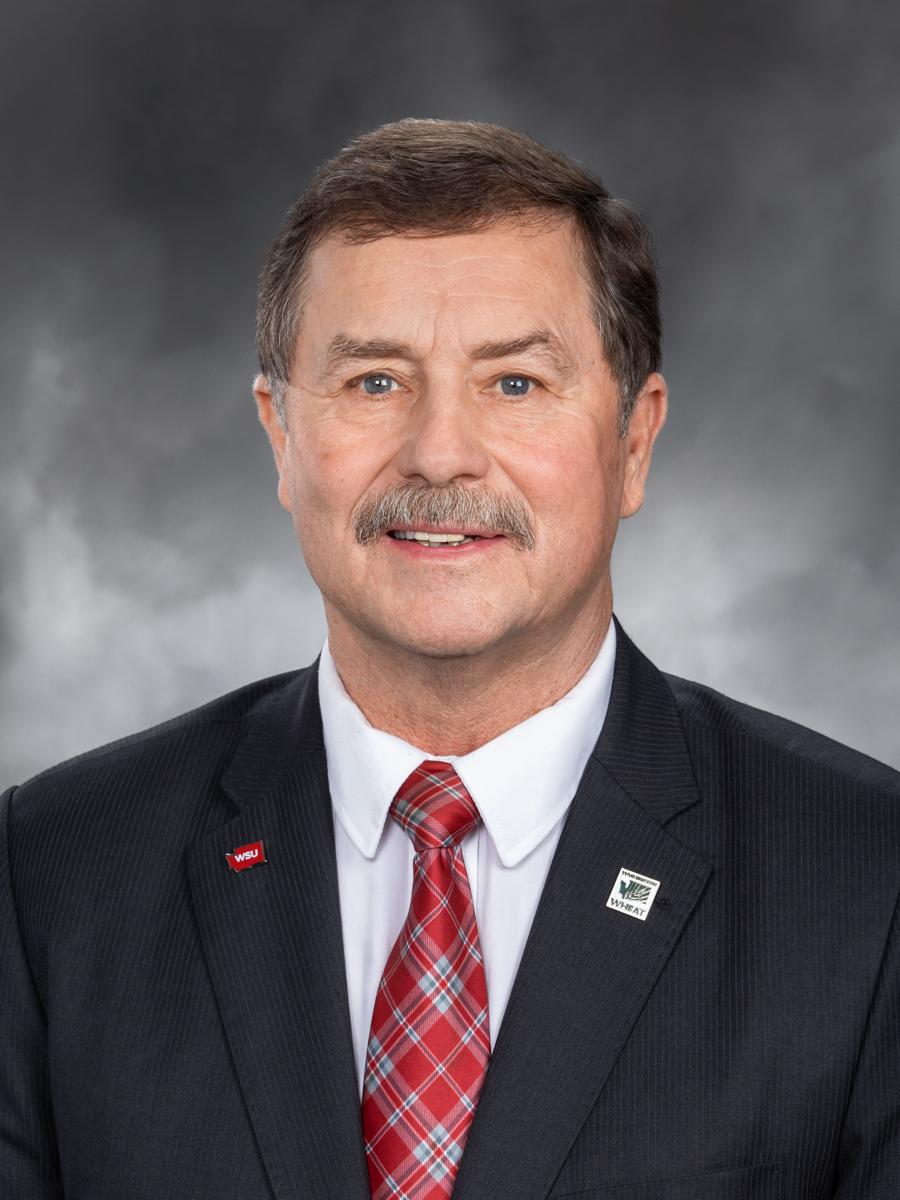
Mark Schoesler
Senate · District 9
|
R |
Strong −
|
17% | 112 |
Showing 311–320 of 472
bills
All healthcare bills
HB 1743: Enhancing opportunities for community-based providers to provide health care services in carceral settings.
Topics
✓ Budget & TaxesSupports Budget & TaxesBill creates state reimbursement program for malpractice claims, increasing state spending on health care services in jails, thus funding a public service.
✓ Criminal JusticeSupports Criminal JusticeBill provides state reimbursement for malpractice claims enabling healthcare access in jails, improving inmate medical care and aligning with criminal justice reform goals.
✓ HealthcareSupports HealthcareProvides state reimbursement for malpractice claims, enabling community health providers to offer services in jails, improving healthcare access in carceral settings.
Sub-Topics
Corrections
HB 1070: Concerning industrial insurance coverage for posttraumatic stress disorders affecting correctional facility workers.
Topics
✓ HealthcareSupports HealthcareMandates insurance coverage for PTSD claims as occupational disease, expanding mental health coverage for correctional workers under state workers' compensation.
✓ Labor & EmploymentSupports Labor & EmploymentPresumes PTSD work-related for correctional workers after 90 days, easing access to benefits and strengthening workplace safety protections for a high-risk occupation.
Sub-Topics
Insurance
SB 5652: Reducing environmental and health disparities and improving the health of Washington state residents in large port districts.
Topics
✓ EnvironmentSupports EnvironmentMandates environmental justice plans, health impact assessments, and public mitigation strategies for port projects to address pollution-related health disparities in overburdened communities.
✓ HealthcareSupports HealthcareMandates health impact assessments and equity plans to address environmental health disparities in port communities, directly advancing public health outcomes per bill's focus on health disparities and mitigation strategies.
Sub-Topics
Environmental Justice
SB 5299: Concerning general supervision of diagnostic radiologic technologists, therapeutic radiologic technologists, and magnetic resonance imaging technologists by licensed physicians.
Sub-Topics
Telehealth
SB 5089: Concerning funding rural county coroners and medical examiners.
Topics
✓ Budget & TaxesSupports Budget & TaxesProvides six years of state funding for rural county coroner services, ensuring fiscal support for essential government functions without increasing local tax burdens.
✓ Criminal JusticeSupports Criminal JusticeFunds rural coroner/medical examiner services, ensuring legal compliance for death investigations critical to criminal justice system.
✓ HealthcareSupports HealthcareFunds rural coroner/medical examiner services, directly supporting healthcare infrastructure for medical professionals and public health compliance.
SB 5295: Updating Washington's sexual assault survivor bill of rights.
Topics
✓ Criminal JusticeSupports Criminal JusticeBill mandates specific victim protections (free exams, referrals, notices) for sexual assault survivors interacting with law enforcement, courts, and medical facilities, strengthening victim rights within criminal justice system.
✓ HealthcareSupports HealthcareBill mandates free medical forensic exams and referrals to sexual assault programs, directly improving access to healthcare services for survivors.
HB 1213: Expanding protections for workers in the state paid family and medical leave program.
Topics
✓ Budget & TaxesSupports Budget & TaxesClarifies premium collection methods for state paid leave program, ensuring proper fiscal management and program funding continuity.
✓ HealthcareSupports HealthcareExpands protections for workers in medical leave program, enhancing access to healthcare services through improved eligibility outreach and employer compliance enforcement.
✓ Labor & EmploymentSupports Labor & EmploymentBill explicitly expands worker protections in paid leave program via enhanced outreach, employer compliance audits, and clarified premium rules, directly strengthening employment standards.
HB 1864: Transporting patients by ambulance to facilities other than emergency departments.
HB 1392: Creating the medicaid access program.
Topics
✓ Budget & TaxesSupports Budget & TaxesImplements annual assessment on health carriers to fund Medicaid program, increasing state revenue for essential healthcare services.
✓ HealthcareSupports HealthcareBill creates Medicaid Access Program funded via assessments on health carriers to expand coverage, directly advancing healthcare access and funding as per summary.