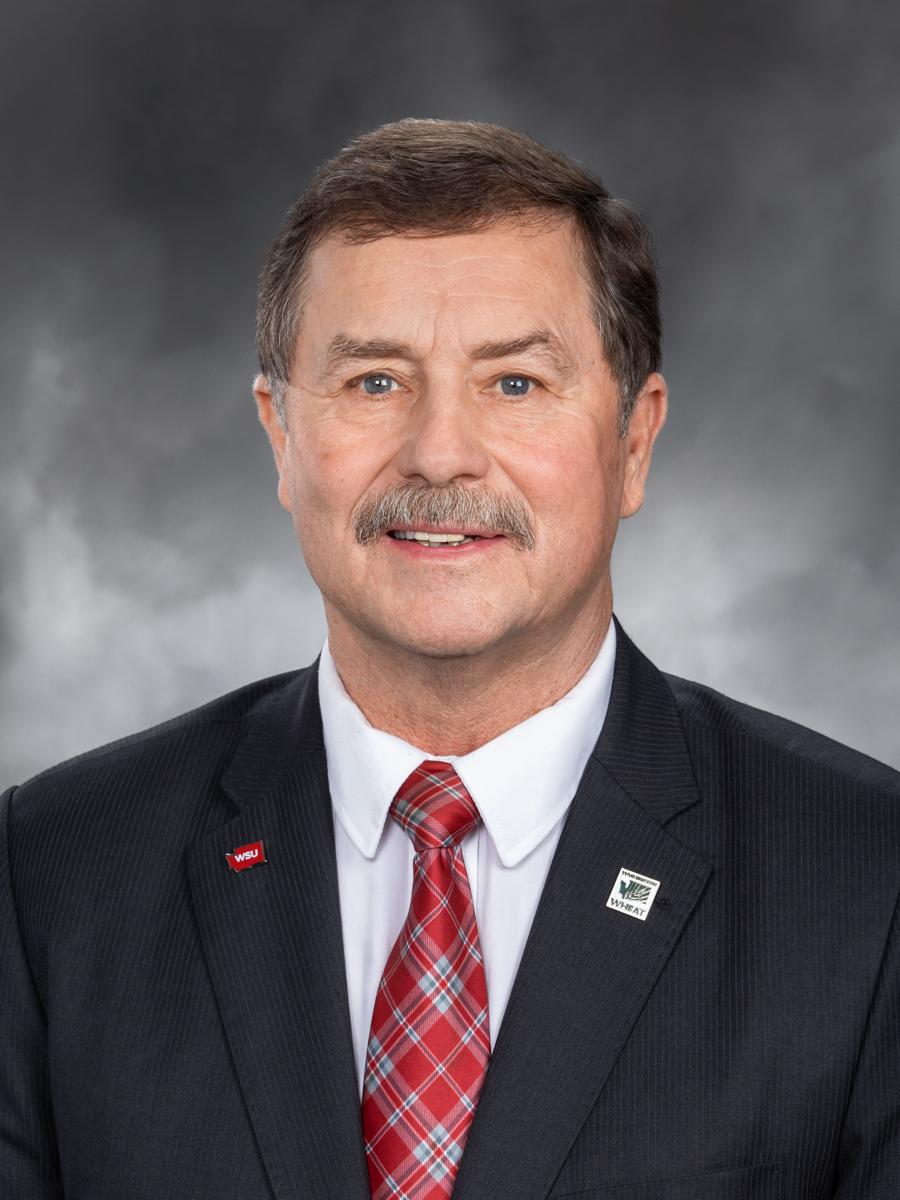
HB 2724 proposes a new tax on Washington residents with annual adjusted gross income of $1 million or more, affecting approximately the top 0.5% of households. The tax revenue would be deposited into the state general fund to support K-12 education, health care, higher education, human services, and the working families' tax credit. Key provisions include exempting sales of family-owned small businesses and real property from the tax, aligning the state definition of taxable income with federal rules (modified for state purposes), and reducing other taxes like sales tax on essential items. The bill aims to make the state tax system less regressive by shifting more burden to high earners while maintaining current tax rates for lower-income residents.
HB 2734 imposes an excise tax on sugar-sweetened beverages (like soda and energy drinks) to fund nutrition assistance programs. The tax revenue would directly support the Supplemental Nutrition Assistance Program (SNAP), food assistance programs, and fruit/vegetable incentive initiatives for low-income residents. The bill specifically prevents state-level waivers that could reduce SNAP funding, ensuring dedicated revenue for food security. It aims to reduce consumption of sugary drinks while addressing disproportionate food insecurity affecting communities of color and low-income households in Washington.
Washington State's SB 6327 would exempt both baby and adult diapers from the state's sales and use tax starting October 1, 2026. This applies to all diapers (washable or disposable) worn by people of any age who require incontinence products, directly reducing costs for families purchasing these essential items. The bill amends Washington's tax codes (chapters 82.08 and 82.12 RCW) to remove these products from taxable sales and use categories. The legislature states this permanent tax change aims to lessen the financial burden on Washington households.
This bill establishes a temporary pilot program allowing Washington state agencies to advance up to 25% of a grant (capped at $200,000) to eligible public benefit nonprofits. It directly affects nonprofits that received state grants for public health, safety, welfare, or state benefit programs within six months, have a budget under $5 million, and have operated for at least three years with satisfactory past performance. The advance funds must be repaid from future grant payments, require a binding contract, and are limited to one-time use. The program expires June 30, 2029, and requires a 2028 report evaluating its effectiveness and recommending future action.
Washington State's HB 2157 regulates high-risk artificial intelligence systems that make consequential decisions affecting major life areas like housing, employment, healthcare, loans, and education. It applies to developers (with over $100,000 annual revenue) and deployers operating in Washington who use AI systems for these decisions. The law prohibits algorithmic discrimination - unlawful bias based on protected characteristics - and requires systems to be designed and tested to prevent such outcomes, while excluding research activities and certain facial recognition uses.
HB 2332 regulates how Washington state and local agencies use automated license plate reader (ALPR) systems to protect driver privacy. It requires all agencies using ALPRs to register systems with the Attorney General, limits their use to specific purposes (like checking stolen vehicles or missing persons), and prohibits collecting data near healthcare facilities, schools, or places of worship. The bill mandates detailed audit trails tracking every system access and explicitly bans using ALPRs for immigration enforcement or stopping vehicles based solely on a system match. Agencies must develop policies for ALPR use and obtain independent reasonable suspicion before stopping a vehicle, ensuring privacy rights under state and federal law.
Tags
Privacy
HB 2497 addresses the 70% rise in child fatalities and near-fatal abuse cases by supporting families involved with child welfare services. The bill requires the state to provide legal counsel and parent allies for pregnant individuals or new parents at risk of child removal, assign public health nurses to parents of children under four with active investigations, and expand the Parent-Child Assistance Program in high-need areas for families with substance use issues. It also mandates specialized training for child welfare supervisors on safety assessments and improves connections to community services. These changes aim to keep children safe at home while addressing root causes like substance use and lack of support.
SB 6315 requires Washington state agencies to collect and publish disaggregated data on race, ethnicity, sex, and gender identity for all state-funded programs. This affects agencies like Social and Health Services, the Department of Health, and the Department of Transportation, which must now break down data by these categories instead of using broad averages. The bill establishes minimum data collection standards based on federal guidelines for race/ethnicity and existing Washington rules for sex/gender identity, ensuring consistent reporting across departments. Its goal is to prevent biased policy decisions by ensuring data accurately reflects diverse community needs, such as in maternal health services or transit safety planning.
HB 2475 requires Washington state agencies to provide language-accessible public programs, activities, and services in individuals' primary languages (including sign language) across all communication methods. It directly affects non-English speakers, particularly those with limited English proficiency, by mandating consistent service delivery for state benefits, health care, emergency response, and other programs. The bill requires the state office of equity to develop uniform guidelines by December 2027, address interpreter shortages for less common languages, and update guidelines every three years. This law clarifies existing language access obligations under state law without creating new rights or expanding protected classes.
HB 2618 ensures audiologists in Washington can independently decide whether to provide care via telehealth (like video calls) or in-person, without facing different regulatory standards for each method. It directly affects licensed audiologists who fit and dispense hearing instruments by requiring the state board to establish consistent care standards across all service modalities. The bill amends licensing rules to explicitly prohibit regulations that undermine clinical judgment, mandating that any standards for hearing care apply equally whether delivered remotely or in person. This change prevents new rules from forcing audiologists to follow separate protocols for telehealth versus in-person visits. The bill focuses on preserving professional decision-making authority within existing regulatory frameworks.