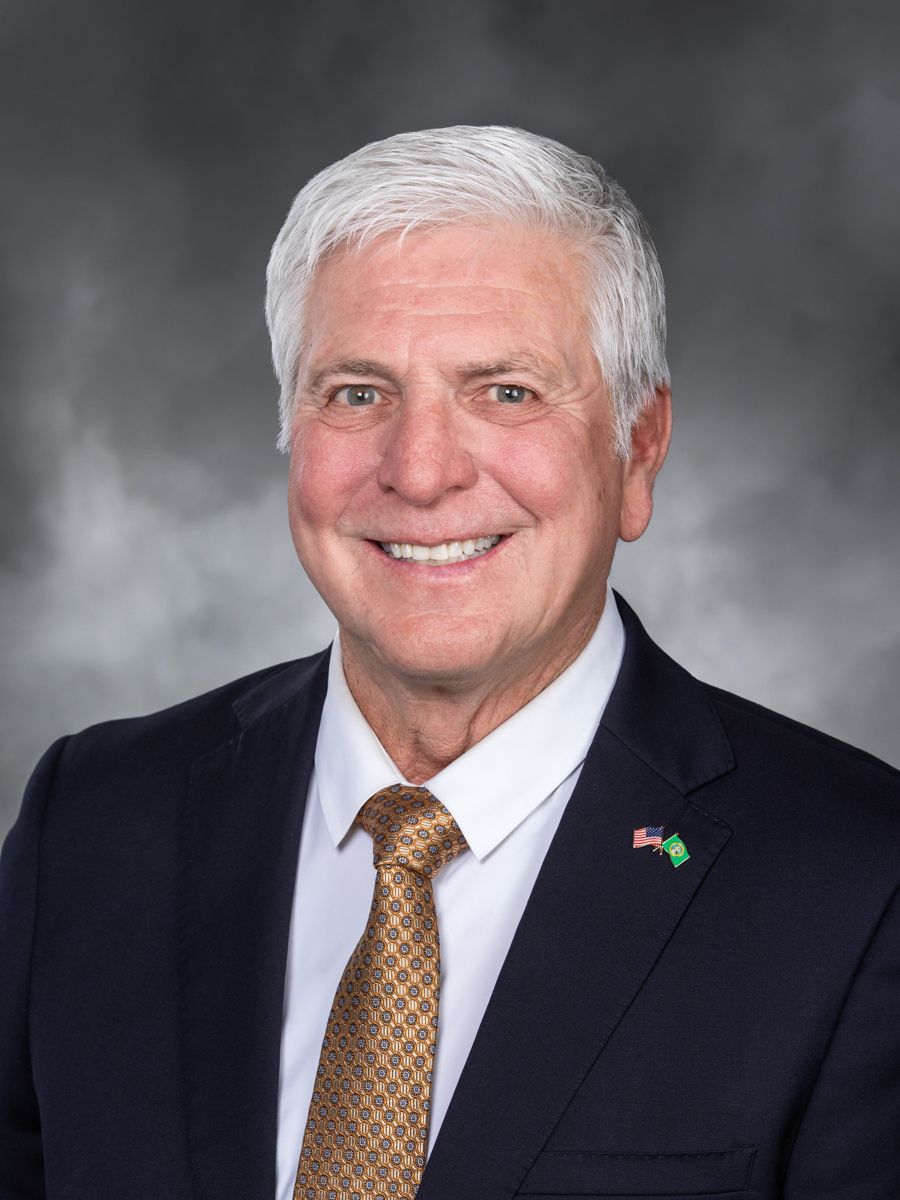
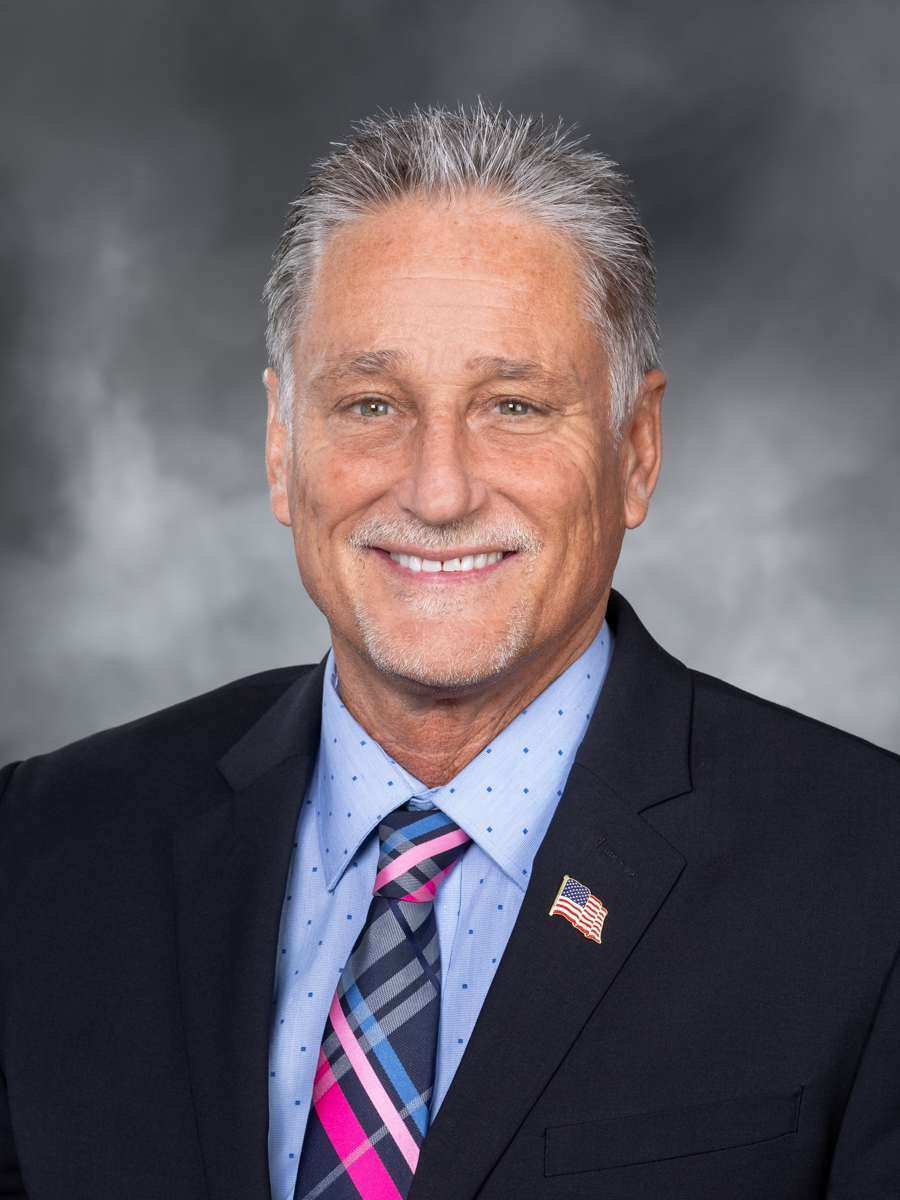
HB 1386 imposes an 11% sales tax on retail purchases of firearms, firearm parts, and ammunition in Washington State. This tax applies to all retail transactions except sales to state, local, or tribal governments for law enforcement use. Revenue from the tax must fund programs focused on suicide prevention, reducing firearm-related domestic violence, and supporting victims' services. The bill directly affects firearm retailers and individual purchasers, with no exemption for government agency purchases.
House Bill 1174 updates Washington state law regarding court interpreters, aiming to secure the rights of persons with limited English proficiency in legal proceedings. It redefines key terms, including replacing "non-English-speaking person" with "person with limited English proficiency" and emphasizing "credentialed interpreters." The bill mandates the appointment of credentialed interpreters for these individuals, but allows for non-credentialed interpreters if "good cause" is found, such as their unavailability. In such cases, the judicial officer must determine the interpreter's ability to interpret accurately and ensure they will abide by the code of professional responsibility. The legislation also expands the scope of "legal proceeding" to cover a broader range of court and administrative hearings.
HB 1378 in Washington state modifies penalties for attempting to elude police vehicles and resisting arrest. It allows law enforcement to impound vehicles used in a first offense and, for repeat offenders (if the operator had a prior vehicle impoundment for eluding), to seize and forfeit the vehicle after a conviction. The law requires law enforcement to notify owners and provide a hearing before forfeiture, with proceeds from selling forfeited vehicles funding traffic safety programs and enforcement related to eluding police. This applies directly to drivers convicted of repeated eluding offenses using a vehicle.
HB 1094 creates a property tax exemption for nonprofit organizations that loan, lease, or rent property to government entities (like cities, counties, or state agencies) for character-building, benevolent, protective, or rehabilitative social services - such as youth programs, homeless shelters, or community health initiatives. It directly affects qualifying nonprofits that provide these services and government agencies using their facilities. The key provision expands existing tax exemptions by allowing property used by government for these purposes to be exempt, even if owned by a nonprofit. This policy change aims to reduce costs for nonprofits and governments delivering essential community services, effective July 2025.
This bill, SB 5296, aims to improve outcomes for juveniles adjudicated of offenses by expanding community placement options. It requires courts to make an independent finding, supported by clear evidence, that commitment to a state facility is necessary to protect the community before sentencing a juvenile to over 30 days of confinement. If this finding is not made, courts may impose local sanctions, electronic monitoring, or suspended dispositions. The bill also specifies factors for courts to consider, such as the juvenile's history, treatment needs, and personal characteristics, when determining the need for confinement.
HB 1274 retroactively removes certain juvenile convictions from sentencing calculations for people incarcerated under sentences imposed before July 23, 2023. It allows eligible individuals - currently incarcerated with a release date on or after July 1, 2026 - to petition for resentencing if they have served specific percentages of their sentence (e.g., 80% by 2026, 60% by 2026, 40% by 2027, or any time after 2028). The bill requires courts to grant resentencing unless the petitioner has serious disciplinary violations, lacks rehabilitation evidence, or poses a high recidivism risk. This applies specifically to those impacted by prior juvenile convictions that were counted in adult sentencing under outdated rules, disproportionately affecting Black, Indigenous, and People of Color.
HB 1982 allows courts to vacate past convictions of tribal members for offenses related to exercising treaty rights, such as fishing, hunting, gathering, or pasturing on tribal lands. It specifically targets convictions for violating historical laws (like former RCW 75.08.260) that criminalized these treaty-protected activities. The bill amends state law to create a process where individuals can petition courts to withdraw guilty pleas, set aside verdicts, or dismiss charges for qualifying offenses, with limited exceptions (e.g., pending charges or violent offenses). This directly affects federally recognized tribal members convicted under such laws before 1975. The law also requires the state to fund legal assistance and public awareness about this process.
Tags
Tribal Nations
Substitute House Bill 1811 aims to enhance crisis response services in Washington state by integrating and supporting "co-response" teams. The bill formalizes co-response as a multidisciplinary partnership between first responders (like law enforcement and EMTs) and human services professionals (such as social workers and behavioral health clinicians). These teams respond to emergency situations, including 911 and 988 calls, involving behavioral health crises and complex medical needs. The goal is to de-escalate situations, divert individuals from the criminal justice system, and provide immediate medical and behavioral health care in the field, benefiting vulnerable populations.
SB 5295 updates Washington's sexual assault survivor bill of rights to align with federal grant requirements. It directly affects survivors of sexual assault (including minors through guardians) and requires medical facilities, law enforcement, prosecutors, and courts to provide specific protections. Key provisions include: free medical forensic exams, written notices about victim compensation and evidence handling, referrals to sexual assault programs, access to advocates throughout legal proceedings, preservation of sexual assault kits upon request, and free copies of police reports. The bill ensures survivors retain all rights regardless of participation in criminal proceedings, with legal remedies limited to court orders for denied rights.
This bill changes Washington state law governing when juveniles can be held in detention before their court case concludes. Juveniles may only be detained if a court finds probable cause they pose a threat to safety, might skip court, or committed specific serious offenses like rape, gun possession, or vehicle theft - where detention is mandatory. It also requires courts to consider community-based alternatives (such as counseling or community service) instead of detention when appropriate, and sets clear conditions for release on probation bonds. The law aims to balance public safety concerns with reducing unnecessary juvenile incarceration.