Issue · Criminal Justice

Criminal Justice

Every criminal justice bill, vote, and legislator stance in Washington, automatically classified by Maddy, our AI policy reader.

Total bills
366
2025-2026 Regular Session
Top supporter
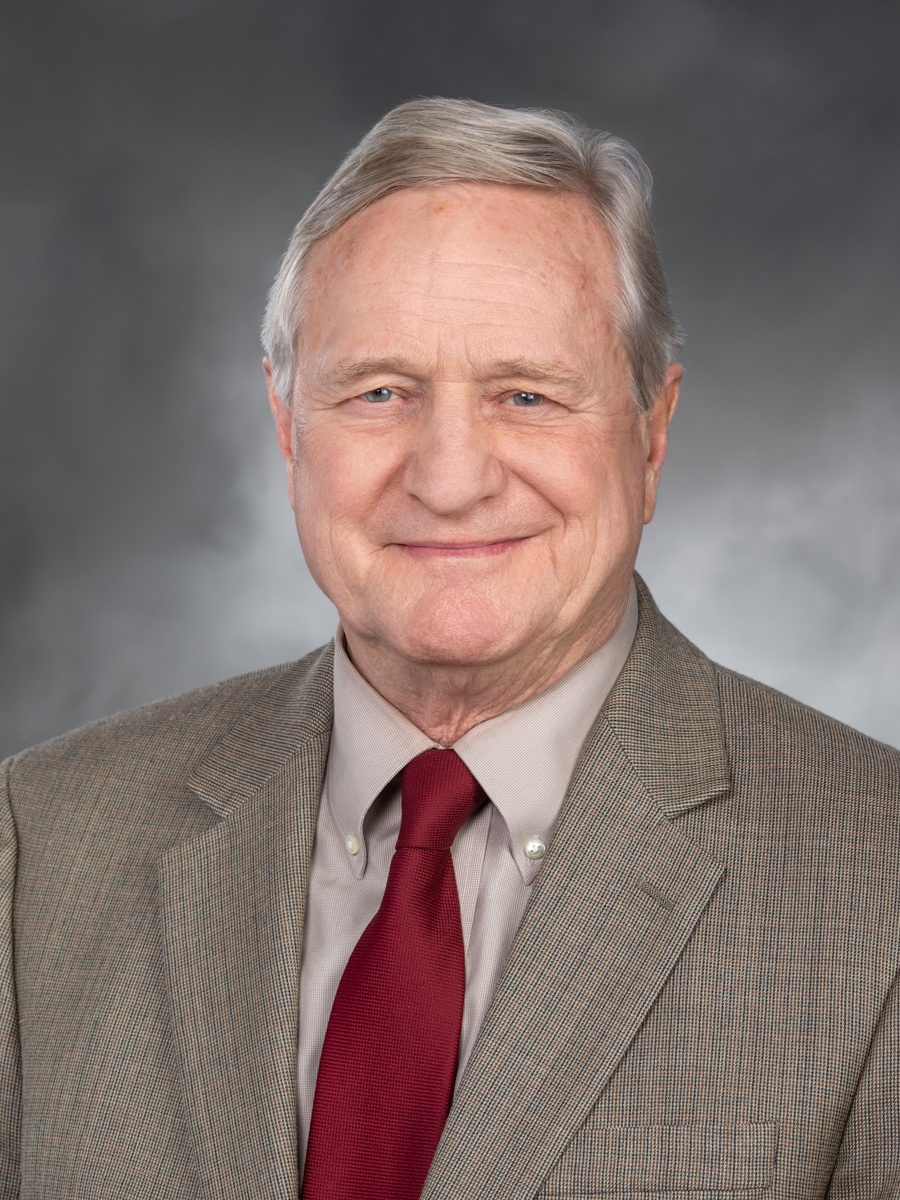
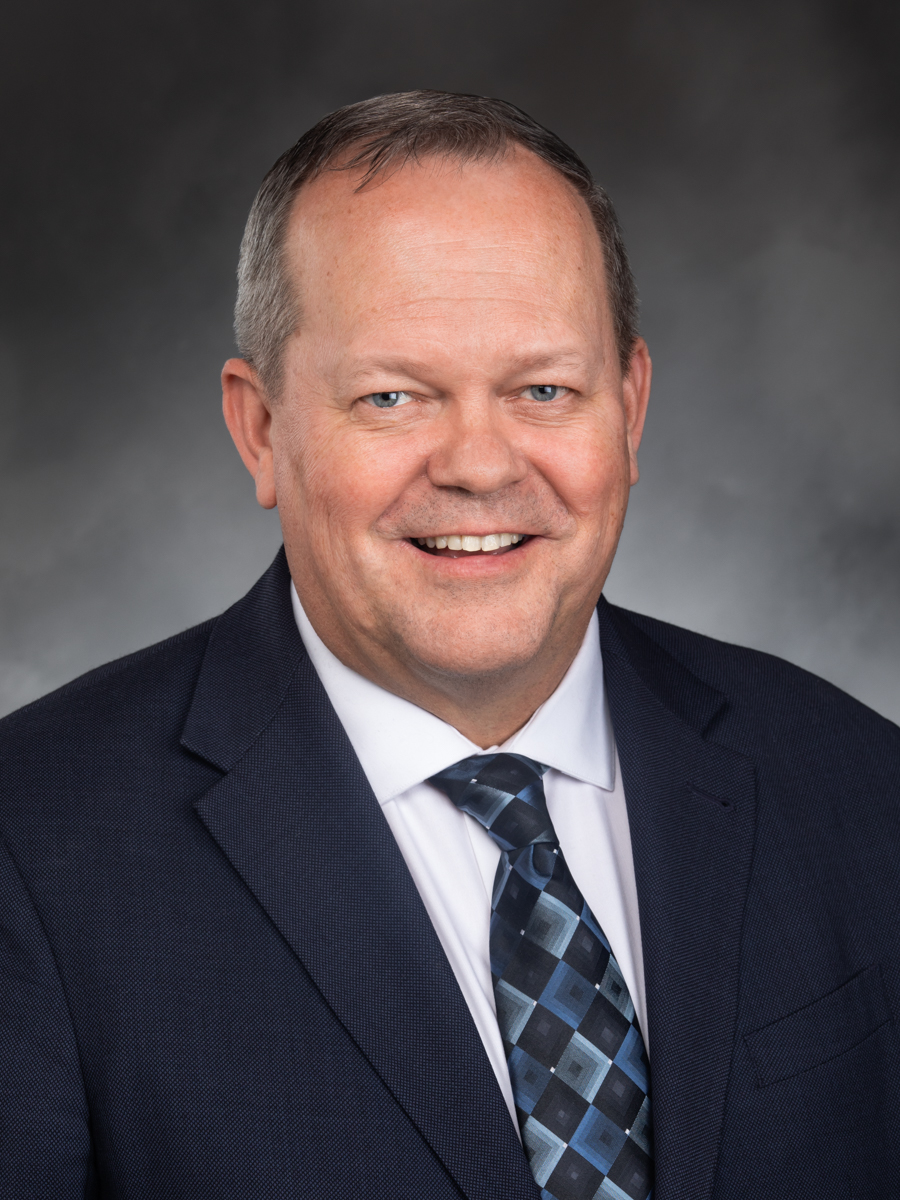
Steve Tharinger
91% support rate
Top opponent
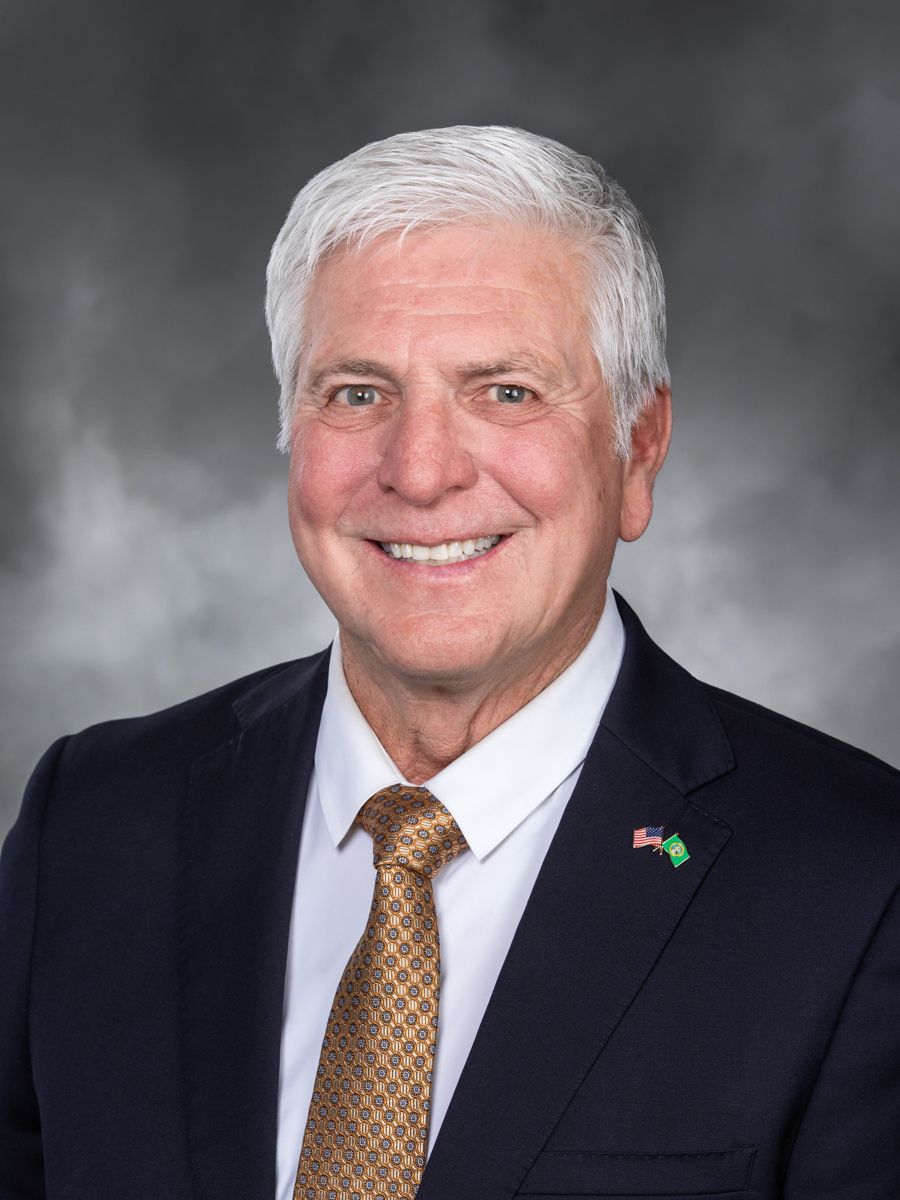
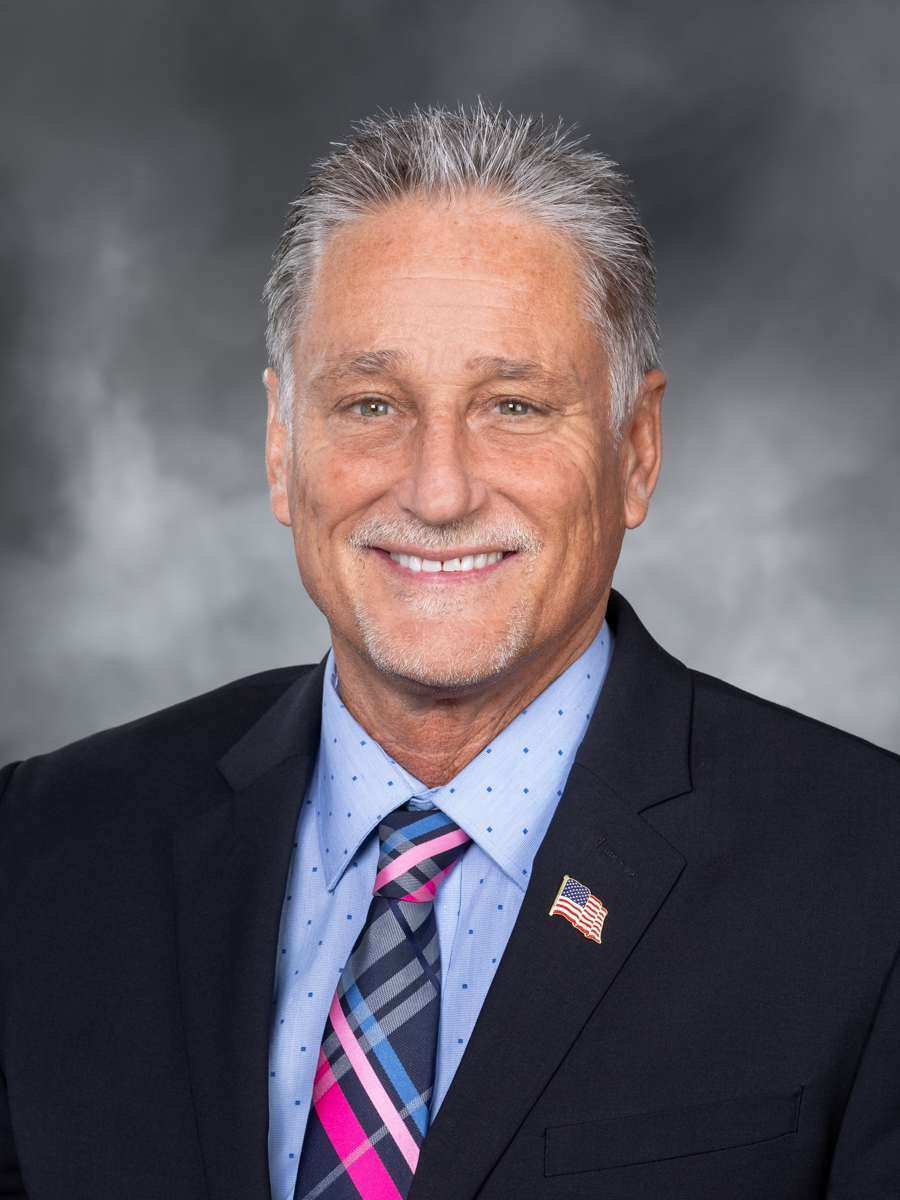
Jim McCune
16% support rate
Ranked legislators
10
5 support · 5 oppose
Key legislators

Who's moving criminal justice in Washington

Legislators moving criminal justice in Washington
Legislator Party Stance Support rate Votes
Steve Tharinger
Steve Tharinger House · District 24
D
Strong +
91% 99
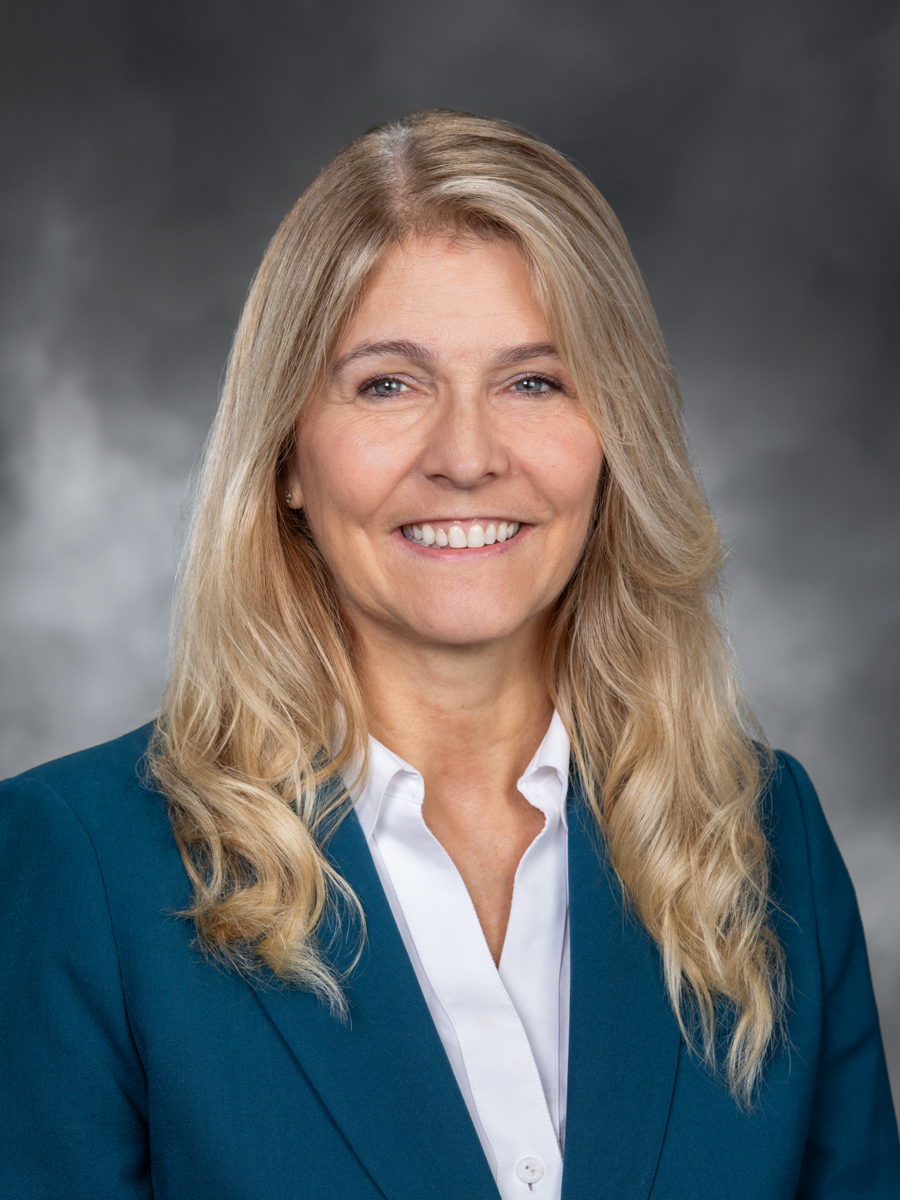
Tina Orwall
Tina Orwall Senate · District 33
D
Strong +
90% 124
Annette Cleveland
Annette Cleveland Senate · District 49
D
Strong +
88% 125
Jess Bateman
Jess Bateman Senate · District 22
D
Strong +
88% 125
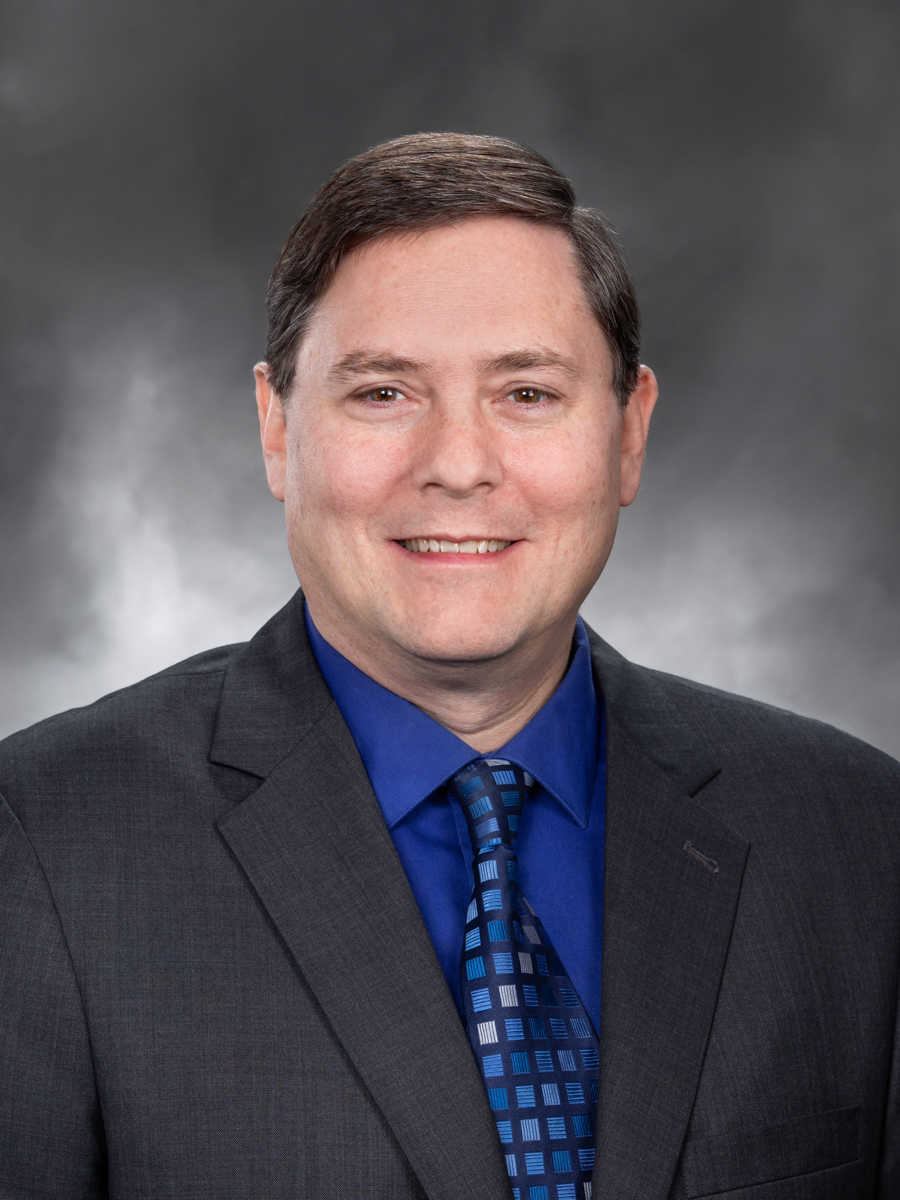
Derek Stanford
Derek Stanford Senate · District 1
D
Strong +
88% 125
Jim McCune
Jim McCune Senate · District 2
R
Strong −
16% 125
Perry Dozier
Perry Dozier Senate · District 16
R
Strong −
17% 125
Leonard Christian
Leonard Christian Senate · District 4
R
Strong −
17% 125
Matt Boehnke
Matt Boehnke Senate · District 8
R
Strong −
17% 125
Jeff Wilson
Jeff Wilson Senate · District 19
R
Strong −
18% 121
Showing 231–240 of 366 bills

All criminal justice bills

in committee · Washington · Senate Jan 12, 2026

SB 5617: Providing for a child in need of services petition process for juveniles in and exiting detention.

SB 5617 creates a new court process for juveniles in detention or exiting detention who are deemed "in need of services." It requires courts to consider alternatives to detention and mandates family reconciliation services (like counseling, crisis support, and referrals) to help stabilize families before release. The bill directly affects juveniles aged 18 or younger in detention or transitioning from custody, ensuring they have access to necessary services and a safe placement upon release. Key provisions include defining "child in need of services" to include those lacking stable housing after detention and requiring courts to prioritize family reunification or community-based support over continued detention.
in committee · Washington · Senate Jan 12, 2026

SB 5266: Concerning the indeterminate sentence review board.

SB 5266 allows individuals convicted of crimes before turning 18 to petition the indeterminate sentence review board for early release after reaching age 24, provided they meet specific conditions (e.g., no recent convictions or serious infractions in the prior 12 months). The bill requires the department to assess offenders 5 years before eligibility, conduct dangerousness evaluations 180 days after a petition, and prioritize hearings for those under 25 or recently transferred from juvenile custody. It also mandates victim input during hearings, allows rental vouchers for housing upon release, and limits annual petitions to 70. The law aims to align with brain development research showing youth rehabilitation potential, while maintaining public safety through structured release conditions and supervision.
in committee · Washington · House Jan 12, 2026

HB 1436: Incentivizing cities and counties to increase employment of commissioned law enforcement officers.

HB 1436 allows Washington cities and counties to impose a 0.10% sales tax to fund additional commissioned law enforcement officers. Local governments must use the revenue to hire more officers if their officer-to-population ratio is below the national average, or for other criminal justice programs (like domestic violence services or homelessness initiatives) if their ratio is already above average. The state collects the tax and returns the funds directly to the local jurisdiction. This bill aims to address Washington’s low ranking in law enforcement staffing per capita and high crime rates by creating a dedicated funding mechanism for local governments.
in committee · Washington · Senate Jan 12, 2026

SB 5060: Creating a law enforcement hiring grant program.

SB 5060 creates a state grant program to help local and tribal law enforcement agencies hire more officers and mental health responders for community safety. It provides grants covering up to 75% of entry-level salaries (capped at $125,000 per position for 36 months), requiring a 25% local cash match. Agencies must meet specific training and policy standards, including crisis intervention and trauma-informed care compliance, to qualify. The bill appropriates $100 million for this program and mandates annual reports tracking grant usage, staffing vacancies, and hiring timelines. It directly affects Washington’s local and tribal law enforcement agencies seeking to fill officer positions and improve co-response to community safety needs.
Sub-Topics Law Enforcement
in committee · Washington · Senate Jan 12, 2026

SB 5213: Penalizing the possession of fentanyl.

SB 5213 changes the penalty for possessing fentanyl from a gross misdemeanor to a class C felony in Washington State. It applies to anyone knowingly holding fentanyl without a valid prescription, excluding medical cannabis users under existing laws. The bill includes provisions for law enforcement to refer some cases to treatment programs instead of jail, while maintaining criminal penalties for fentanyl possession.
in committee · Washington · Senate Jan 12, 2026

SB 5273: Concerning the availability of community violence prevention and intervention services.

SB 5273 creates state funding for community violence prevention and intervention services targeting youth and adults who have been violently injured, are at risk of violence, or have experienced chronic community violence. It requires community violence professionals to complete standardized training by January 2027 and mandates funding for at least four programs (including one east and one west of the Cascades), prioritizing high-firearm-violence communities. Programs must coordinate with health care providers and the Department of Health, with plans to eventually bill medical assistance programs for these services. The bill defines "community violence" and specifies services like peer support, conflict mediation, and care coordination as evidence-informed, trauma-responsive interventions.
Sub-Topics Firearms
in committee · Washington · House Jan 12, 2026

HB 1000: Expanding the circumstances that may constitute a major violation of the uniform controlled substances act.

HB 1000 expands the definition of a "major violation" under Washington's drug sentencing law (VUCSA) by adding specific scenarios that would trigger harsher penalties. It directly affects individuals convicted of drug offenses who meet new criteria, such as conducting three or more separate drug transactions, distributing large quantities beyond personal use, manufacturing drugs, or knowingly distributing fentanyl causing harm. Key provisions include listing factors like high position in drug distribution, sophisticated operations, or using professional roles (e.g., pharmacist) to facilitate drug trafficking. This bill changes sentencing guidelines - not criminal law - by clarifying when drug offenses qualify as "major" for enhanced penalties. It does not alter what constitutes illegal drug activity but affects sentencing outcomes for qualifying cases.
Sub-Topics Drug Policy Sentencing
in committee · Washington · Senate Jan 12, 2026

SB 5052: Modifying law enforcement ability to contact juvenile witnesses and victims not suspected of criminal involvement or activity.

SB 5052 clarifies that law enforcement may contact juveniles (under age 18) who are witnesses or victims in a crime - without being suspected of involvement - without requiring attorney consultation beforehand. This specifically amends Washington’s juvenile rights law (RCW 13.40.740) to remove ambiguity about when police can speak directly to such juveniles. The bill ensures statements obtained during these contacts generally cannot be used against the juvenile in court unless they’ve had legal advice and knowingly waived rights. It maintains existing protections for juveniles suspected of crimes or in life-threatening situations requiring immediate police action.
in committee · Washington · House Jan 12, 2026

HB 1380: Allowing objectively reasonable regulation of the utilization of public property.

HB 1380 establishes standards for local governments to regulate public space use, specifically addressing ordinances that restrict sitting, lying, sleeping, or keeping warm and dry in public areas for people experiencing homelessness. It requires such laws to be "objectively reasonable" by considering public safety, availability of shelter, impact on homeless individuals, and proportionality - prohibiting excessive measures. The bill allows individuals to challenge unreasonable ordinances in court through injunctive or declaratory relief, while protecting local governments from monetary lawsuits. It applies to all cities, towns, and code cities in Washington, aiming to balance public safety with housing access during the homelessness crisis.
Sub-Topics Courts Homelessness
signed · Washington · Senate Apr 22, 2025

SB 5696: Concerning the sales and use tax supporting chemical dependency and mental health treatment programs.

Senate Bill 5696 amends the law concerning a local one-tenth of one percent sales and use tax designated for chemical dependency and mental health treatment programs. The bill clarifies that funds collected from this tax may be used for the new construction of facilities and modifications to existing facilities that support these treatment and therapeutic court programs. It also affirms that these programs and their associated facility needs are considered part of local government public safety initiatives. This provides counties and cities with clear guidance on using these tax revenues for infrastructure related to these services.
Showing 231 to 240 of 366 bills
Previous 1 23 24 25 37 Next