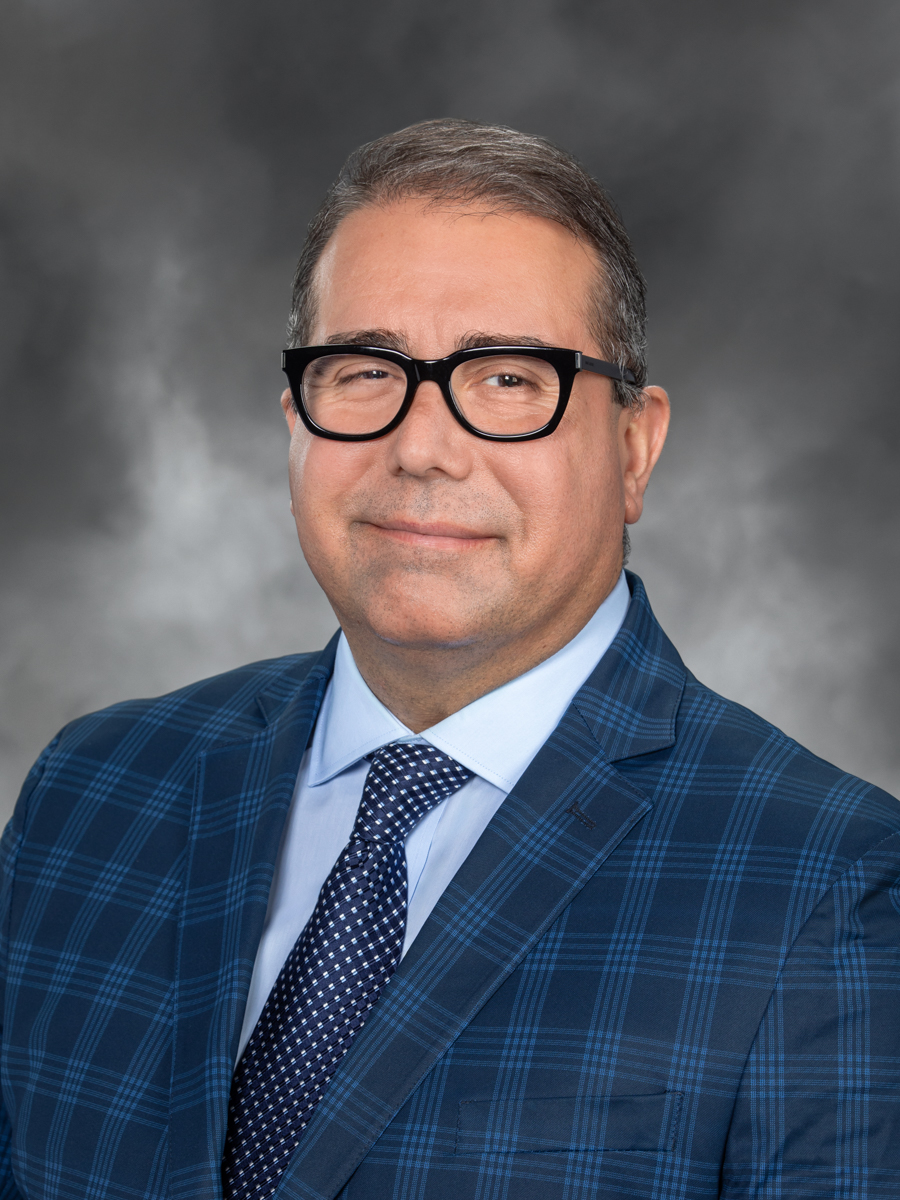
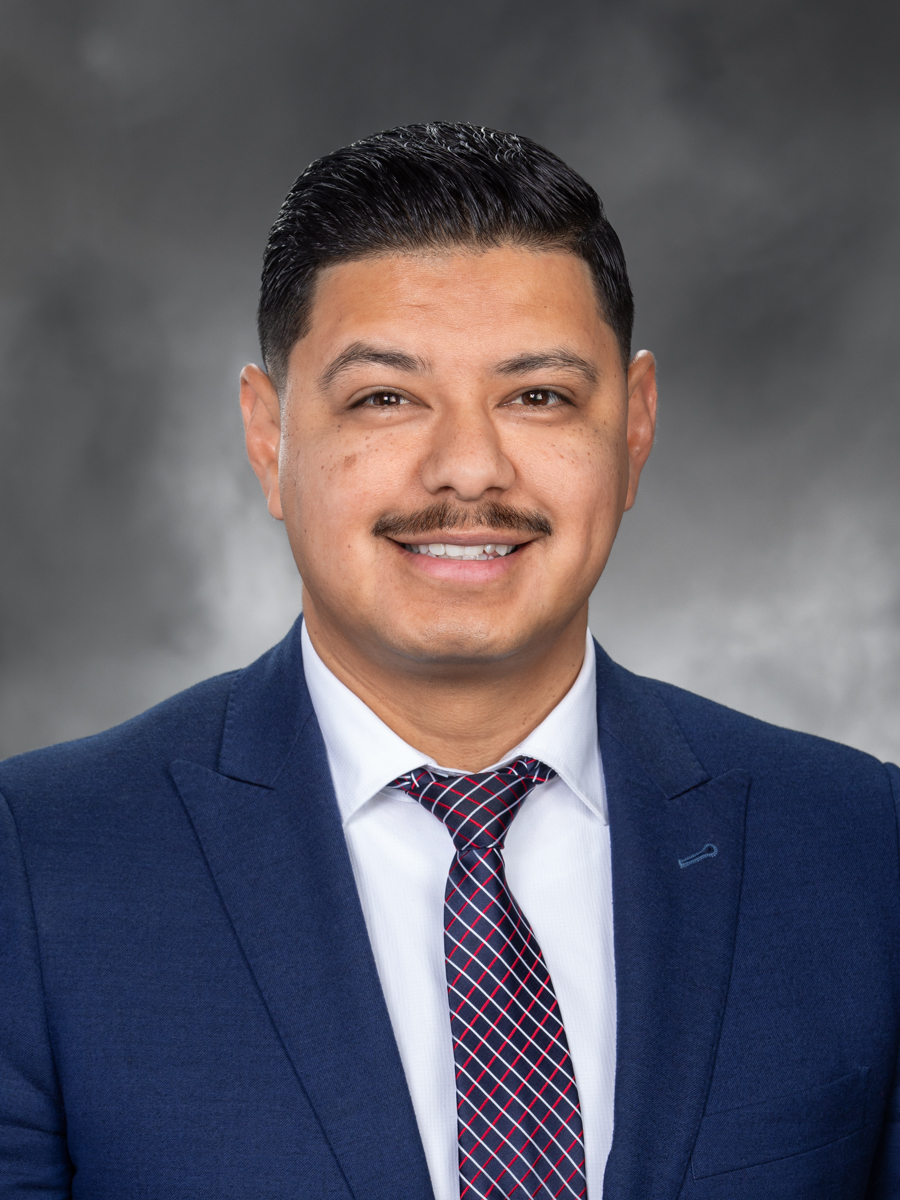
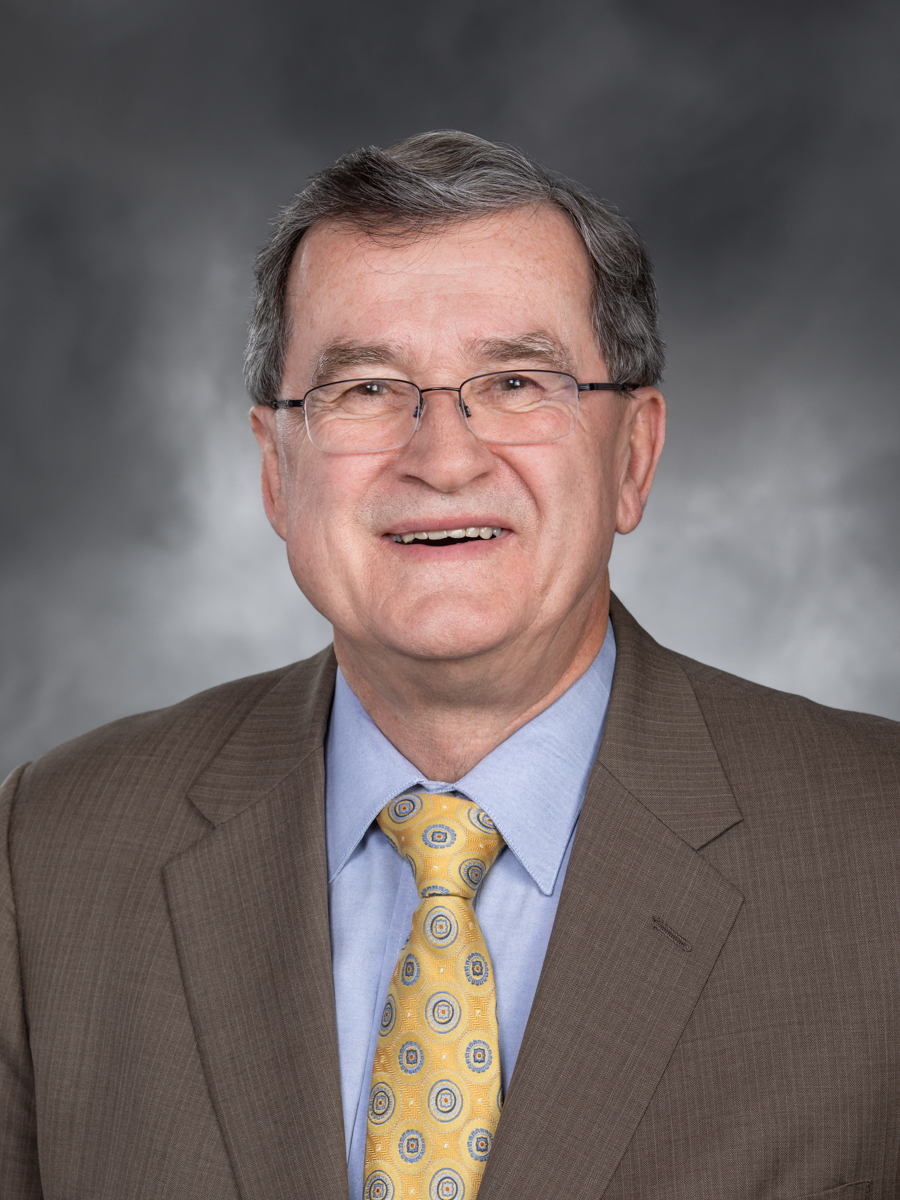
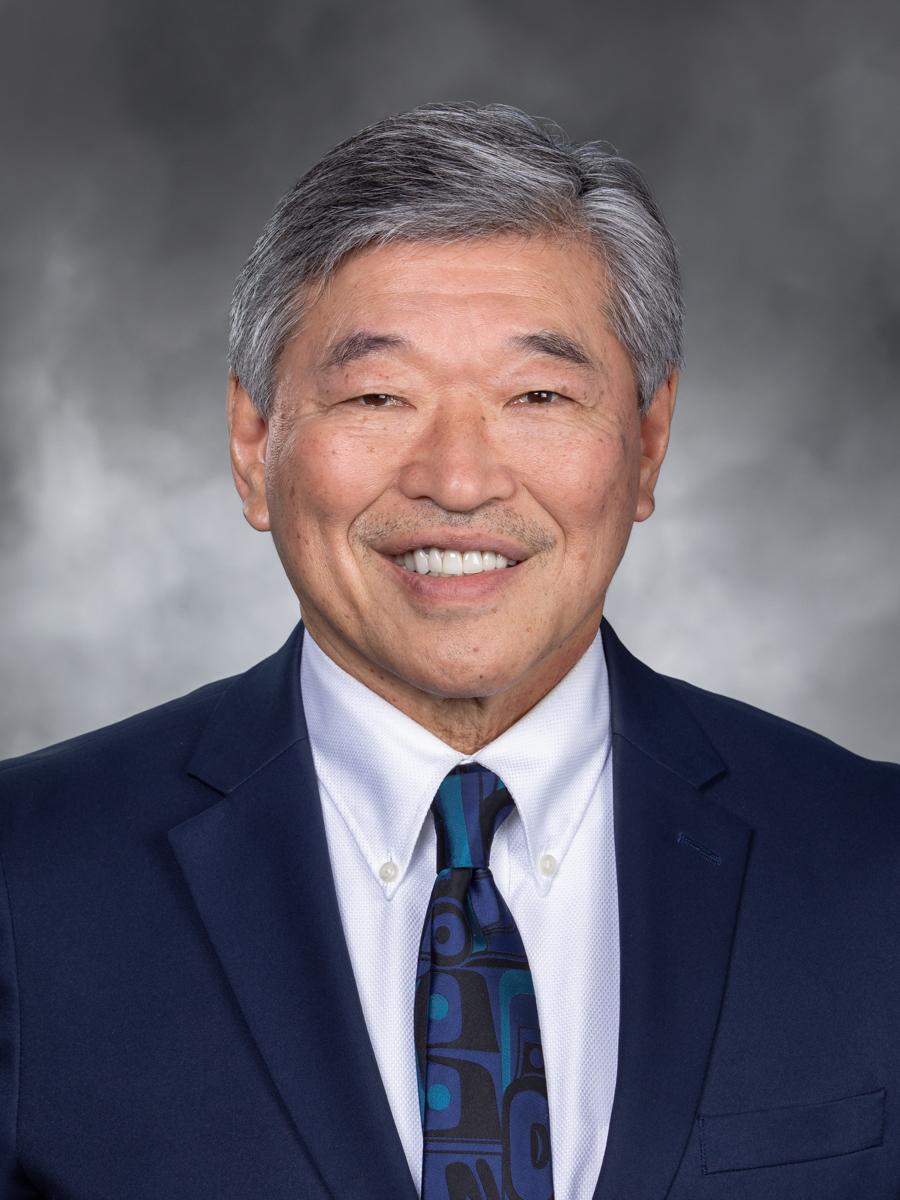
Key legislators
Who's moving drug policy in Washington
Showing 11–14 of 14
bills
All criminal justice bills
SB 5531 streamlines background checks for home care workers by removing automatic disqualification for certain past convictions after specific time periods pass (e.g., cannabis sales after 3 years, theft after 10 years, or assault/robbery after 5 years). It directly affects home care workers, long-term care providers, and contracted agencies working with vulnerable adults or children. Key provisions include allowing temporary unsupervised access for up to 30 days during a character review while maintaining a requirement for written notice to guardians about pending reviews. The bill also clarifies that agencies may use discretion in reviewing past convictions, with a rebuttable presumption supporting their decisions.
This bill changes Washington's definition of theft in the third degree to include stealing property worth $750 or less *or* 10 or more merchandise pallets or beverage crates. A third or subsequent adult conviction for this crime becomes a class C felony. It also adds a new pathway for individuals convicted of felony theft to clear their records after successfully completing substance use disorder treatment. These changes directly affect people convicted of theft and the courts handling their cases.
HB 1574 expands "Good Samaritan" protections for individuals seeking or experiencing medical assistance during a drug-related overdose. The bill prevents these individuals from being arrested, charged, or prosecuted for drug possession if the evidence was obtained due to the overdose. It also protects them from civil forfeiture of property (with exceptions) and penalties for certain violations, such as probation or restraining orders, if these were discovered as a result of the overdose. Furthermore, it clarifies that these overdose protections can override mandatory arrest requirements for other offenses when the evidence is linked to the overdose and the need for medical assistance.
This bill allows people charged with specific drug possession offenses under Washington state law (RCW 69.50.4011, 69.50.4013, 69.50.4014, or 69.41.030) to seek dismissal of those charges after completing a court-approved substance abuse treatment program. To qualify, individuals must first undergo a certified assessment showing a substance use disorder requiring treatment and successfully complete the recommended program. Courts must review the case, confirm the treatment completion and assessment, and determine if dismissal serves the interests of justice before dismissing the charges. The court must also provide a written explanation for its decision.