Issue · Criminal Justice

Criminal Justice

Every criminal justice bill, vote, and legislator stance in Washington, automatically classified by Maddy, our AI policy reader.

Total bills
366
2025-2026 Regular Session
Top supporter
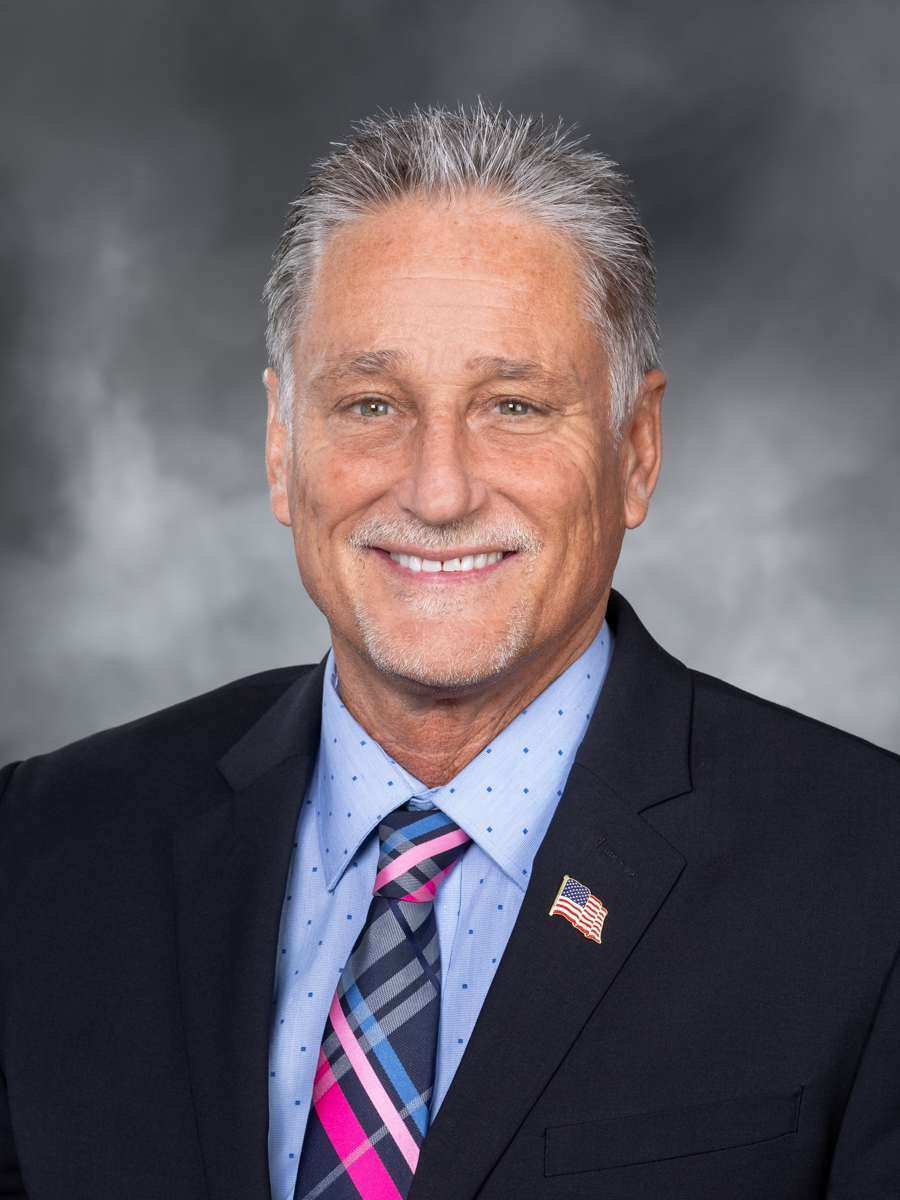
Steve Tharinger
91% support rate
Top opponent
Jim McCune
16% support rate
Ranked legislators
10
5 support · 5 oppose
Key legislators

Who's moving criminal justice in Washington

Legislators moving criminal justice in Washington
Legislator Party Stance Support rate Votes
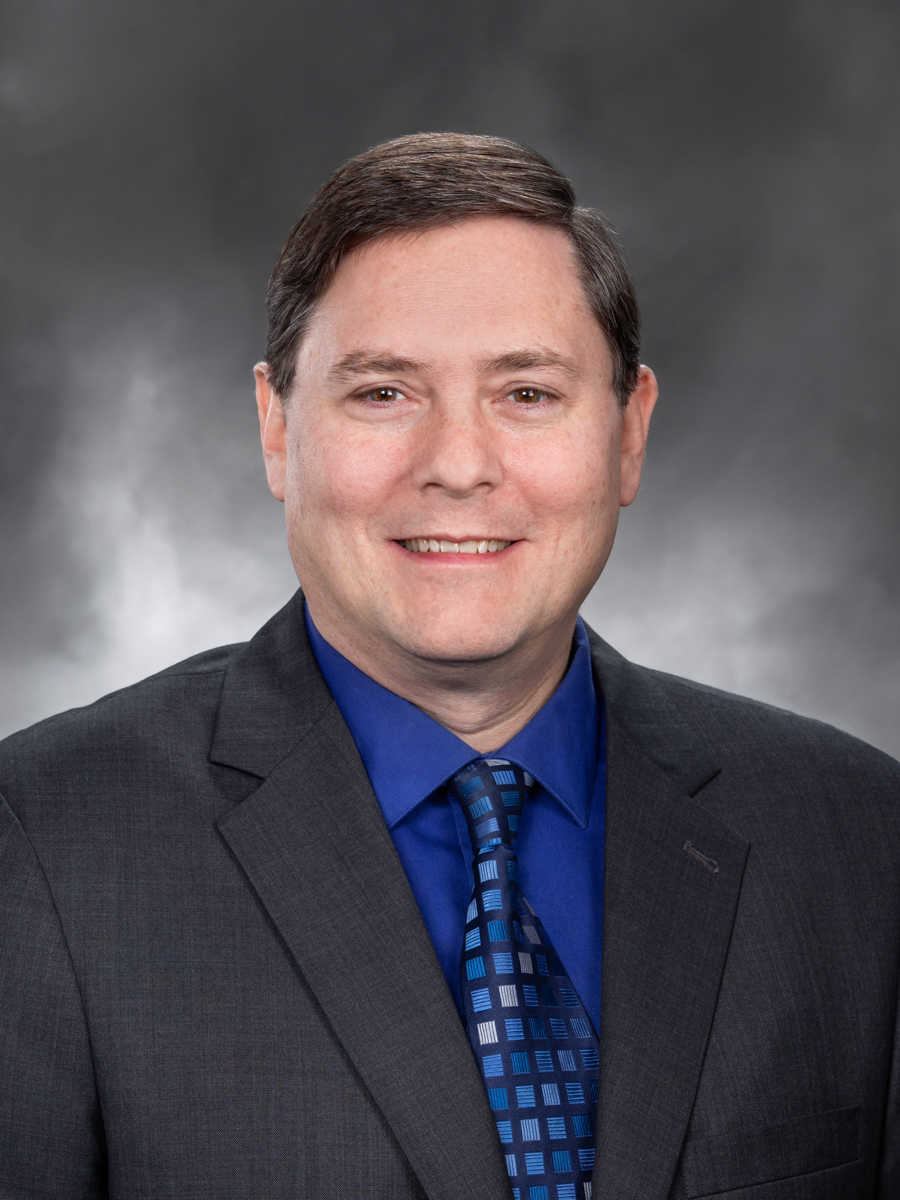
Steve Tharinger
Steve Tharinger House · District 24
D
Strong +
91% 99
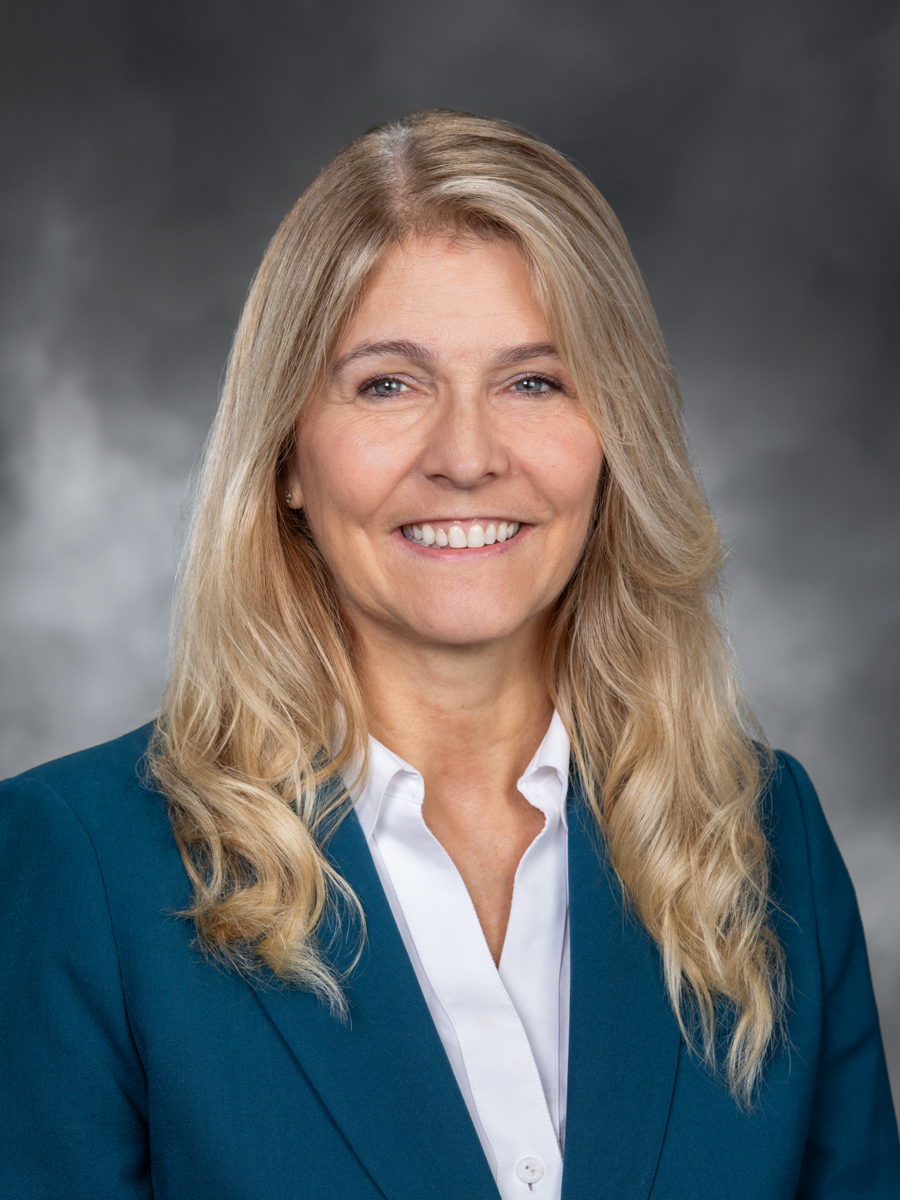
Tina Orwall
Tina Orwall Senate · District 33
D
Strong +
90% 124
Annette Cleveland
Annette Cleveland Senate · District 49
D
Strong +
88% 125
Jess Bateman
Jess Bateman Senate · District 22
D
Strong +
88% 125
Derek Stanford
Derek Stanford Senate · District 1
D
Strong +
88% 125
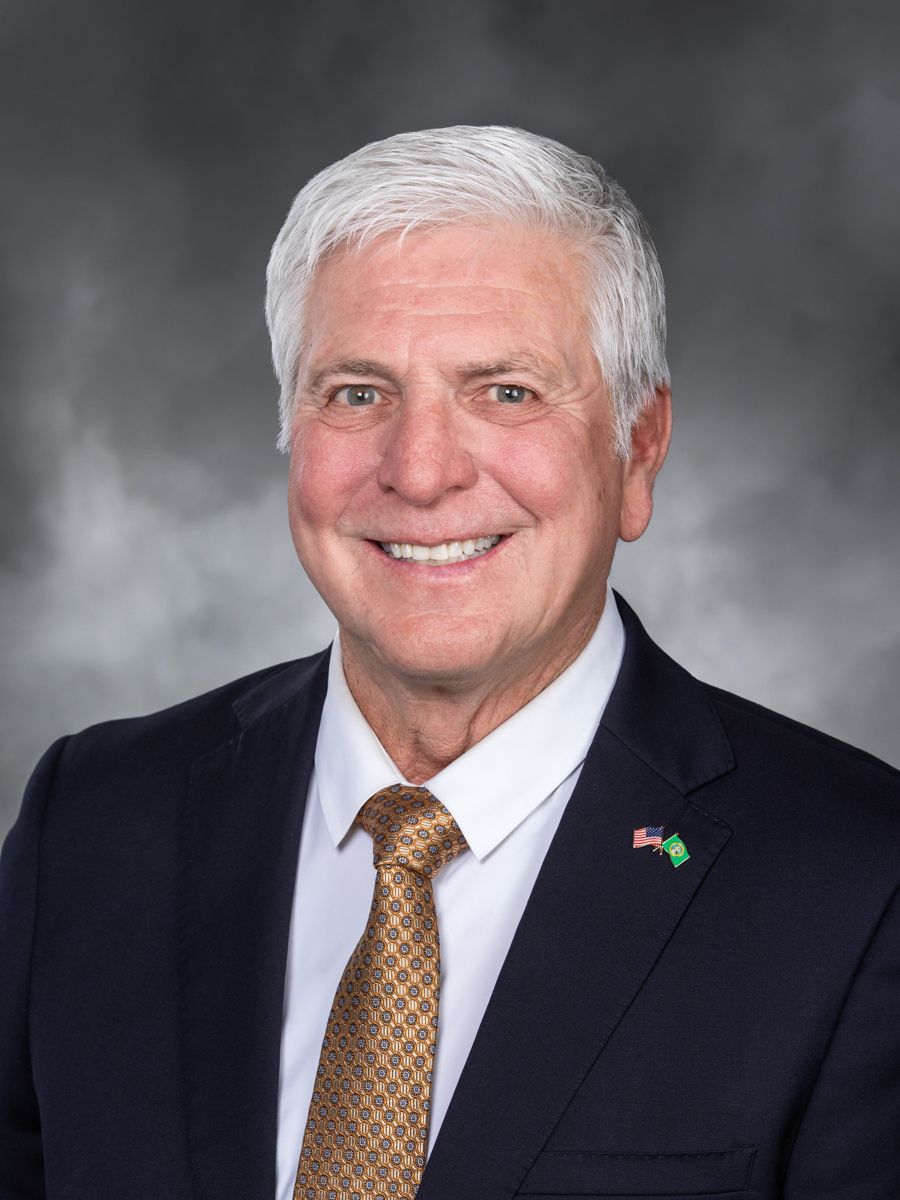
Jim McCune
Jim McCune Senate · District 2
R
Strong −
16% 125
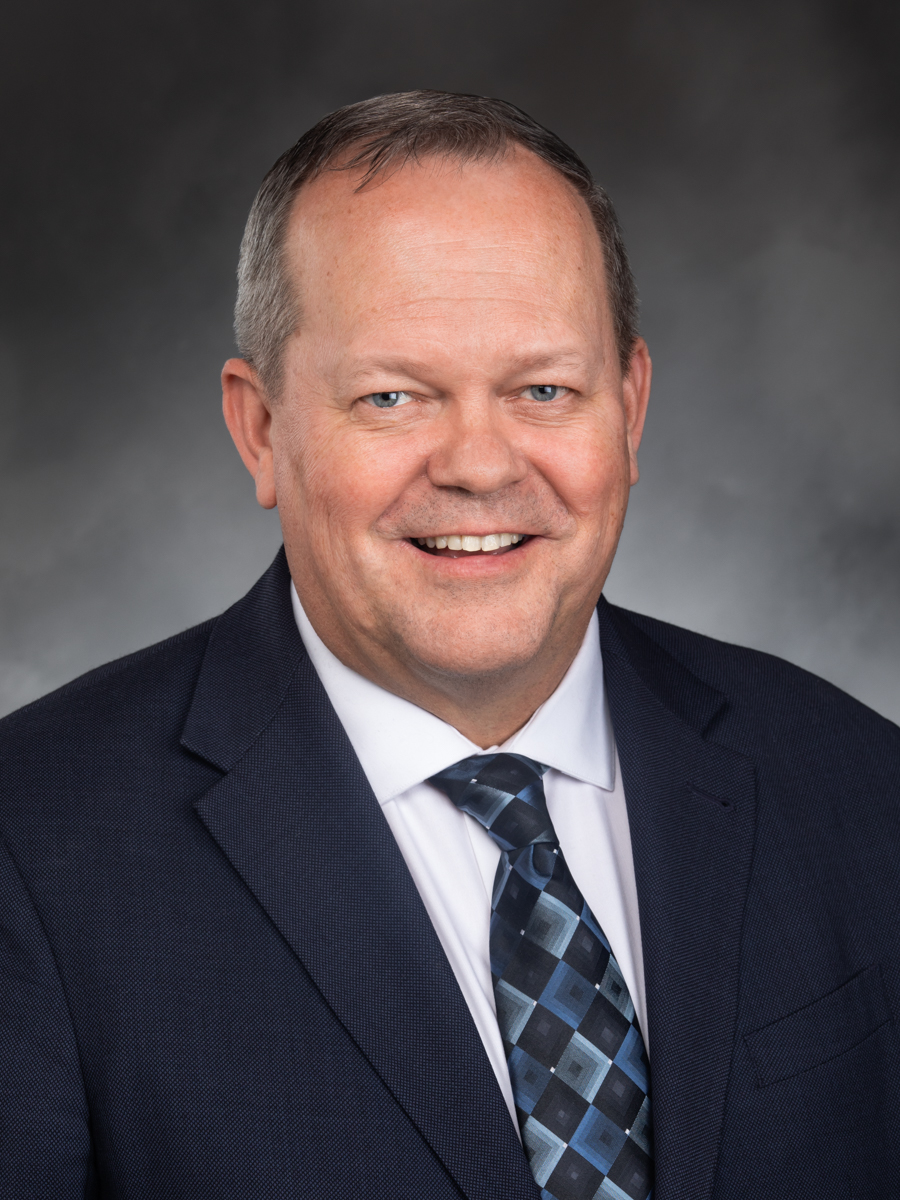
Perry Dozier
Perry Dozier Senate · District 16
R
Strong −
17% 125
Leonard Christian
Leonard Christian Senate · District 4
R
Strong −
17% 125
Matt Boehnke
Matt Boehnke Senate · District 8
R
Strong −
17% 125
Jeff Wilson
Jeff Wilson Senate · District 19
R
Strong −
18% 121
Showing 131–140 of 366 bills

All criminal justice bills

in committee · Washington · Senate Jan 12, 2026

SB 5409: Concerning a pilot program creating a healthier environment for correctional officers, department of corrections staff, and individuals within a correctional facility.

SB 5409 establishes a four-year pilot program at Washington State Penitentiary East Complex to improve conditions for correctional officers, department staff, and incarcerated individuals. The program includes training officers in dynamic security tactics and crisis de-escalation, appointing contact officers as mentors to support incarcerated individuals' reentry planning, and making facility improvements like painting and planting to create a more community-like environment. The Department of Corrections must report annually on participation, behavioral changes, and recidivism outcomes, with the program set to expire June 30, 2030. This directly affects correctional staff (addressing their shorter lifespans and higher suicide rates) and incarcerated individuals (aiming to reduce health impacts and improve reentry readiness).
passed · Washington · Senate Feb 26, 2026

SB 5282: Reestablishing the advisory board for the missing and exploited children task force.

Senate Bill 5282 reestablishes an advisory board to guide the Washington State Patrol's task force on missing and exploited children. This board will advise on the objectives, management, and coordination of the task force's activities. It will comprise nine members, including representatives from law enforcement, legal professionals, a tribal member, a treatment provider, and an individual with direct lived experience of child abduction or exploitation. The board is required to meet annually and submit yearly reports to the legislature detailing the task force's operations, outcomes, and recommendations.
Sub-Topics Law Enforcement
in committee · Washington · House Jan 12, 2026

HB 1138: Improving public safety by implementing evidence-based interview practices that increase the reliability of statements collected during criminal investigations.

HB 1138 requires Washington law enforcement officers to stop using deceptive tactics (like falsely claiming evidence exists) during criminal interrogations starting in 2026. It presumes statements obtained through deception are inadmissible in court for misdemeanor or felony cases, unless prosecutors prove the statement was voluntary. The bill mandates free, state-developed training for all officers on evidence-based techniques like the PEACE method, cognitive interviews, and trauma-informed approaches by July 2026. This directly affects law enforcement agencies, prosecutors, and individuals being questioned in criminal investigations.
Sub-Topics Courts Law Enforcement Tags Public Safety
in committee · Washington · House Jan 12, 2026

HB 1087: Expanding the crime of endangerment with a controlled substance to include fentanyl and other high-potency synthetic opioids.

HB 1087 expands Washington's "endangerment with a controlled substance" law to include fentanyl and other high-potency synthetic opioids, in addition to methamphetamine. It directly affects individuals who knowingly expose dependent children or adults to these substances. The bill amends the law to specifically list fentanyl (and its salts/isomers) and other defined high-potency synthetic opioids as covered substances, making such exposure a class B felony. This change explicitly excludes cases where substances are administered under a valid prescription, as outlined in chapter 69.50 RCW.
Sub-Topics Drug Policy
in committee · Washington · Senate Jan 12, 2026

SB 5569: Recognizing a court's authority to authorize a defendant's direct transfer from jail to inpatient or residential substance use disorder treatment.

SB 5569 allows courts in Washington to approve direct transfers of defendants from jail to inpatient or residential substance use disorder treatment, bypassing bail requirements. It directly affects defendants charged with crimes who have a confirmed treatment facility spot and a "trusted individual" (like a family member or social worker) to escort them. Key provisions require defendants to agree to treatment, waive their right to a speedy trial, and include court notifications to recovery programs and treatment facilities upon admission and discharge. The bill also clarifies that time spent in treatment counts as an excluded period for trial deadlines, resetting the timeline upon completion. This applies broadly to any defendant who could benefit from treatment, not just those charged under specific laws.
in committee · Washington · House Jan 12, 2026

HB 1229: Resentencing of individuals sentenced as a persistent offender.

HB 1229 allows individuals sentenced as persistent offenders or receiving exceptional sentences (to avoid persistent offender status) due to a second-degree robbery conviction to seek resentencing. It requires public defense offices to review cases where second-degree robbery was used to establish persistent offender status or as part of a plea agreement, and to file motions for resentencing if eligible. The bill mandates courts to resentence these individuals as if second-degree robbery was not the "most serious offense" at sentencing, effectively removing it from consideration in sentencing calculations. This policy change applies to both current sentences and future cases after July 2021, ensuring second-degree robbery no longer qualifies as a "most serious offense" for persistent offender sentencing.
in committee · Washington · House Jan 28, 2026

HB 1809: Professionalizing first responders and co-responders through training and reimbursement for behavioral health emergency response.

HB 1809 requires Washington state to develop and implement a standardized 9-hour training program for emergency medical technicians (EMTs) and paramedics on responding to behavioral health emergencies, such as overdoses and suicidal crises, by July 2026. It creates a voluntary "behavioral health endorsement" for EMTs who complete the training, allowing them to better connect individuals in crisis to community services instead of emergency departments. The bill mandates the Department of Health to adopt rules integrating this training into existing certification programs by January 2027. This aims to reduce reliance on emergency rooms for behavioral health crises while improving first responder preparedness and collaboration with co-response teams.
Sub-Topics Mental Health Tags Public Safety
in committee · Washington · Senate Jan 12, 2026

SB 5366: Concerning exceptional sentences for offenses which result in the pregnancy of a victim of rape.

SB 5366 amends Washington state sentencing guidelines to explicitly include a victim's pregnancy during a rape as an aggravating factor that allows courts to impose harsher sentences. It specifically adds "the defendant knew the victim was pregnant" to the list of circumstances justifying an "aggravated exceptional sentence" for violent sexual offenses. This provision directly affects rape offenders who knew their victim was pregnant at the time of the crime, enabling judges to exceed standard sentencing ranges. The bill does not create new penalties but expands existing criteria for exceptional sentencing in cases involving rape with pregnancy. It requires courts to document such findings in writing and follows standard appellate review procedures.
Sub-Topics Sentencing
in committee · Washington · Senate Jan 12, 2026

SB 5426: Improving developmentally appropriate alternatives for youth outside the formal court process.

SB 5426 expands access to non-court alternatives for youth in Washington state by requiring courts to offer standardized diversion programs. It defines community-based rehabilitation services (like counseling, education, or restorative justice programs) and sets requirements for residential treatment referrals. The bill mandates data tracking to monitor diversion effectiveness across counties, addressing inconsistent access to these programs. These changes aim to reduce reliance on formal court processing for youth offenders while improving accountability.
in committee · Washington · House Jan 12, 2026

HB 1331: Increasing public safety by elevating the penalty for unlawful delivery of a controlled substance resulting in death.

HB 1331 changes the legal classification for cases where someone unlawfully delivers a controlled substance (like drugs) that causes the death of the person who used it. It reclassifies this as "manslaughter in the first degree" (a class A felony) under Washington law, instead of the previous penalty structure. This specifically affects individuals who deliver drugs that directly result in a user's death, such as in overdose cases. The bill repeals the existing "controlled substances homicide" penalty section (RCW 69.50.415) to implement this new classification. The change aims to strengthen penalties for drug dealers whose actions cause fatal outcomes.
Showing 131 to 140 of 366 bills
Previous 1 13 14 15 37 Next