Issue · Budget & Taxes

Budget & Taxes (Business Taxes)

Every budget & taxes bill, vote, and legislator stance in Washington, automatically classified by Maddy, our AI policy reader.

Total bills
122
2025-2026 Regular Session
Top supporter
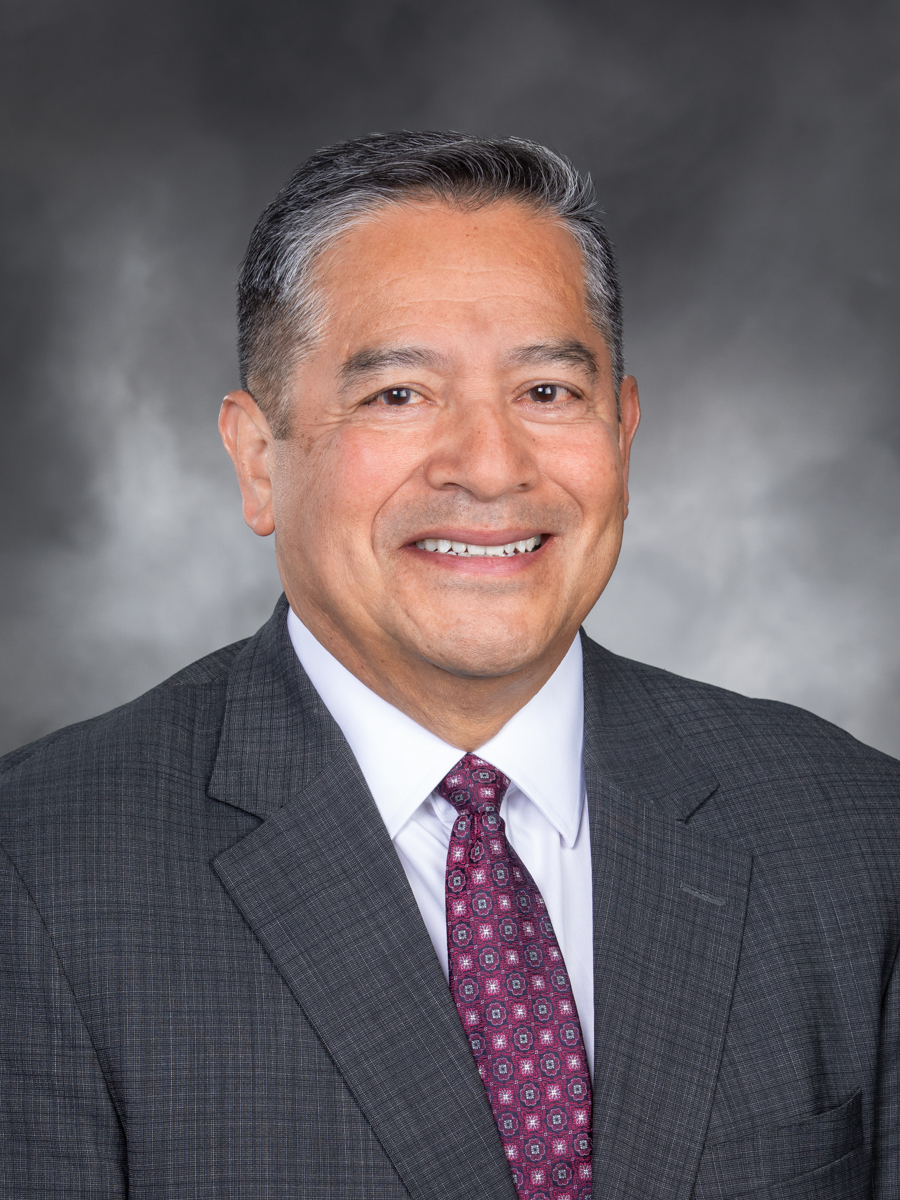
Alex Ybarra
86% support rate
Top opponent
Zach Hall
15% support rate
Ranked legislators
10
5 support · 5 oppose
Key legislators

Who's moving business taxes in Washington

Legislators moving business taxes in Washington
Legislator Party Stance Support rate Votes
Alex Ybarra
Alex Ybarra House · District 13
R
Strong +
86% 91
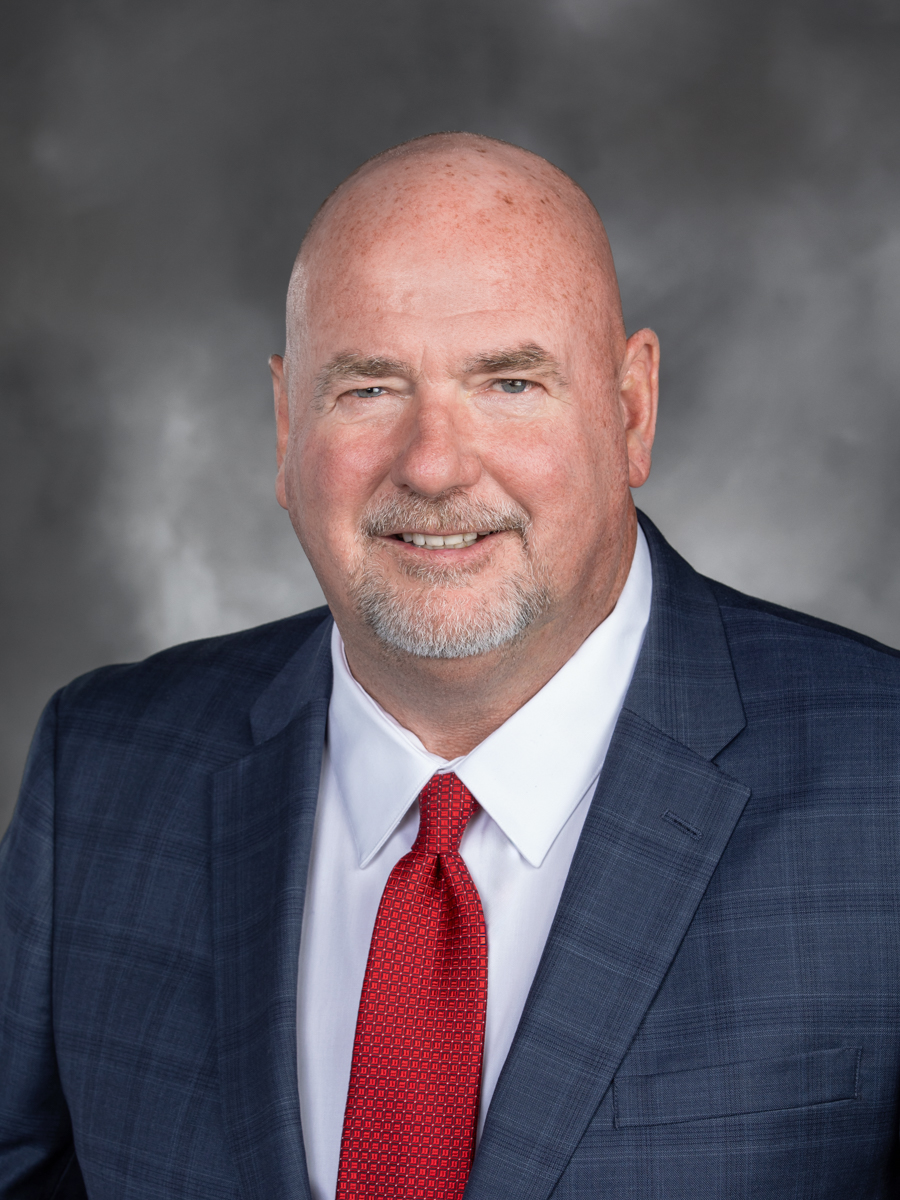
Hunter Abell
Hunter Abell House · District 7
R
Strong +
86% 91
Mark Klicker
Mark Klicker House · District 16
R
Strong +
86% 91
Dave Stuebe
Dave Stuebe House · District 17
R
Strong +
86% 90
Tom Dent
Tom Dent House · District 13
R
Strong +
85% 89
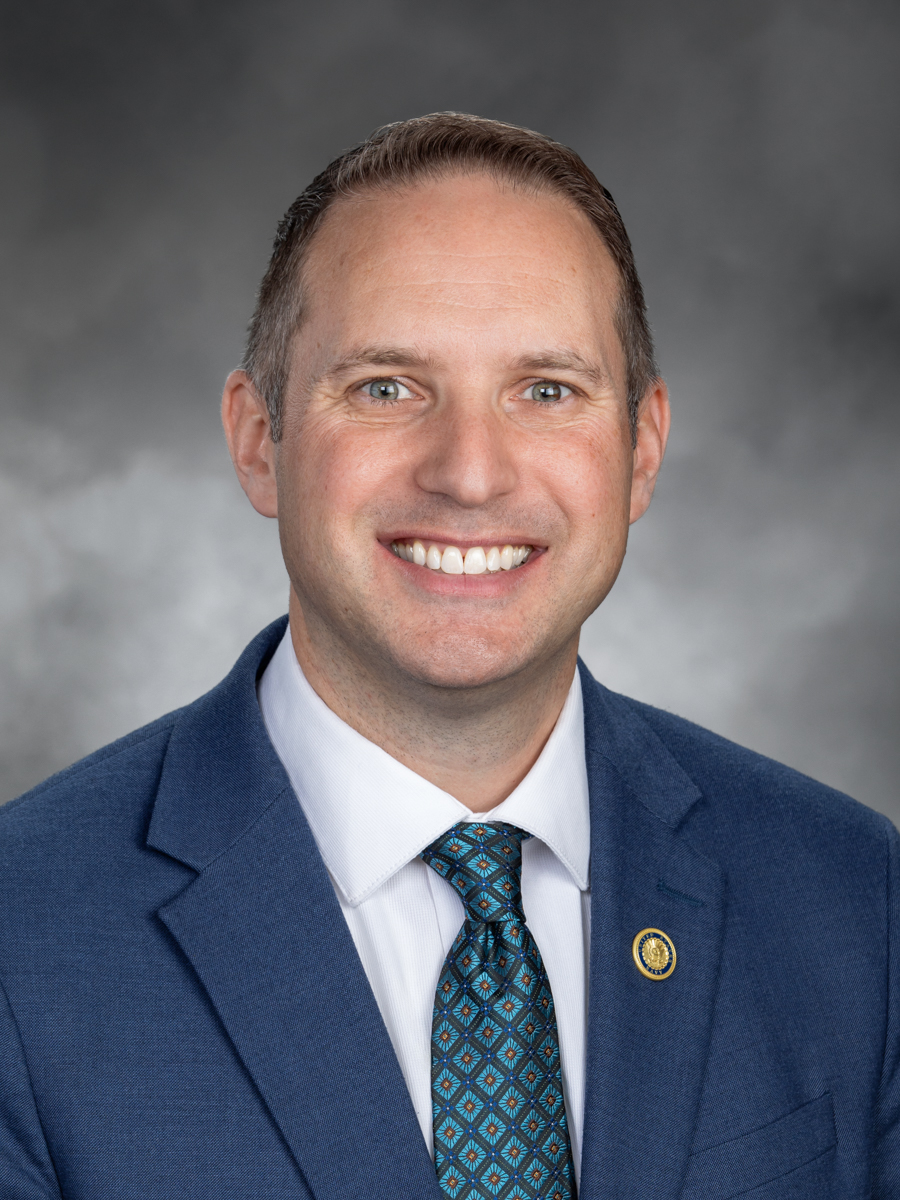
Zach Hall
Zach Hall House · District 5
D
Strong −
15% 78
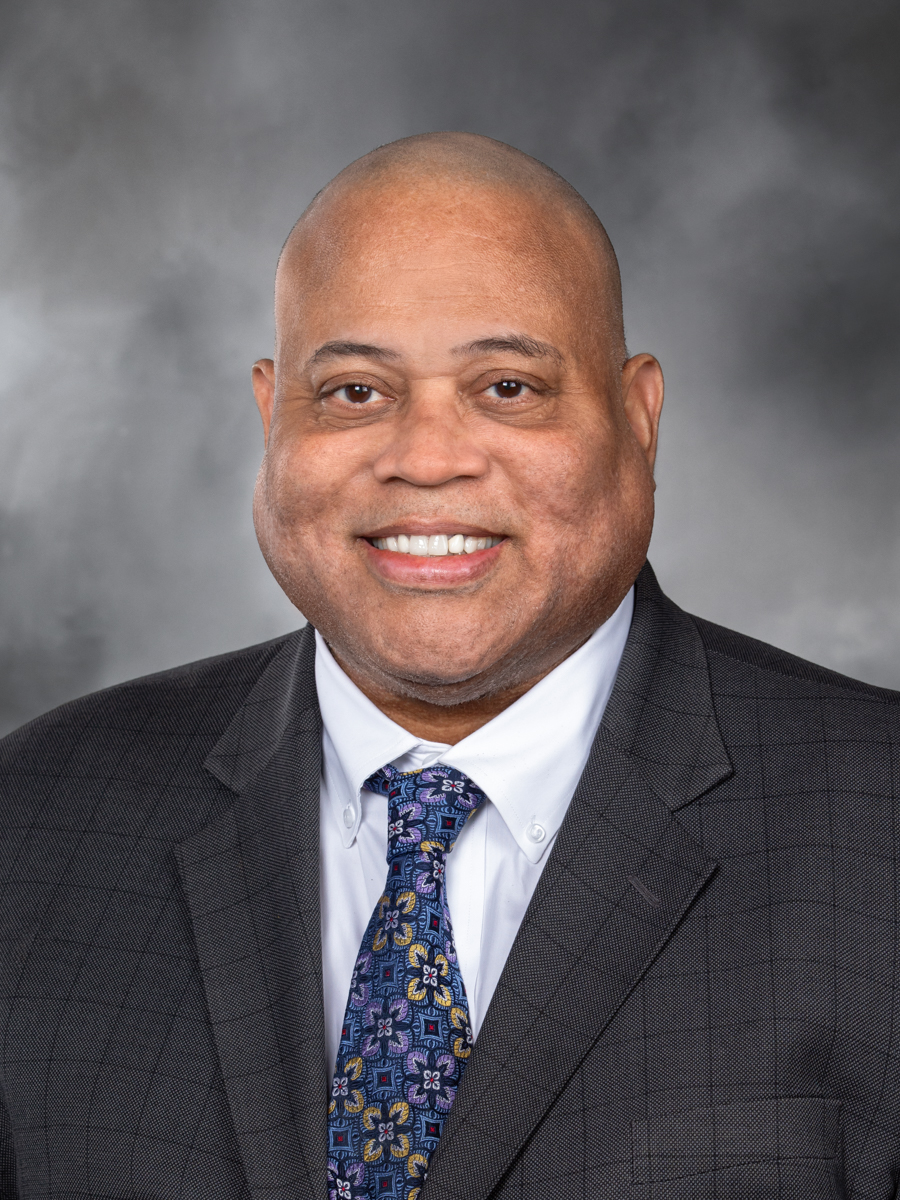
David Hackney
David Hackney House · District 11
D
Strong −
17% 86
Gerry Pollet
Gerry Pollet House · District 46
D
Strong −
18% 91
Shaun Scott
Shaun Scott House · District 43
D
Strong −
18% 91
Shelley Kloba
Shelley Kloba House · District 1
D
Strong −
18% 91
Showing 51–60 of 122 bills

All budget & taxes bills

in committee · Washington · House Jan 12, 2026

HB 2167: Keeping the legislature's promises by reducing the sales tax in the event of an income tax or a tax on individual earnings.

HB 2167 would automatically reduce Washington’s state sales tax rate if the legislature ever passes an income tax or tax on individual earnings. Specifically, the bill requires the Department of Revenue to lower the sales tax rate by an amount matching the projected revenue increase from such a new tax. This measure directly affects all Washington residents and businesses that pay sales tax, aiming to offset potential new tax burdens. The bill is conditional - it only triggers if a future income tax is enacted - and does not change current tax rates.
in committee · Washington · House Feb 4, 2026

HB 2194: Concerning sales and use tax for cultural access programs.

HB 2194 would allow Washington counties and cities to impose a 0.1% sales tax (one-tenth of one percent) with voter approval to fund local cultural access programs, such as museums, arts initiatives, and community cultural events. Counties could implement this tax first (for up to seven years), and cities within counties could do so if counties haven’t acted by December 2024. All funds collected must be used exclusively for cultural programs under state law, and the state would collect the tax at no cost to local governments. The bill does not change existing tax rates or create new programs but provides a funding mechanism for existing cultural access efforts.
in committee · Washington · Senate Feb 2, 2026

SB 5884: Expanding the limited sales and use tax incentive program to encourage redevelopment of underutilized property.

SB 5884 expands a sales and use tax deferral program to incentivize redevelopment of underutilized property in qualifying cities (with populations of 135,000-275,000). It directly affects property owners who develop affordable housing - both rental and homeownership - for low- or moderate-income households, as defined by federal income thresholds. The key mechanism allows qualifying developers to defer paying sales and use taxes on eligible projects, provided they maintain affordable housing for at least 10 years. This applies to vacant land, partially used land, or underutilized property (like surface parking lots) identified by city authorities as suitable for affordable housing redevelopment.
in committee · Washington · Senate Jan 12, 2026

SB 5894: Restoring the 1985 tax exemptions for the sale of precious metals and bullion.

This bill restores a 1985 tax exemption that previously excluded sales of precious metal bullion (like refined gold, silver, and platinum) and monetized bullion (coins used as currency) from state sales tax. It directly affects businesses that sell these items, such as bullion dealers and financial institutions, by removing the tax burden on the full sale price and limiting tax to only dealer commissions. The key provision defines "precious metal bullion" and "monetized bullion" to exclude these transactions from the state’s sales tax code, with tax applying only to commissions earned on customer transactions. The exemption applies retroactively from January 1, 2026, and is intended to revive the original 1985 policy.
in committee · Washington · House Jan 12, 2026

HB 1763: Providing state funding for essential affordable housing programs.

HB 1763 imposes a 6% tax on short-term rental platforms (like Airbnb) starting January 2026. Revenue from this tax funds local affordable housing programs and housing infrastructure projects (such as water, sewer, and transportation systems) in counties and cities. Local governments must use the funds exclusively for homeless services, shelters, or infrastructure, with requirements including limiting single-family units to 2,000 square feet and requiring urban annexation for projects within growth boundaries. The bill directly affects short-term rental platforms (as taxpayers) and local governments (as fund recipients).
in committee · Washington · House Jan 12, 2026

HB 1374: Reducing the state sales and use tax rate.

HB 1374 reduces Washington State's general sales and use tax rate from 6.5% to 6% for most retail transactions, effective October 1, 2025. It directly affects consumers and businesses selling tangible goods, digital products, and most services that were previously taxed at 6.5%. The bill amends RCW 82.08.020 to lower the standard rate, while maintaining separate taxes for car rentals (5.9%) and motor vehicles (0.3%). The change applies to all retail sales covered under the current tax code, excluding specific exemptions like farm vehicles and off-road equipment.
in committee · Washington · Senate Jan 12, 2026

SB 5111: Concerning the excise tax treatment of amounts received by title and escrow businesses from clients for remittance to a county filing office for the purpose of recording documents.

SB 5111 clarifies that recording surcharges paid by clients to counties for document recording (e.g., property deeds) are not subject to Washington's sales, use, or business taxes. It directly affects title and escrow businesses, which were previously assessed back taxes for failing to collect these taxes on surcharges - creating financial hardship, especially for small businesses. The bill amends tax law to explicitly exclude such surcharges from taxable transactions, aligning with a 2024 court ruling that classified the surcharge as an excise tax (not a fee). This change prevents future tax assessments on these specific charges, providing clear guidance for businesses.
passed · Washington · House Jan 12, 2026

HB 1043: Extending the commute trip reduction tax credit.

HB 1043 extends the state's commute trip reduction tax credit program for employers and property managers until 2035. This program allows eligible entities to claim a tax credit for providing financial incentives to employees who use alternative commuting methods like ride-sharing, public transportation, car-sharing, or non-motorized transport. The bill changes the credit calculation so that the full amount paid to or on behalf of an employee, up to $60 per employee annually, can be credited (previously 50%). It also reduces the maximum credit a single entity can claim per fiscal year from $100,000 to $50,000.
in committee · Washington · Senate Jan 12, 2026

SB 5806: Creating a voluntary disclosure program within the department of revenue.

SB 5806 creates a voluntary tax disclosure program allowing unregistered taxpayers to come forward, pay overdue taxes without penalties or interest, and register permanently. It directly affects businesses or individuals who engaged in taxable activities without proper registration but have not committed fraud or evasion. To qualify, applicants must submit a registration application before department contact, disclose all past taxable activity, and attest under penalty of perjury. The program runs from July 1 to September 30, 2025, and does not apply to taxes already paid before July 1, 2025, or to unremitted sales taxes collected from buyers.
in committee · Washington · House Jan 12, 2026

HB 1883: Concerning the Washington customized employment training program.

HB 1883 extends the expiration date of a tax credit for businesses participating in Washington's customized employment training program from 2026 to July 1, 2031. The credit allows businesses to reduce their state tax bill by 50% of payments made to the training program. The bill requires the college board to submit a 2028 report detailing program outcomes, including employee training numbers, wage growth, retention rates, and geographic distribution. The legislature states that future extensions may be considered if 75% of businesses complete training and repay the allowance, based on the report's findings.
Showing 51 to 60 of 122 bills
Previous 1 5 6 7 13 Next