

Issue · Budget & Taxes
Budget & Taxes
Every budget & taxes bill, vote, and legislator stance in Washington, automatically classified by Maddy, our AI policy reader.
Total bills
627
2025-2026 Regular Session
Top supporter
Vandana Slatter
80% support rate
Top opponent
Zach Hall
25% support rate
Ranked legislators
10
5 support · 5 oppose
Key legislators
Who's moving budget & taxes in Washington
| Legislator | Party | Stance | Support rate | Votes |
|---|---|---|---|---|
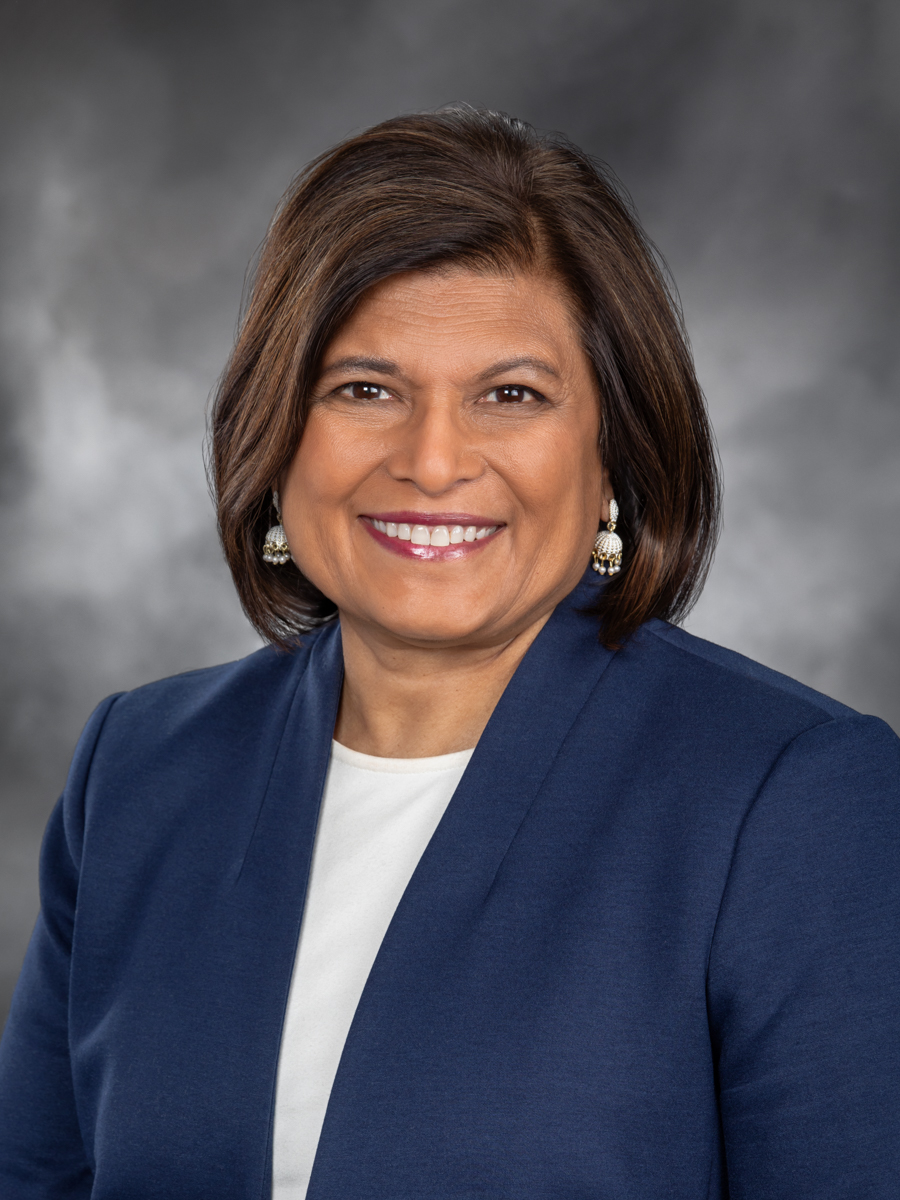
Vandana Slatter
Senate · District 48
|
D |
Support
|
80% | 151 |
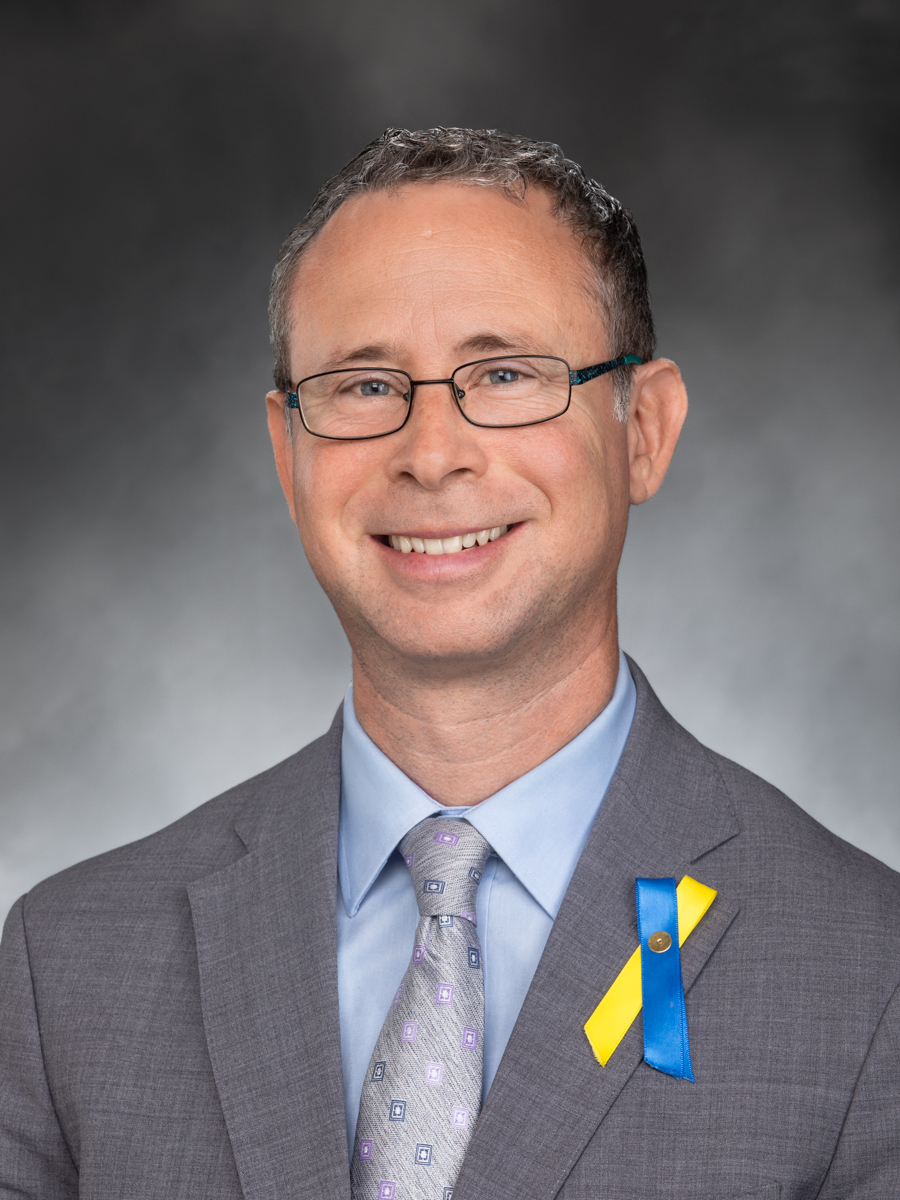
Jesse Salomon
Senate · District 32
|
D |
Support
|
78% | 155 |
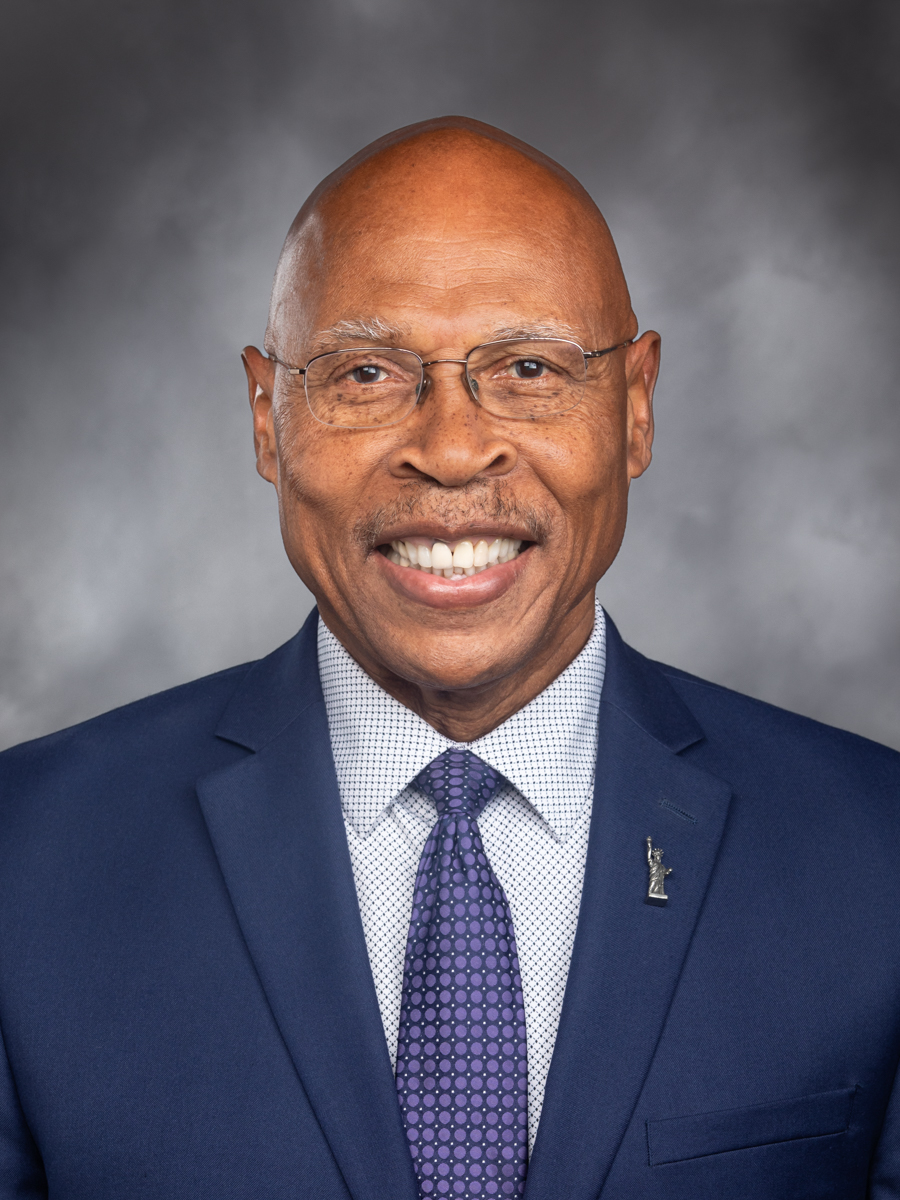
John Lovick
Senate · District 44
|
D |
Support
|
78% | 155 |
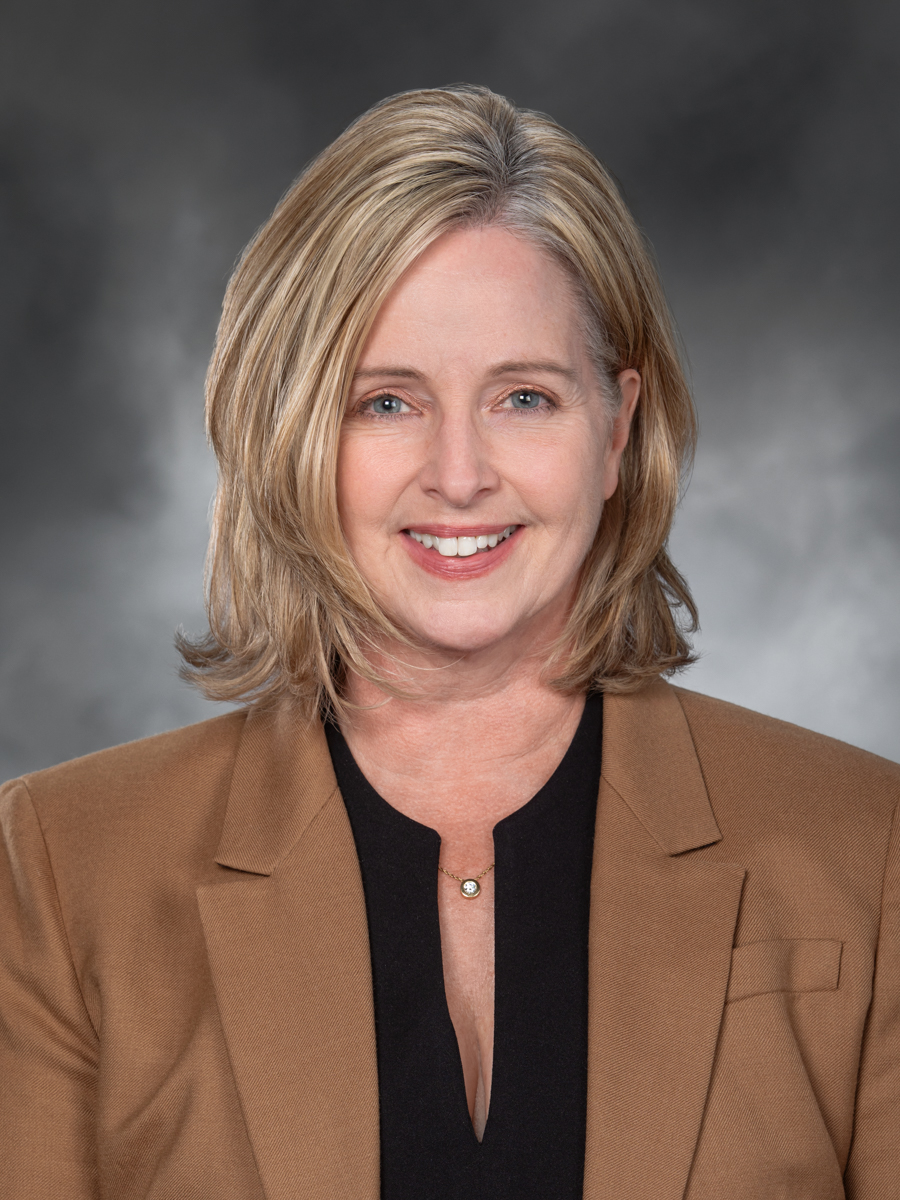
Annette Cleveland
Senate · District 49
|
D |
Support
|
78% | 155 |

June Robinson
Senate · District 38
|
D |
Support
|
78% | 154 |

Zach Hall
House · District 5
|
D |
Oppose
|
25% | 152 |

Leonard Christian
Senate · District 4
|
R |
Oppose
|
28% | 155 |

Jim McCune
Senate · District 2
|
R |
Oppose
|
30% | 152 |

Matt Boehnke
Senate · District 8
|
R |
Oppose
|
31% | 152 |
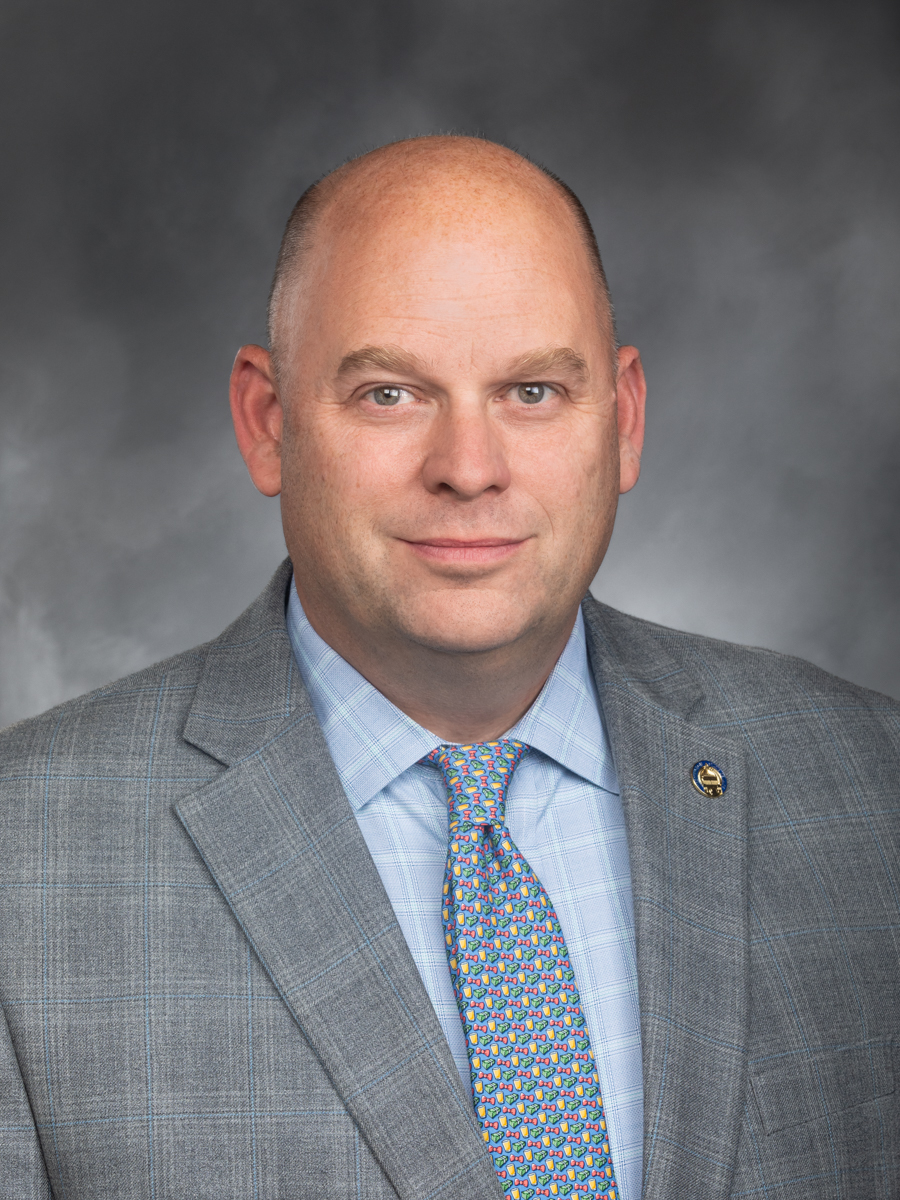
Drew MacEwen
Senate · District 35
|
R |
Oppose
|
32% | 154 |
Showing 501–510 of 627
bills
All budget & taxes bills
HB 1626: Expanding access to grants within the paid family and medical leave insurance program for small school districts.
Topics
✓ Budget & TaxesSupports Budget & TaxesProvides state grants ($3,000/$1,000) to fund small school districts/businesses, increasing government spending on essential paid leave program administration.
✓ EducationSupports EducationProvides direct financial grants ($3,000/$1,000) to small school districts for staffing costs during employee leave, increasing operational support for K-12 schools.
✓ HealthcareSupports HealthcareExpands grants for paid family and medical leave insurance program, strengthening employer participation and access to leave for health-related needs.
✓ Labor & EmploymentSupports Labor & EmploymentExpands financial assistance for paid family/medical leave program, strengthening worker benefits and employer participation in leave coverage.
SB 5285: Incentivizing cities and counties to increase employment of commissioned law enforcement officers.
Topics
✓ Budget & TaxesSupports Budget & TaxesBill authorizes local 0.10% sales tax to fund law enforcement officers, directly increasing government spending on public safety through new tax revenue.
✓ Criminal JusticeSupports Criminal JusticeFunds additional law enforcement officers and permits related criminal justice programs, directly advancing public safety and officer staffing.
HB 1100: Creating a local sales and use tax.
Topics
✓ Budget & TaxesSupports Budget & TaxesAuthorizes local tax revenue for essential services while capping total tax burden, directly funding public safety and infrastructure per bill's purpose.
✓ TransportationSupports TransportationBill funds infrastructure projects (including transportation) via local tax revenue, explicitly allowing use for 'infrastructure' as stated in summary.
HB 2018: Concerning solid waste and establishing the local government solid waste assistance account.
Topics
✓ Budget & TaxesSupports Budget & TaxesIncreases solid waste tax to fund local government waste management programs, directly allocating tax revenue to essential public services.
✓ EnvironmentSupports EnvironmentFunds solid waste management plans via new tax revenue, directly supporting pollution control and resource conservation under environmental protection framework.
HB 1993: Exempting child care providers from the business and occupation tax.
Sub-Topics
Business Taxes
HB 2077: Establishing a tax on certain business activities related to surpluses generated under the zero-emission vehicle program.
Topics
✓ Budget & TaxesSupports Budget & TaxesCreates new tax on ZEV credit profits, with revenue reinvested into programs, aligning with funding public initiatives per topic indicators.
✓ EnergySupports EnergyTax on ZEV credit surpluses funds clean energy programs, advancing renewable energy infrastructure per bill's reinvestment intent.
✗ EnvironmentOpposes EnvironmentTax on ZEV credit profits reduces manufacturer incentive to exceed ZEV requirements, weakening program effectiveness despite revenue reinvestment into environmental programs.
✓ TransportationSupports TransportationBill taxes ZEV credit profits and reinvests revenue to promote zero-emission vehicles, a sustainable transportation initiative.
SB 5400: Supporting local news journalism.
SB 5682: Concerning the Washington customized employment training program.
Topics
✓ Budget & TaxesSupports Budget & TaxesExtends 50% tax credit for business training program, prolonging tax relief to support job retention and economic development without defunding or restricting budgets.
✓ Labor & EmploymentSupports Labor & EmploymentExtends tax credit for business training program funding, directly supporting workforce development and job retention through financial incentives for employment standards.
HB 1277: Creating a sales and use tax exemption for the purchase and use of medical equipment and supplies by a critical access hospital.
Topics
✓ Budget & TaxesSupports Budget & TaxesCreates tax exemption for critical access hospitals on islands near military bases, reducing operational costs for medical equipment/supplies and supporting essential healthcare services.
✓ HealthcareSupports HealthcareExempts sales tax on medical equipment/supplies for critical access hospitals, reducing costs and improving access to healthcare services.