Issue · Budget & Taxes

Budget & Taxes

Every budget & taxes bill, vote, and legislator stance in Washington, automatically classified by Maddy, our AI policy reader.

Total bills
627
2025-2026 Regular Session
Top supporter
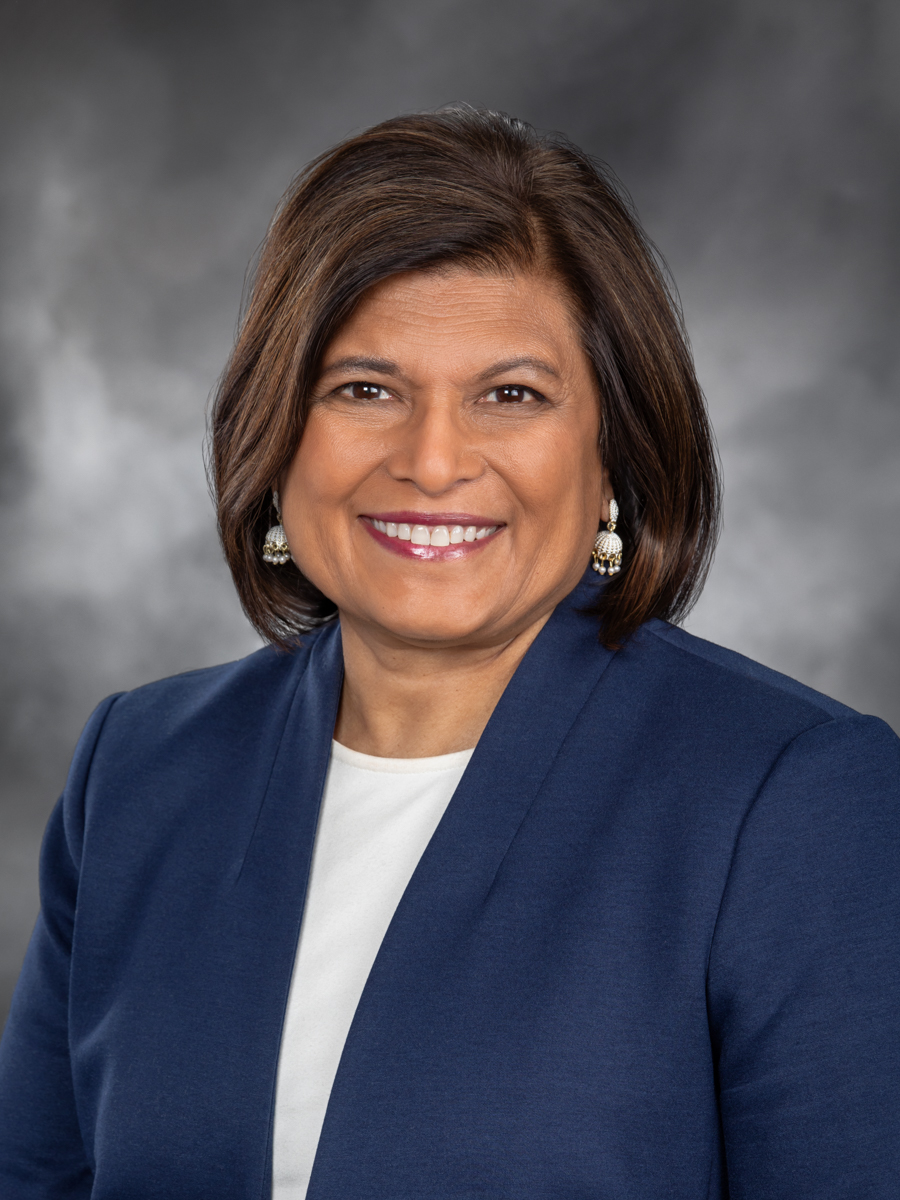
Vandana Slatter
80% support rate
Top opponent
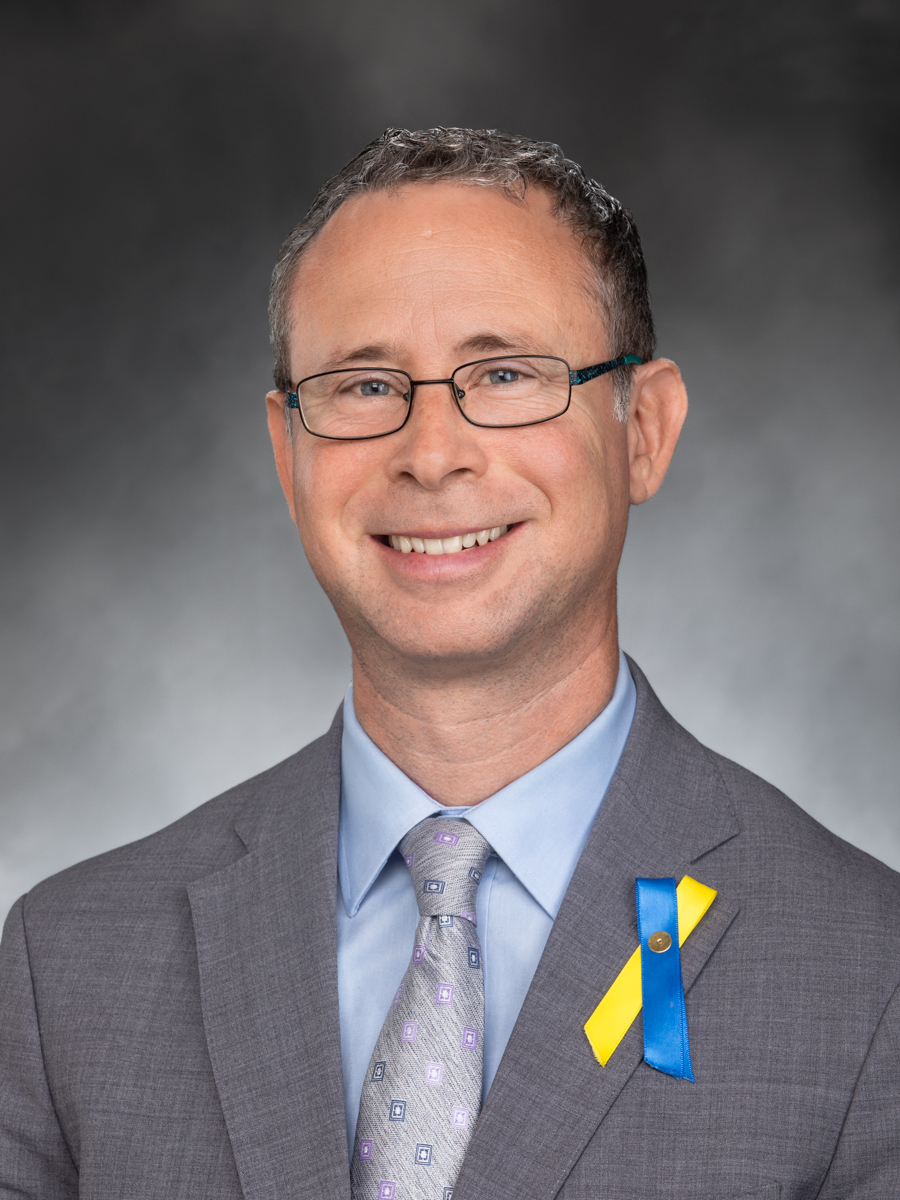
Zach Hall
25% support rate
Ranked legislators
10
5 support · 5 oppose
Key legislators

Who's moving budget & taxes in Washington

Legislators moving budget & taxes in Washington
Legislator Party Stance Support rate Votes
Vandana Slatter
Vandana Slatter Senate · District 48
D
Support
80% 151
Jesse Salomon
Jesse Salomon Senate · District 32
D
Support
78% 155
John Lovick
John Lovick Senate · District 44
D
Support
78% 155
Annette Cleveland
Annette Cleveland Senate · District 49
D
Support
78% 155
June Robinson
June Robinson Senate · District 38
D
Support
78% 154
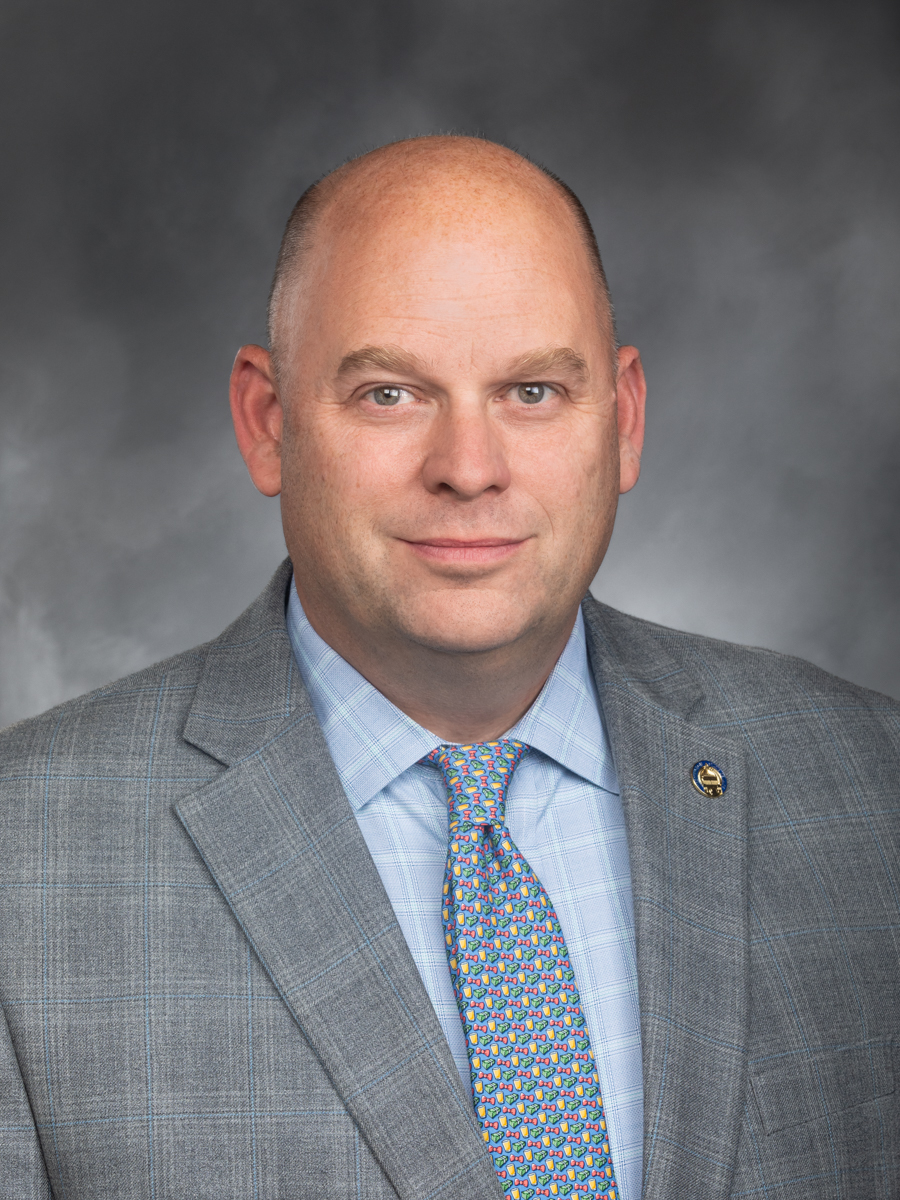
Zach Hall
Zach Hall House · District 5
D
Oppose
25% 152
Leonard Christian
Leonard Christian Senate · District 4
R
Oppose
28% 155
Jim McCune
Jim McCune Senate · District 2
R
Oppose
30% 152
Matt Boehnke
Matt Boehnke Senate · District 8
R
Oppose
31% 152
Drew MacEwen
Drew MacEwen Senate · District 35
R
Oppose
32% 154
Showing 461–470 of 627 bills

All budget & taxes bills

in committee · Washington · Senate Jan 12, 2026

SB 5392: Concerning budget stabilization account transfers.

SB 5392 authorizes a $1.6325 billion transfer from Washington's budget stabilization account to the state general fund by June 15, 2026, to support state services. The bill requires repayment of $816.25 million to the stabilization account by June 30, 2028, and another $816.25 million by June 30, 2029. This transfer directly affects state budget operations, funding general fund services without altering the requirement to balance the budget in future years. The legislation establishes a clear repayment schedule for the temporary fund movement.
Sub-Topics State Budget
in committee · Washington · House Jan 12, 2026

HB 1581: Increasing the statewide 988 behavioral health crisis response and suicide prevention line tax.

HB 1581 increases a tax on communication services to fund Washington's 988 behavioral health crisis line. It raises the tax rate to 70 cents per month for radio access lines, VoIP services, and switched access lines starting in 2026, up from current rates of 40 cents (2023-2025). The tax applies to subscribers and providers of these services within Washington, with proceeds deposited into a dedicated crisis response account. The funding supports suicide prevention and crisis care services, aiming to reduce reliance on emergency rooms and law enforcement for mental health emergencies. The bill does not change existing services but adjusts tax rates to sustain and expand the 988 system.
Sub-Topics Mental Health
signed · Washington · Senate May 20, 2025

SB 5195: Concerning the capital budget.

SB 5195 adopts the capital budget for the state of Washington for the period ending June 30, 2027. This bill appropriates specific dollar amounts from various state funds to be spent on capital projects. Key provisions include funding for infrastructure improvements like the Puget Sound Regional Archives HVAC system and allocations for hosting the 2026 FIFA World Cup. It also provides grants for the development, expansion, and renovation of public and private early learning education facilities. This bill directly affects state agencies, educational institutions, and communities benefiting from these capital investments.
Sub-Topics State Budget
in committee · Washington · House Jan 12, 2026

HB 1664: Providing sufficient funding for the Washington state long-term care ombuds program.

HB 1664 requires Washington's long-term care ombuds program to submit annual funding recommendations by September 1 each year. The recommendations must ensure funding achieves a 1:2,000 ombudsman-to-resident ratio (per Institute of Medicine guidelines), account for projected facility bed growth, inflation, and administrative needs. This directly affects residents in licensed long-term care facilities by mandating sufficient resources to investigate complaints and protect their rights. The bill shifts the program from current underfunding to a structured, annually updated funding process.
Sub-Topics Long-Term Care
in committee · Washington · House Jan 12, 2026

HB 1871: Incentivizing grid-connected residential battery energy storage systems.

HB 1871 creates a state incentive program to help homeowners install grid-connected residential battery storage systems, primarily benefiting low- and moderate-income households. Utilities must establish approved incentive programs requiring at least 40% of benefits to reach these households, with options for time-of-use electricity rates or participation in utility-run virtual power plants. The program mandates income verification for qualifying customers, prohibits leasing, and requires utilities to document costs and protect customer data. Approved programs must be audited biennially by Washington State University Extension. The bill aims to increase grid resilience during outages while supporting clean energy goals.
in committee · Washington · House Jan 12, 2026

HB 1384: Providing tax exemption for the first 20,000 gallons of wine sold by a winery in Washington.

HB 1384 exempts Washington wineries selling fewer than 20,000 gallons of wine annually from most state wine excise taxes on their first 20,000 gallons of sales. This directly benefits small wineries, which often struggle with higher costs compared to larger producers due to limited economies of scale. The bill modifies existing tax rules to apply a reduced $0.0528 per liter tax rate on the first 20,000 gallons instead of the standard tax rate, while exempting them from other taxes under the section for that volume. The policy aims to support small winery growth and job creation in the industry.
Sub-Topics Tax Incentives
in committee · Washington · Senate Jan 12, 2026

SB 5679: Expanding eligibility to utilize the multifamily tax exemption program to all counties required or choosing to plan under RCW 36.70A.040.

SB 5679 expands eligibility for Washington's multifamily tax exemption program to include all counties required or choosing to plan under the Growth Management Act (RCW 36.70A.040), removing a previous population requirement. This change directly affects counties that must develop comprehensive plans under state law, allowing them to apply for the tax exemption program for multifamily housing projects. The bill amends definitions in RCW 84.14.010 to define "county" as any jurisdiction meeting the planning requirement, and adds new criteria for designating residential targeted areas, including mandatory displacement risk evaluations for county-designated areas after July 2021. The policy change aims to increase affordable housing opportunities by broadening access to tax incentives for qualifying multifamily developments.
in committee · Washington · House Jan 12, 2026

HB 1867: Allowing counties or cities to impose a real estate excise tax for the purpose of developing affordable housing, subject to the will of the voters.

HB 1867 allows Washington counties or cities to impose a real estate excise tax of up to 0.5% on home sales, with proceeds dedicated exclusively to developing affordable housing for very low, low, and moderate-income residents and those with special needs. Local governments must first gain voter approval through a majority vote in an election, either via a resolution from local officials or a petition signed by 10% of eligible voters. The tax revenue must be managed through a competitive grant process for nonprofit housing providers, housing authorities, or public agencies, with spending plans requiring public hearings. Counties and cities cannot levy this tax if the county has already implemented a similar tax under prior law. This bill directly affects local governments and homebuyers/sellers in communities that choose to adopt the tax.
in committee · Washington · House Jan 12, 2026

HB 1832: Improving student performance and success.

HB 1832 aims to improve student performance in Washington state by focusing on evidence-based literacy and math instruction, primarily affecting public schools, students in grades K-4, and educators. It mandates schools to implement science-based reading programs by 2027-28 (emphasizing phonics, fluency, and comprehension), prohibits guessing-word methods, and requires hiring reading coaches in elementary schools. The bill allocates $250 per eligible student (adjusted for inflation) to school districts for targeted support, calculated based on the percentage of students not meeting grade-level standards in math and English language arts. Additionally, it updates teacher training standards to align with the science of reading and requires the superintendent to monitor school compliance with new literacy requirements.
Sub-Topics Teachers
in committee · Washington · House Jan 12, 2026

HB 1202: Concerning state general obligation bonds and related accounts.

HB 1202 authorizes the state of Washington to issue $4.87 billion in general obligation bonds to fund capital projects approved in future state budgets. The bill directs bond proceeds to specific state accounts: $4.31 billion to the state building construction account and $555 million to a taxable building construction account, with funds later transferred to designated programs like outdoor recreation, habitat conservation, and early learning facilities. It establishes procedures for repaying bond principal and interest using state general revenues and requires annual certification of payment needs. The bill does not specify individual projects but creates the financial framework for funding state capital projects through bond sales.
Showing 461 to 470 of 627 bills
Previous 1 46 47 48 63 Next