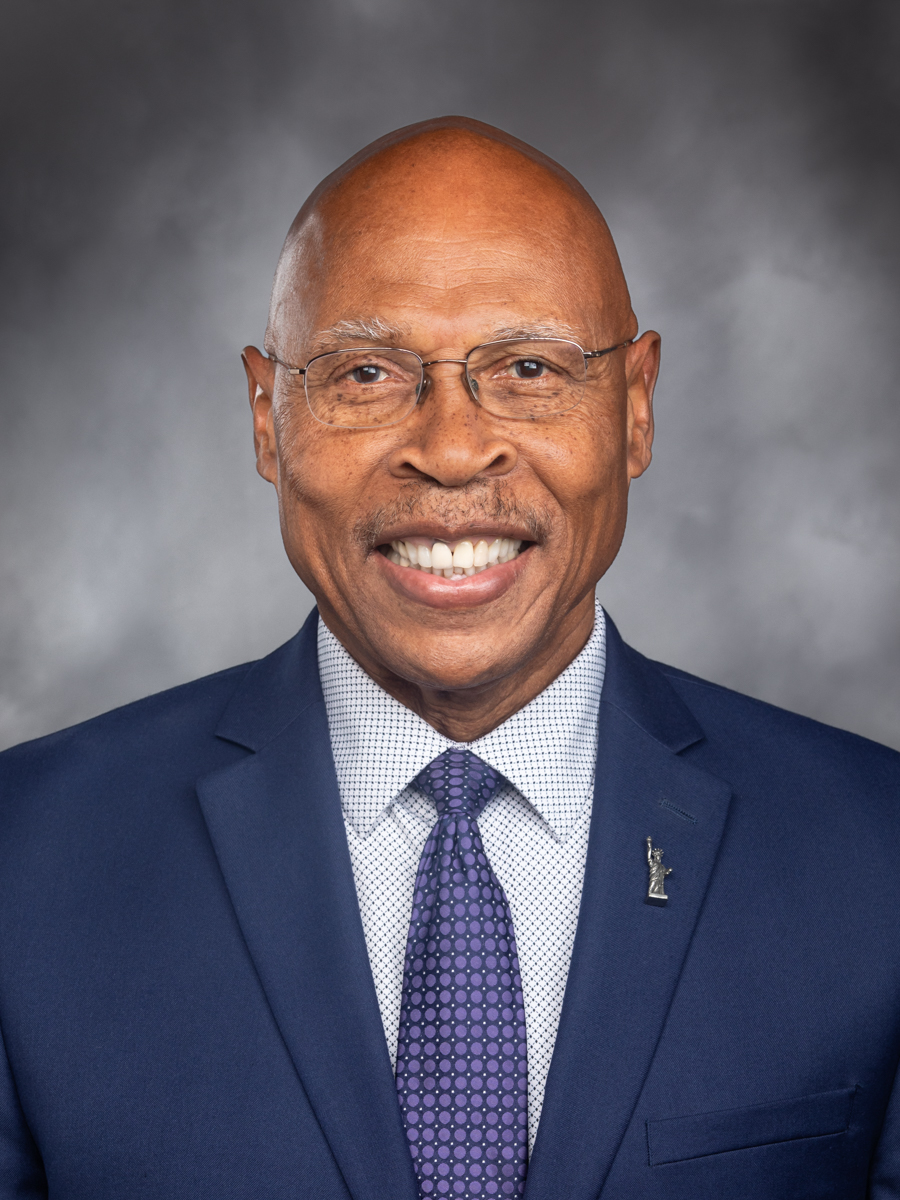
HB 2610 expands property tax exemptions for nonprofit housing providers in Washington State by allowing temporary use of their properties for community events (like meetings or festivals) without losing the exemption, even if these uses aren't for affordable housing. The bill clarifies that such temporary uses qualify as long as rental fees cover maintenance costs, the property isn’t used for profit, and total non-housing use doesn’t exceed 50 days per year (with no more than 15 days for business activities). It specifically amends tax code sections to include these community purposes under existing exemption rules, while maintaining safeguards like requiring reasonable fees and prohibiting repeated non-compliant use. This directly affects nonprofit housing organizations seeking to host community events on their properties without risking tax liability.
HB 2338 authorizes community-scale weatherization projects that cover multiple homes in the same neighborhood facing shared environmental, social, or economic challenges. Sponsors like community groups, tribes, or utilities can apply for state funds to implement energy efficiency upgrades, structural repairs, and healthy housing improvements across entire neighborhoods - rather than just single homes. The department must prioritize proposals serving areas with environmental health disparities and low-income households (defined as 80% of median income), requiring data-driven community assessments. Projects must include energy audits and avoid charging households for weatherization services, while aligning with federal energy efficiency programs.
This bill preserves timber tax funding for Washington school districts that recently failed to pass local levies. It requires counties to use the highest previous year's levy rate (from the last two years) when calculating distributions if a district doesn't impose a current levy. The key mechanism ensures school districts continue receiving timber tax funds for non-debt purposes, even after levy failure, by basing calculations on historical rates. This directly affects school districts that have experienced levy failures within the last two years. The policy change modifies existing distribution rules under RCW 84.33.081 to maintain stable funding for school operations.
HB 2353 raises Washington State's predesign threshold for major capital construction projects from $10 million to $15 million, with annual inflation adjustments starting July 1, 2027. It requires state agencies to conduct predesign reviews for projects exceeding this threshold, including value-engineering analysis and cost comparisons, to improve efficiency. The bill directly affects state agencies planning large facilities like schools or infrastructure, ensuring projects over $15 million (adjusted for inflation) undergo formal cost and design evaluations. The legislation also establishes reporting requirements for exceptions to these reviews, maintaining transparency in budgeting for public construction.
HB 2254 proposes changes to how mental health program costs are funded in Washington State. It requires health carriers, self-funded health plans, and employers to pay a proportional share of administrative costs for partnership access lines and psychiatric consultation services based on their share of insured residents served by these programs. The bill allows third-party administrators' reasonable costs to be included in the assessment, but excludes the Health Care Authority's own administrative expenses. This would shift some funding responsibility from state budgets to covered health entities while maintaining state funding for programs under Chapter 74.09 RCW.
SB 5872 creates the "preK promise account" to fund Washington's early childhood education and assistance program. The account, managed by the state treasurer, accepts gifts, grants, and donations specifically for this program, with funds tracked separately by donor. It prohibits leftover funds from reverting to the general state budget at the end of each biennium. The bill ensures dedicated, ongoing support for early childhood education services without requiring annual legislative appropriations.
HB 2650 creates a tax deferral program for property owners developing affordable housing on underdeveloped land (like surface parking lots) in qualifying cities. It requires owners to complete construction within three years, offer housing to low/moderate-income households (costing ≤30% of income), and submit verification to cities within 30 days of a certificate of occupancy. Cities must then confirm compliance with affordability and construction standards before the Department of Revenue finalizes the sales/use tax deferral. The bill directly affects property developers, local cities administering the program, and the Department of Revenue. If requirements aren’t met, cities can deny the deferral or require interest on nonqualifying taxes.
HB 2140 exempts land classified under Washington's current-use property tax program (e.g., farmland, forestland) from additional taxes when sold or transferred to a governmental entity. This directly affects landowners selling to governments (like counties or schools) and the governments purchasing such land. The bill amends tax code to clarify that these transfers do not trigger the usual penalty tax, which normally applies when classified land changes ownership. The key provision removes the requirement to pay retroactive taxes for up to seven years (four years for farmland after 2025) when land is sold to a government for continued use. This is a procedural tax code adjustment with no new spending or regulations.
HB 2133 makes permanent a property tax exemption for multipurpose senior citizen centers that was originally established temporarily in 2017. The bill modifies state law to ensure these centers no longer lose their tax exemption after the temporary period ends, directly affecting qualifying senior centers that provide community services. This change removes the temporary nature of the exemption created under Chapter 301, Laws of 2017, ensuring ongoing tax relief for these facilities.
House Bill 1833 establishes the Spark Act Grant Program in Washington state, designed to support startups, research institutions, and companies developing innovative artificial intelligence (AI) technologies. The Department of Commerce will administer these grants, which will be funded through a dedicated account receiving legislative appropriations, private donations, and federal funds. Grants will be awarded annually, prioritizing applicants committed to ethical AI use, risk analysis, small businesses, and projects with statewide impact such as wildfire tracking, cybersecurity, or healthcare advancements. Eligible applicants must propose technology that will be shared with and provide a benefit to the state, with the program's progress and impact reported biennially.