

Telemedicine. Clarifies that nothing shallpreclude coverage of telehealth services by an insurer proposing to issue individual or group accident and sickness insurance policiesproviding hospital, medical and surgical, or major medical coverageon an expense-incurred basis; a corporation providing individualor group accident and sickness subscription contracts; or a healthmaintenance organization providing a health care plan for healthcare services. The bill requires the Board of Medical AssistanceServices to amend the state plan for medical assistance to providefor payment of medical assistance for remote patient monitoring servicesprovided via telemedicine for certain high-risk patients, and providesfor the establishment of a practitioner-patient relationship viatelemedicine for the prescribing of Schedule II through VI controlledsubstances.
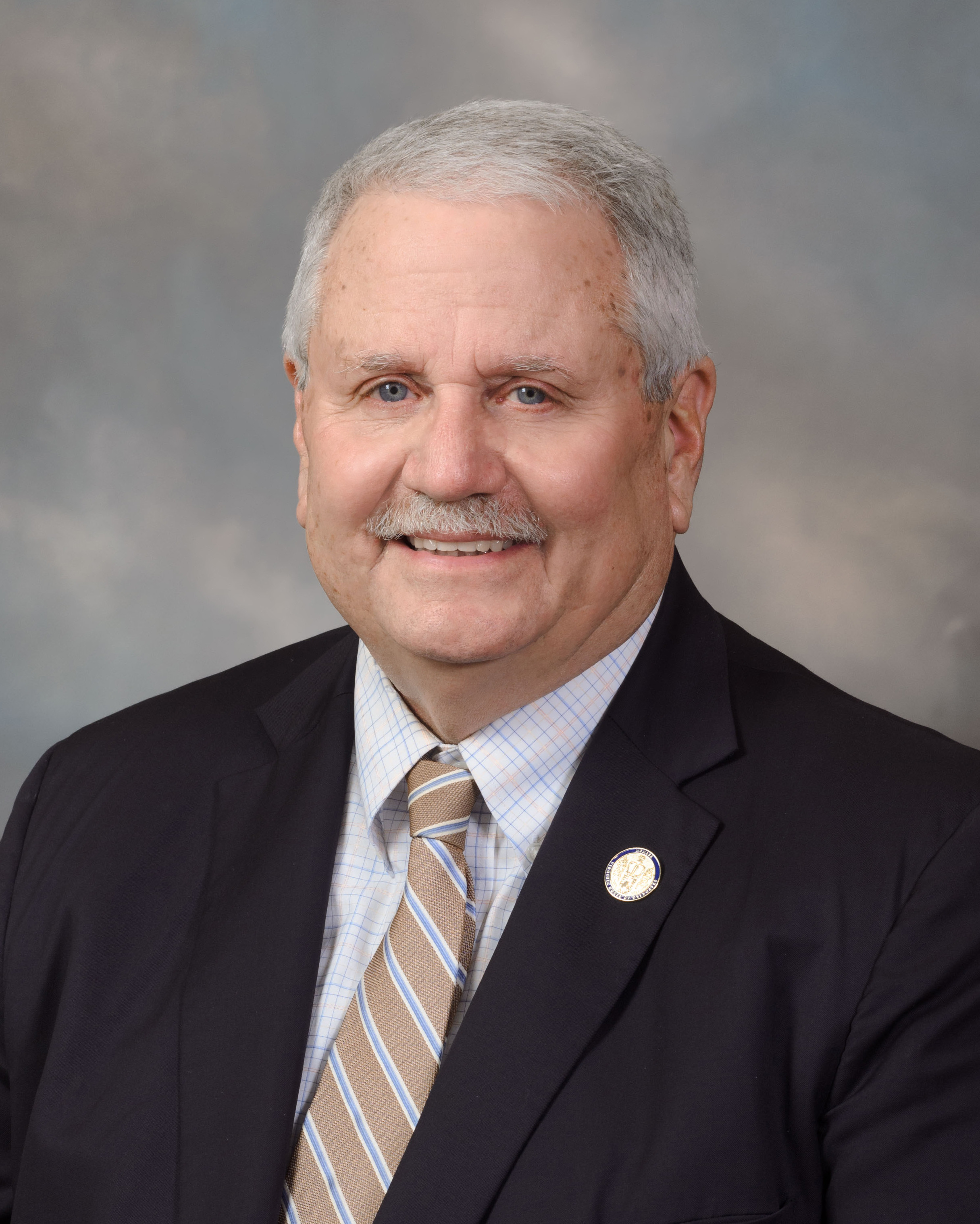
Del. Buddy Fowler
Sponsored bills
Department of Veterans Services; Military Spouse Liaison; position created. Establishes the position of Military Spouse Liaison (the Liaison) in the Department of Veterans Services to conduct outreach and advocate on behalf of military spouses in the Commonwealth. The bill directs the Liaison to report by December 1 of each year through the Commissioner of the Department of Veterans Services to the Secretary of Veterans and Defense Affairs, the Governor, and the General Assembly on the work of the Liaison and any legislative recommendations. The provisions of the bill are contingent on funding in a general appropriation act.
Board of Pharmacy; pharmaceutical processors; processing and dispensing cannabis oil; report. Effects numerous changes to the processing and dispensing of cannabis oil by pharmaceutical processors in the Commonwealth. The bill allows written certifications for use of cannabis oil to include an electronic practitioner signature. The bill also eliminates the requirement that a pharmacist have oversight of the cultivation and processing areas of a pharmaceutical processor, instead requiring pharmaceutical processors to designate a person to oversee cultivation and production areas; removes the requirement that a cannabis dispensing facility undergo quarterly inspections, instead requiring that inspections occur no more than once annually; and allows pharmaceutical processors to remediate cannabis oil that fails any quality testing standard. The bill requires pharmaceutical processors to maintain evidence of criminal background checks for all employees and delivery agents of the pharmaceutical processor. The bill directs the Board of Pharmacy to promulgate regulations implementing the provisions of the bill and regulations creating reasonable restrictions on advertising and promotion by pharmaceutical processors by July 1, 2021, and directs the Board of Pharmacy to solicit input from stakeholders and appropriate agencies of the Commonwealth in order to develop recommendations for legislative action to permit the acceptance of cannabis products by hospices and hospice facilities in the Commonwealth and report its findings and recommendations to the Chairmen of the House Committee on Health, Welfare and Institutions and the Senate Committee on Education and Health by October 1, 2021.
Farmers market food and beverage sales consideredessential during state of emergency. Provides that any Commonwealth-basedseller at a farmers market of food or beverage products, and thefarmers market in which it is located, shall be considered an essentialbusiness to the same extent as grocery stores if such stores areallowed to remain open as essential businesses during a state ofemergency declared by the Governor.
Special license plates; military decorations. Establishes a system for determining the cost of special license plates for recipients of a military decoration based on the order of precedence of such military decoration as determined by the federal Department of Defense or other relevant federal agency. The bill authorizes the Department of Motor Vehicles to issue plates with a "V" for Valor Device on appropriate plates issued by the Department reflecting a military decoration. The bill provides that special license plates for recipients of a military decoration are exempt from the prepaid application requirement for special license plates and may be issued to unremarried surviving spouses of eligible recipients. The bill creates special license plates for recipients of the Distinguished Flying Cross with a "V" for Valor, the Airman's Medal, the Army Soldier's Medal, the Coast Guard Medal, the Distinguished Service Medal, the Navy Distinguished Service Medal, the Marine Corps Distinguished Service Medal, the Air Force Distinguished Service Medal, the Defense Distinguished Service Medal, and the Defense Superior Service Medal. The bill changes from one-time to annual the $10 fee for certain special license plates issued after the effective date of this bill.
Disposing of litter; penalty. Increasesthe fine for dumping or disposing of litter, trash, or other unsightlymatter on public or private property from a minimum of $250 and amaximum of $2,500 to a minimum of $500 and a maximum of $5,000. Thebill also increases the mandatory minimum period of community servicein lieu of confinement in jail from 10 hours to 40 hours.
Special license plates; Virginia National Guardretirees. Removes the fee for the issuance of a special licenseplate for retired members of the Virginia National Guard. Currently,such special license plates cost the same as the prescribed costfor a typical Virginia license plate.
Special license plates; member of the VirginiaNational Guard. Removes the fee for the issuance of special licenseplates to a member of the Virginia National Guard. Current law providesthat such special license plates are issued at half the prescribedcost of state license plates. The bill does not change the fee forpersonalized special license plates.
Children's Services Act; special education programs. Requires that funds expended for private special education services under the Children's Services Act only be expended on educational programs that are licensed by the Board of Education or an equivalent out-of-state licensing agency. The bill also provides that as of July 1, 2022, such funds may only be expended for programs that the Office of Children's Services certify as having reported their tuition rates.The bill adds children and youth previously placed in approved private school educational programs for at least six months who will receive transitional services in a public school setting to the target population for eligibility for the state pool of funds. The bill provides that state funds shall be allocated for no longer than 12 months for transitional services.The bill requires the Secretaries of Education and Health and Human Resources, in conjunction with the Office of Children's Services and the Department of Education, to establish a work group (the Work Group) with appropriate stakeholders to develop a detailed plan to direct the transfer of Children's Services Act funds currently reserved for children requiring an educational placement in a private special education day school or residential facility to the Department of Education, as well as several other topics. The bill requires that the Work Group submit its plan and recommendations to the Chairmen of the House Committee on Appropriations and Senate Committee on Finance and Appropriations by November 1, 2021, as well as a final plan and recommendations by November 1, 2022.
Children's Services Act; special education programs. Requires that funds expended for special education services under the Children's Services Act only be expended on educational programs that are licensed by the Department of Education. The bill adds children and youth previously placed in approved private school educational programs for at least six months who will receive transitional services, as that term is defined in the bill, in a public school setting to the target population for eligibility for the state pool of funds, provided, however, that such funds shall be allocated for such transitional services for no longer than 12 months. The bill requires the Secretary of Education, in conjunction with the Office of Children's Services and the Department of Education, to establish a work group (the Work Group) with, at minimum, certain identified stakeholders to develop a detailed plan to direct the transfer of Children's Services Act funds currently reserved for children requiring an educational placement in a private special education day school or residential facility to the Department of Education and to develop a standardized reporting process, template, and reporting requirement for private special education day school tuition rates to ensure that tuition rates can be accurately compared across schools and over time, among other duties. The bill requires that the Work Group submit its plan and recommendations to the Chairmen of the House Committee on Appropriations and Senate Committee on Finance and Appropriations by November 1, 2021.