

Maddy summaryThis bill establishes the AI Research and Oversight in Courts Task Force to study how artificial intelligence speech-to-text and automatic speech recognition technologies are used in federal and state courts across the United States. The 15-member task force, composed of government officials and independent experts, will assess issues related to accuracy, privacy, civil liberties, and costs associated with these technologies in the judicial system. Within 18 months of enactment, the group must submit a final report to Congress with findings and recommendations on whether these technologies affect court record integrity, alter speech from individuals with accents or speech impediments, and pose cybersecurity risks. The task force will also examine whether court records should include watermarks or metadata to indicate AI involvement and provide guidance on vendor selection for these technologies.
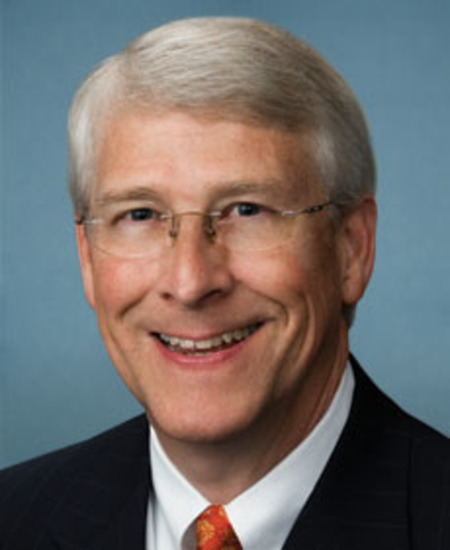
Sen. Roger F. Wicker
Sponsored bills
Maddy summaryS 2903, the Safe Step Act, requires health insurance plans and employers offering health coverage to establish a clear, timely process for patients or doctors to request exceptions when step therapy protocols (where insurers require trying cheaper drugs first) would harm a patient. It mandates approval for exceptions if prior drugs failed, delay would cause severe harm, a drug is unsafe, or a patient is stable on their current medication. Plans must respond to requests within 72 hours (or 24 hours in emergencies) and cover the requested drug without extra cost-sharing. The bill also requires annual reports to the government on exception requests, approvals, denials, and trends by medical condition or specialty. This directly affects patients on health plans with step therapy, their doctors, and the insurers managing those plans.
Maddy summaryThis bill amends federal education funding rules to prioritize civics and American history education in K-12 schools. It changes eligibility criteria for certain grants under the Elementary and Secondary Education Act by requiring programs to: (1) improve teaching of American history, civics, or government; (2) focus on underserved students and demonstrate innovation; (3) include hands-on civic activities; and (4) teach the Constitution and Bill of Rights. The changes directly affect schools applying for these federal grants by setting new standards for funding approval. The bill modifies existing law without creating new programs or funding streams.
Maddy summaryS 2287, the Palliative Care and Hospice Education and Training Act, establishes federal funding to expand training for health professionals in palliative and hospice care. The bill creates multiple programs including grants for education programs, fellowships for faculty to gain specialized training, and career incentive awards for students pursuing palliative care specialties. It prioritizes training in rural and underserved areas, for pediatric populations, and for racial and ethnic minorities. The bill authorizes $15 million annually through 2030 to build a more skilled palliative care workforce for patients with serious or life-threatening illnesses.
Maddy summaryThe SPARC Act creates a federal loan repayment program to address specialty healthcare shortages in rural areas. It provides up to $250,000 in repayment for specialty physicians (non-primary care doctors) and non-physician providers (like nurse practitioners) who commit to six years of full-time work in underserved rural communities. Eligible loans include federal education debts like Stafford and Perkins loans, with participants required to serve in designated shortage areas to receive benefits. The program prevents double-benefits with other federal loan forgiveness programs and requires annual reporting on program impact through 2033.
Maddy summaryThis bill requires the U.S. Secretary of State to work with the Secretary of Defense and submit a report to Congress within 180 days on emerging threats facing Estonia, Latvia, and Lithuania. The report will examine military, cyber, and political dangers from countries like Russia, Belarus, China, and Iran, while also assessing current U.S. and NATO security presence in the region. It includes recommendations for improving defense cooperation, cybersecurity, and democratic resilience in the Baltic states, and highlights opportunities to strengthen bilateral and multilateral partnerships. The legislation reflects Congress's view that supporting these NATO allies aligns with U.S. national security interests.
Maddy summaryThis bill would allow federal law enforcement officers, including retired officers, to purchase firearms that have been retired from federal service. It requires the General Services Administrator to create a program where officers can buy these surplus weapons within six months of retirement, provided they are in good standing with their agency. The firearms would be sold at salvage value, which reflects their age and condition, and the program must be established within one year of the bill's enactment. The legislation defines eligible officers and firearms using existing legal definitions while excluding certain machineguns that were not lawfully possessed before specific federal restrictions took effect.
Maddy summaryThis bill, known as the PREDICT Act, directs the federal government to provide funding to states, tribes, and local health departments for wastewater surveillance programs designed to detect and monitor infectious diseases. The legislation requires the Secretary of Health and Human Services to award grants and contracts to eligible entities that submit detailed plans for wastewater sampling, data sharing, and response strategies. Funds can be used to establish new testing capabilities, expand surveillance in rural areas and facilities without proper wastewater treatment, and implement evidence-based monitoring practices. The bill also mandates the creation of technical assistance programs and standardized testing guidelines to ensure consistent data collection and reporting across all participating jurisdictions.
Maddy summaryThis bill extends the authorization period for the Young Fishermen's Development Program from 2026 to 2031 by amending Section 5(a) of the existing law. It directly affects young commercial fishermen who rely on the program for training, financial assistance, and support to enter or expand their fishing businesses. The key mechanism is a simple date change in the law’s expiration timeline, ensuring current program funding and operations continue without altering existing eligibility or benefits. The bill does not introduce new requirements or funding streams - it only prolongs the existing program’s validity. This is a procedural extension, not a substantive policy change.
Living Donor Protection Act of 2025 This bill prohibits life insurance, disability insurance, and long-term insurance carriers from denying or otherwise restricting coverage for living organ donors. Specifically, carriers may not deny, cancel, vary premiums, or otherwise impose conditions on policies based on an individual's status as a living organ donor. The bill also expressly specifies that recovery from organ-donation surgery constitutes a serious health condition that entitles eligible employees to job-protected medical leave. In addition, the Department of Health and Human Services must update educational materials on living organ donation to include information about the benefits and risks of living organ donation and the impact of donation on insurance access, particularly with respect to the bill's changes.