

Maddy summaryThis bill directs Vermont's Commissioner of Motor Vehicles to update the state's School Bus Manual and revise commercial driver's license tests by January 1, 2024. The manual update aims to align it with other state manuals, remove legal jargon, and clarify requirements with illustrations through public input gathered at five statewide meetings. The bill also requires knowledge tests for school bus operators to focus only on skills relevant to the specific type of vehicle they will drive. Additionally, it mandates the creation of at least four practice test locations across the state to help drivers prepare for skills exams under realistic conditions. These changes directly affect commercial driver training programs, school bus operators, and individuals seeking to operate large passenger vehicles in Vermont.
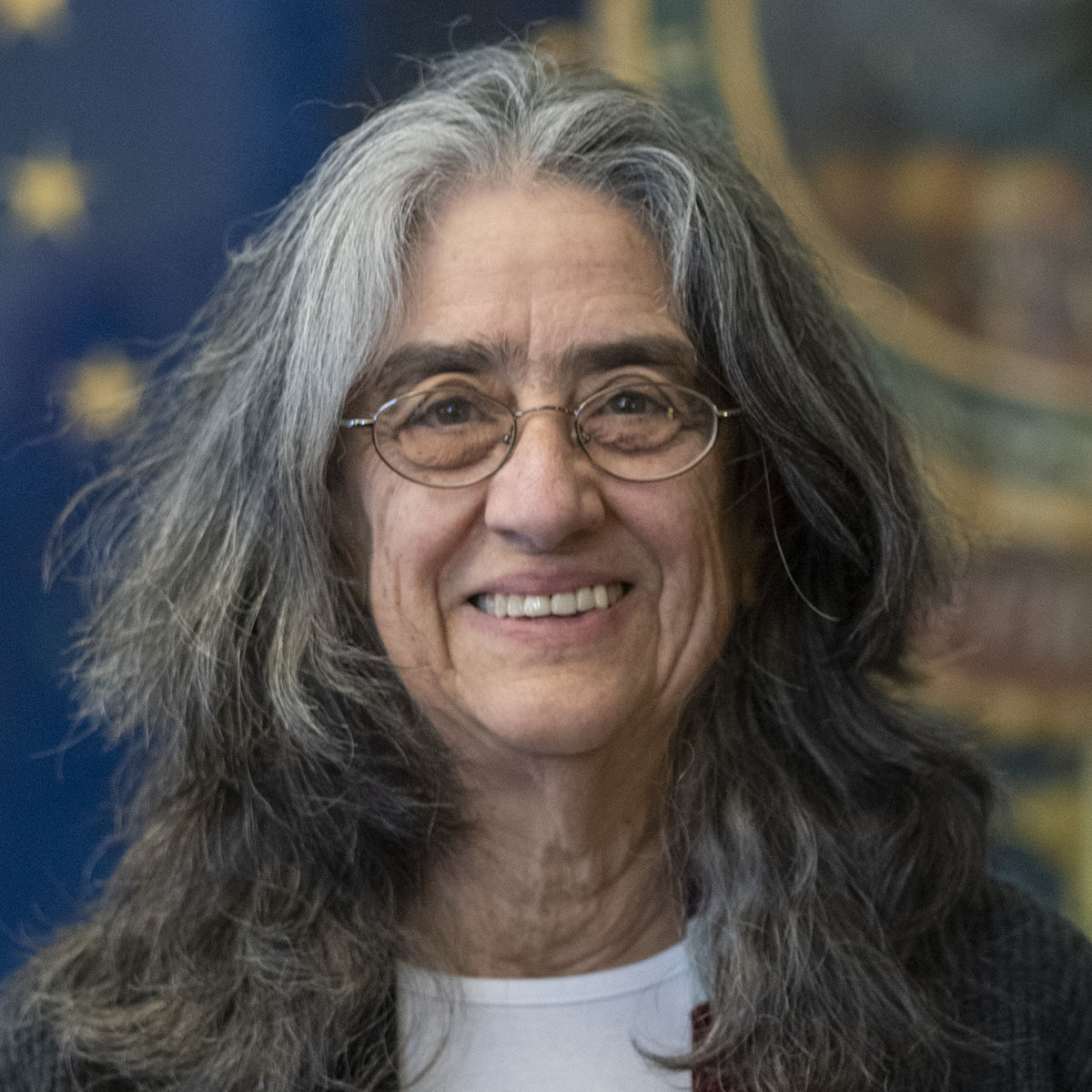
Rep. Leslie Goldman
Sponsored bills
Maddy summaryThis bill aims to reduce the use of cash bail in Vermont by prohibiting it for most misdemeanor cases charged through a citation or eligible for expungement, while allowing courts to set bail up to $200 only when flight risk is a concern. It requires multiple criminal justice agencies to collaborate and submit recommendations by December 2023 on how to eliminate cash bail entirely for mitigating flight risk. The legislation also mandates the Department of Corrections to collect and report racial data on pretrial detainees and directs the Judiciary to create an electronic notification system for court hearings by July 2025 to reduce missed appearances.
Maddy summaryThis bill requires Vermont's Commissioner for Children and Families to annually adjust the maximum financial assistance amounts for families participating in the Reach Up program. The adjustments will be based on the Consumer Price Index for all urban consumers and U.S. Department of Housing and Urban Development Fair Market Rents data. The legislation also allows housing allowances to be increased up to 120 percent of fair market rents for families that include an individual with a disability. These changes would take effect on July 1, 2023, and directly affect families receiving financial assistance through the Reach Up program.
Maddy summaryThis bill introduces several measures aimed at improving firearm safety and accountability in Vermont. It requires firearms not in immediate possession to be securely stored separately from ammunition, mandates dealers to post storage guidelines and provide written safety information, and establishes criminal and civil liability for unsafe storage that leads to injury or death. The legislation also adds a 10-day waiting period for all firearm sales, allows family members to petition for emergency risk protection orders, prohibits firearm possession at licensed alcohol-serving venues, and bars individuals convicted of hate-motivated crimes from owning firearms. Additionally, the bill includes funding to help residents purchase secure storage equipment.
Maddy summaryThis bill creates the Affordable Heat Act, which establishes a Clean Heat Standard to reduce greenhouse gas emissions from heating in Vermont's residential, commercial, and industrial sectors. The program requires energy companies and heating fuel sellers to earn tradeable clean heat credits by delivering low-carbon heating technologies, efficiency improvements, or weatherization services to customers. The Public Utility Commission will manage the credit system and ensure the program protects low-income households and minimizes costs for all energy users.
Maddy summaryThis bill establishes a formal licensing system for freestanding birth centers in Vermont, requiring operators to obtain a license from the Department of Health before opening or running such facilities. The legislation mandates that health insurance plans and Medicaid cover prenatal, maternity, postpartum, and newborn services at birth centers, while exempting these facilities from certificate of need reviews. To obtain a license, birth centers must meet minimum standards for health, safety, sanitation, and patient complaint processes, with renewal simplified for centers already accredited by national organizations. The Department of Health will conduct inspections, post violation reports online, and maintain confidential records while adopting rules to align with national birth center standards.
Maddy summaryThis bill aims to make housing more affordable by reducing zoning restrictions and regulatory barriers that limit where and how people can build homes. It directly affects local governments, developers, and residents by establishing statewide standards for residential zoning. Key provisions include requiring duplexes and small apartment buildings in areas with municipal water and sewer, limiting parking requirements to one space per unit, and allowing accessory dwelling units under the same rules as single-family homes. The legislation also prohibits deed restrictions that limit dwelling size or parking, requires municipalities to report new zoning rules to the state, and strengthens enforcement of fair housing laws.
Maddy summaryThis bill establishes the Public Utility Commission's authority to regulate thermal energy networks, which distribute heat from noncombustible sources like geothermal systems to buildings for heating and cooling. It requires the Commission to create rules for permitting these networks and mandates a public good certificate before any company can build such infrastructure, ensuring projects align with regional and municipal planning. The legislation also prohibits expanding natural gas service into new areas and directs the Commission to develop a tiered discount system for low-income energy assistance. Additionally, it sets up a collaborative group to design an electricity affordability program focused on helping low-income residential customers pay their utility bills.
Maddy summaryThis bill creates a Landfill Siting Commission to identify a new landfill location in Vermont, as the current Coventry landfill is expected to operate for only 22 more years. The commission would include representatives from the legislature, governor, civil engineers, geologists, and experts on environmental justice, and must recommend at least two potential sites or determine if out-of-state waste transport is more cost-effective by January 2024. The bill also establishes a Vermont Materials Management Council to assist with long-term solid waste planning and bans disposal of certain waste types like leachate and sludge from uncertified facilities. Additionally, it creates a Landfill Closure and Planning Account funded by increased taxes on solid and hazardous waste to support closing existing landfills, planning new ones, and remediating contamination.