

Maddy summaryThis bill proposes to gradually implement Green Mountain Care, a publicly financed health care program for all Vermont residents, over a ten-year period. It would begin with primary care coverage in the first year, add preventive dental and vision care in the second year, and expand to additional services in subsequent years based on recommendations from an advisory group. The legislation requires the Green Mountain Care Board to analyze and report on financing sustainability, economic impact, and cost containment measures before full implementation. It also seeks a federal waiver to adjust health insurance benefits and funding to avoid duplication with Green Mountain Care coverage.
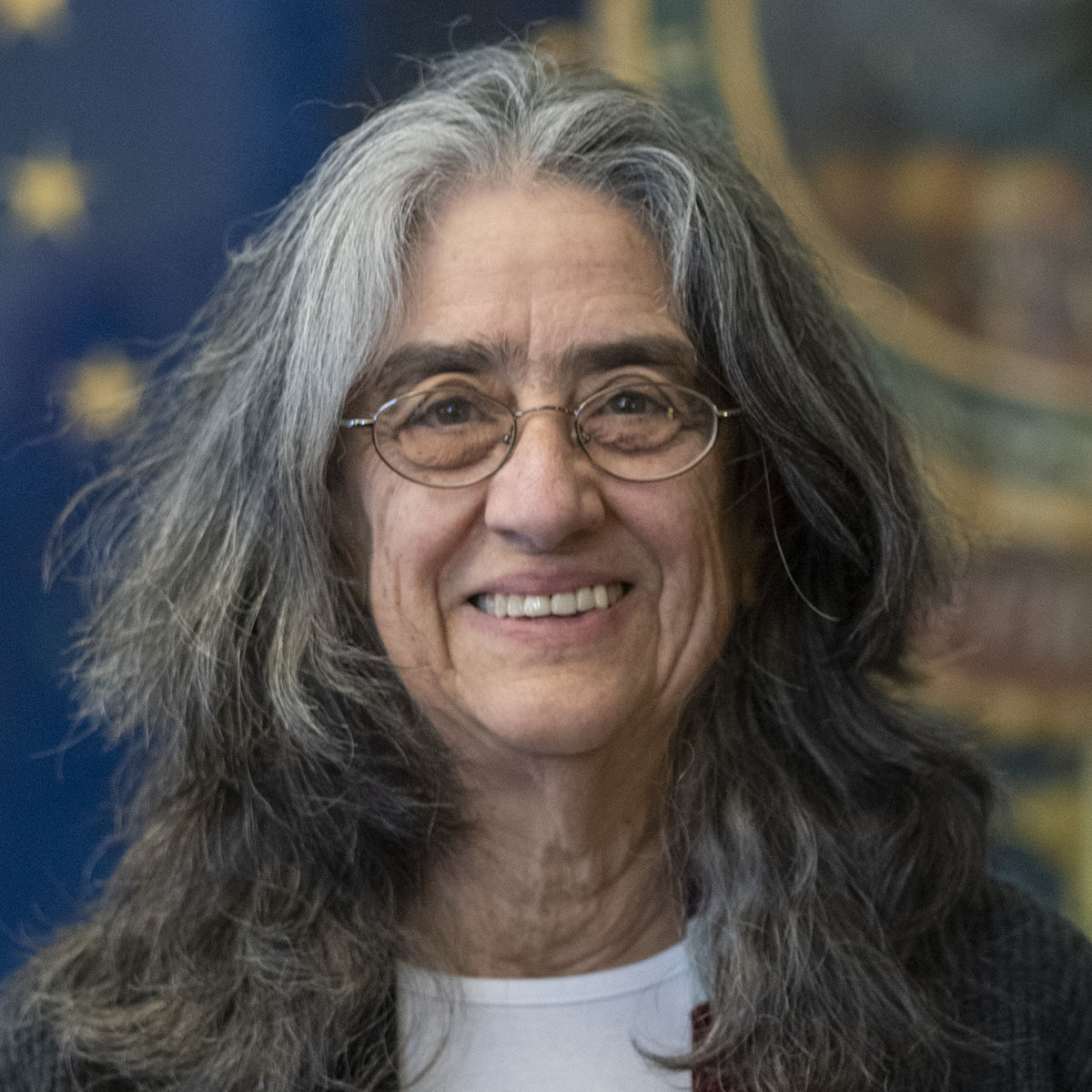
Rep. Leslie Goldman
Sponsored bills
Maddy summaryThis bill establishes a default maximum speed limit of 35 miles per hour for unposted and unpaved town highways in Vermont. It directly affects municipalities that maintain these roads, which are currently mapped under state law but lack posted speed limits. The law would apply automatically to these roads unless towns choose to post different limits, standardizing speed regulations for unpaved municipal routes across the state. This change aims to provide clear guidance for drivers on rural town roads that do not currently have visible speed limit signs.
Maddy summaryThis bill would limit how much landlords in Vermont can raise rent each year and restrict the maximum amount of security deposits they can charge. Rent increases would be capped at the average of the Consumer Price Index over the previous 12 months or six percent, whichever is lower, unless landlords can prove higher costs for repairs or other urgent needs. Security deposits would be limited to one month's rent and could be applied as the final month's rent if the tenant leaves the property in good condition. These changes would directly affect residential tenants and property owners across the state.
Maddy summaryThis bill is a ceremonial resolution that honors organizations and individuals working to improve rural broadband access in Vermont. It recognizes the Communications Union Districts (CUDs) and related groups like the Vermont Communications Union Districts Association and the Vermont Community Broadband Board for their efforts in building broadband networks. The resolution acknowledges past legislative actions that created funding and oversight structures to support these broadband initiatives. It does not change any laws or policies but serves to formally recognize the achievements of these groups in expanding internet access to over 200 municipalities.
Maddy summaryThis bill designates January 23-27, 2023, as the first annual Holocaust Education Week in Vermont. It directly affects Vermont schools and educational institutions by establishing a formal period for Holocaust education activities. The resolution directs the Secretary of State to send copies of the document to the Vermont Holocaust Memorial and the Agency of Education to facilitate the event. This commemorative measure recognizes the historical significance of the Holocaust and aims to increase awareness through organized educational programming during the designated week.
Maddy summaryThis bill increases the reimbursement rate paid to organizations that provide home-delivered meals for elderly and disabled individuals by $2.00 per meal in fiscal year 2024. The funding comes from a $2.3 million appropriation to the Department of Disabilities, Aging, and Independent Living, which will be distributed to meal providers based on the increased rate. Additionally, the bill requires the department to submit a report by November 15, 2023, evaluating the Meals on Wheels program and offering recommendations for its long-term sustainability. The changes take effect on July 1, 2023, and directly impact the financial support available to organizations serving vulnerable populations through home-delivered nutrition programs.
Maddy summaryThis bill directs Vermont's Department of Mental Health to work with the Department of Health on studying suicide rates in the state. The study will focus on ways to reduce access to lethal means, identify gaps in prevention services, and gather data on suicide methods used in Vermont. The legislation requires these departments to examine current suicide incidence and develop strategies to decrease suicide rates through evidence-based analysis. This measure affects state health agencies and aims to improve suicide prevention efforts through systematic data collection and service gap identification.
Maddy summaryThis bill would adjust income eligibility limits for Vermont's Medicare Savings Programs, which help low-income individuals pay Medicare premiums and deductibles. It raises the income threshold for the Qualified Medicare Beneficiary program to 150% of the federal poverty level and increases the limit for the Qualifying Individual program to 185% of the federal poverty level. The bill also eliminates the Specified Low-Income Medicare Beneficiary program entirely. These changes would require approval from the federal Centers for Medicare and Medicaid Services before taking effect.
Maddy summaryThis bill is a ceremonial resolution that congratulates Ariana Wunderle of Bartonsville for setting a Guinness World Record for the longest distance walked on a tightrope while wearing high heels. The document recognizes her achievement of completing a 639-foot, seven-inch walk, which significantly surpassed the previous record of 50 feet. It directs the Secretary of State to send a copy of the resolution to Wunderle and Circus Smirkus, the nonprofit organization she supports. This measure does not create new laws or policies but serves to formally acknowledge her accomplishment.
Maddy summaryThis bill directs Vermont's Agency of Transportation to develop a funding plan for reducing greenhouse gas emissions and expanding access to efficient, low-cost transportation options. It establishes a working group to study regional climate initiatives and implements a self-funded fee system that charges higher fees for less efficient vehicles while rebating funds to owners of more efficient cars. The legislation also allocates money for electric vehicle incentives, e-bike programs, public transit improvements, and infrastructure updates, while requiring the agency to work with Amtrak and provide training on complete streets design to municipalities.