

Maddy summaryThis bill proposes to expand Vermont's Housing Improvement Program to include financial incentives for home modifications that accommodate people with disabilities. The measure would allow homeowners with disabilities to receive funding for changes to their residences that improve accessibility and independence. Directly affected individuals would be Vermont residents with disabilities seeking to modify their homes, while the program administrators would manage the expanded funding allocation. The bill focuses on creating a new category of eligible expenses within the existing housing improvement framework rather than establishing a separate funding source.
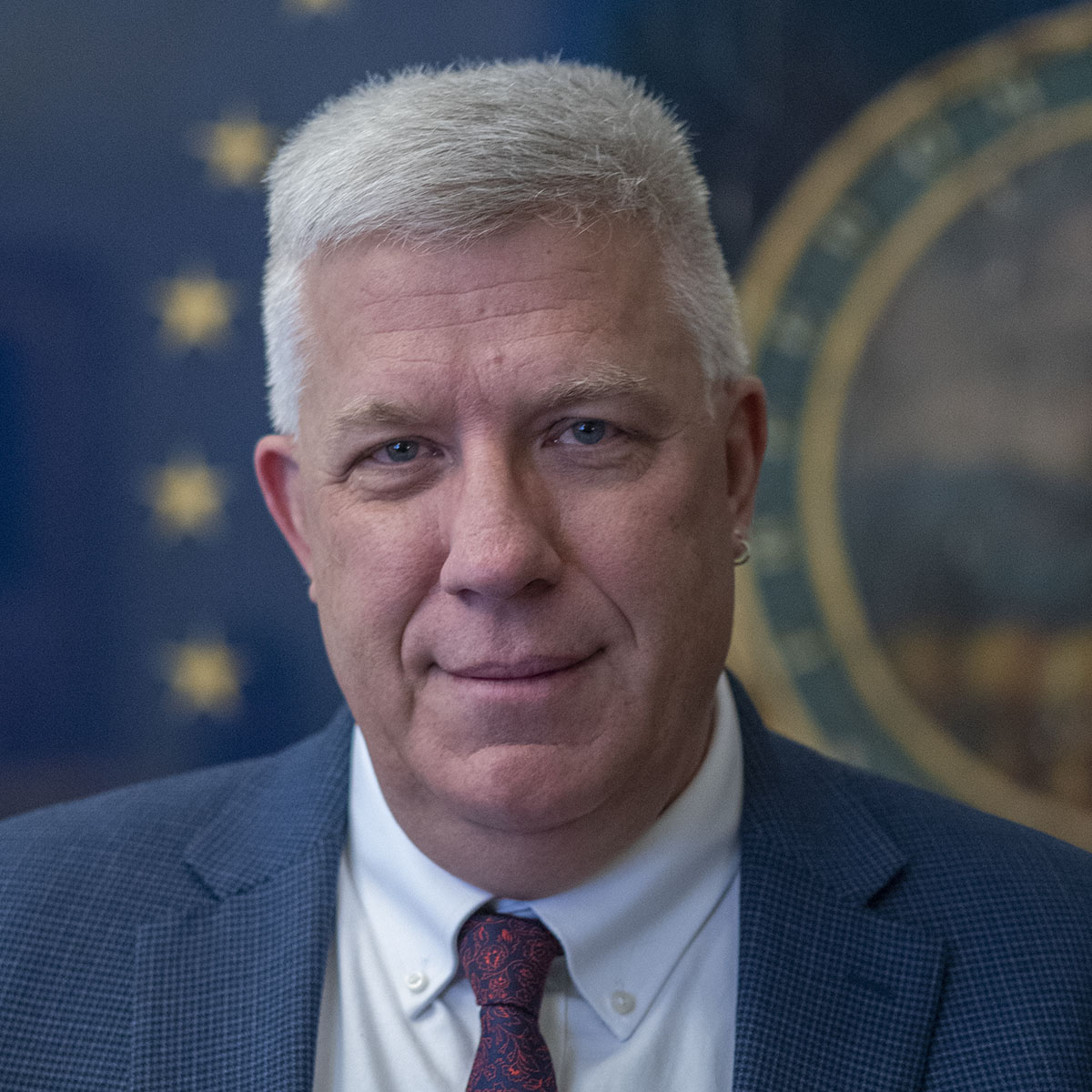
Rep. Tom Stevens
Sponsored bills
Maddy summaryThis bill requires employers in Vermont to provide employees with reasonable opportunities to eat and use toilet facilities during work periods. For shifts lasting six hours or more, employers must offer at least 30 minutes of paid or unpaid breaks for eating, resting, and using facilities, unless safety concerns require adjustments. The law applies to workplaces with three or more employees and allows employers to offer more generous break policies while prohibiting retaliation against workers who use their break rights. The bill takes effect on July 1, 2023, and gives state attorneys general authority to enforce compliance through civil penalties and investigations.
Maddy summaryThis bill is a ceremonial resolution that honors organizations and individuals working to improve rural broadband access in Vermont. It recognizes the Communications Union Districts (CUDs) and related groups like the Vermont Communications Union Districts Association and the Vermont Community Broadband Board for their efforts in building broadband networks. The resolution acknowledges past legislative actions that created funding and oversight structures to support these broadband initiatives. It does not change any laws or policies but serves to formally recognize the achievements of these groups in expanding internet access to over 200 municipalities.
Maddy summaryThis bill proposes to eliminate Vermont's state lottery program by repealing the relevant state laws that authorize it. It would directly affect the state lottery commission, lottery vendors, and any individuals who currently participate in or operate lottery games. The key provision removes the legal framework for both the state lottery and Vermont's participation in the Tri-State Lotto Compact. If passed, this would end all state-run lottery operations and close the legal basis for lottery ticket sales in Vermont.
Maddy summaryThis bill designates January 23-27, 2023, as the first annual Holocaust Education Week in Vermont. It directly affects Vermont schools and educational institutions by establishing a formal period for Holocaust education activities. The resolution directs the Secretary of State to send copies of the document to the Vermont Holocaust Memorial and the Agency of Education to facilitate the event. This commemorative measure recognizes the historical significance of the Holocaust and aims to increase awareness through organized educational programming during the designated week.
Maddy summaryThis bill expands Vermont's existing family leave protections to allow eligible employees to take unpaid leave for their own serious injury or illness, as well as for the serious injury or illness of certain family members. The law defines serious illness or injury as conditions that pose imminent danger of death, require hospitalization, or need ongoing physician-directed home care, and applies to employers with at least 15 employees. Employees may take up to 12 weeks of unpaid leave per year, with the option to use accrued paid leave for up to six weeks, and must provide reasonable notice along with physician certification when required. The changes take effect on July 1, 2023.
Maddy summaryThis bill proposes to update and clarify how property owned by or held in trust for Congregational churches that have been dissolved or are extinct should be managed. It directly affects these churches and the individuals or entities responsible for their assets. The legislation aims to provide clear guidelines for ownership responsibilities without specifying exact outcomes. The bill is currently under review by the Committee on Judiciary.
Maddy summaryThis bill creates the Affordable Heat Act, which establishes a Clean Heat Standard to reduce greenhouse gas emissions from heating in Vermont's residential, commercial, and industrial sectors. The program requires energy companies and heating fuel sellers to earn tradeable clean heat credits by delivering low-carbon heating technologies, efficiency improvements, or weatherization services to customers. The Public Utility Commission will manage the credit system and ensure the program protects low-income households and minimizes costs for all energy users.
Maddy summaryThis bill authorizes the Vermont Department of Buildings and General Services to sell or dispose of the land that formerly housed Stanley Hall and Wasson Hall at the Waterbury State Office Complex. The legislation gives the Town of Waterbury a right of first refusal, meaning the town must be offered the opportunity to purchase the land before it can be sold to anyone else. If the town declines or does not respond in a timely manner, the state may then sell the property to another buyer. The bill also allows the state to subdivide the land before disposal. These changes take effect on July 1, 2023.