

Maddy summaryThis bill creates the Climate Superfund Cost Recovery Program, which would require fossil fuel companies that operated in Vermont between 2000 and 2019 to pay for their share of climate change costs. The program targets entities involved in extracting coal, oil, or natural gas, charging them based on how much greenhouse gas their products contributed to global emissions. Money collected from these payments would go into a dedicated fund to finance climate resilience projects like flood protections, upgraded infrastructure, and health programs addressing climate-related health risks. The law defines specific types of infrastructure projects eligible for funding and establishes rules for determining which companies must pay and how much they owe.
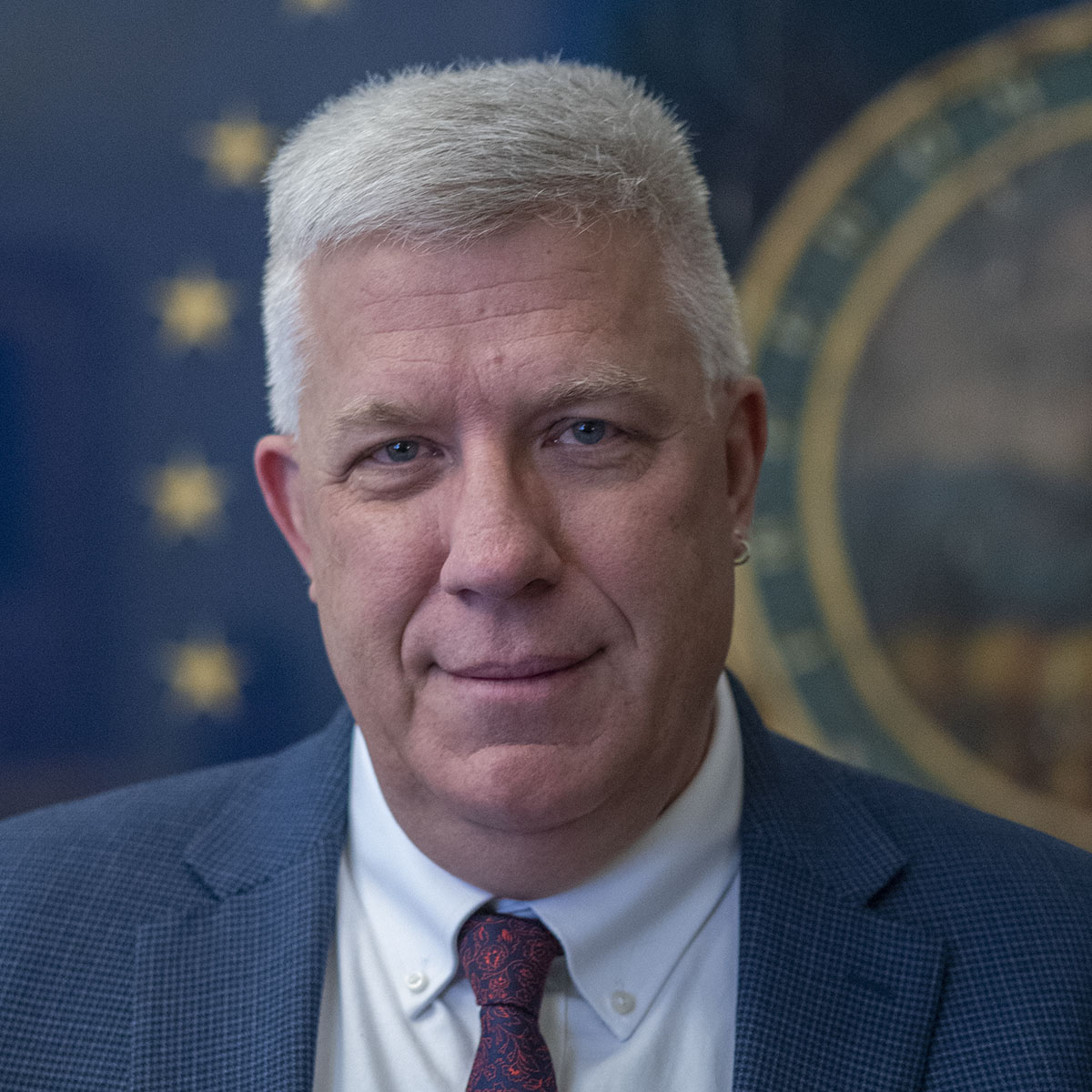
Rep. Tom Stevens
Sponsored bills
Maddy summaryThis bill designates April 10 as Ken Squier Day to honor the late Vermont broadcaster and auto racing commentator. The legislation recognizes Squier's contributions to radio through his ownership of WDEV and founding of the Radio Vermont Group, as well as his pioneering work with the Motor Racing Network and NASCAR Hall of Fame induction. It also acknowledges his community leadership roles, including chairing the Vermont Symphony Orchestra Board and his extensive involvement in local sports broadcasting. The bill adds a new section to Vermont's statutes formally establishing the commemorative day without requiring any additional government funding or administrative changes.
Maddy summaryThis House concurrent resolution honors Vermont National Guard Deputy Adjutant General Kenneth Gragg for his distinguished career in public service. The document recognizes his 46 years of military and civilian service, including his leadership in financial management, construction projects, and pandemic response efforts. It directs the Secretary of State to send a copy of the resolution to Gragg as a formal acknowledgment of his contributions. This is a ceremonial measure with no new laws or policy changes, serving only to publicly recognize his achievements.
Maddy summaryThis bill proposes adding a 2% surcharge to property transfer taxes on transactions exceeding $600,000 in Vermont. The additional revenue would be distributed across multiple state funds, with 75% going to the Vermont Housing and Conservation Trust Fund, 20% split between the Municipal Technical Assistance Program and Department of Taxes, and smaller portions allocated to the Clean Water Fund, tax administration, and the General Fund. The legislation directly affects real estate transactions and state budget allocations by modifying how property transfer tax revenue is collected and distributed.
Maddy summaryThis bill would remove special legal rules that currently govern how Vermont's Congregational churches transfer their property. By repealing specific state statutes, the bill allows these churches to handle property transfers in the same way as other religious organizations. The changes would take effect on July 1, 2024, and do not alter existing property rights or interests held by religious corporations.
Maddy summaryThis bill creates a new Housing Board of Appeals in Vermont to review zoning decisions related to housing projects. The Board would consist of three full-time members, including at least one attorney and one engineer or land surveyor, who are appointed by the Supreme Court for five-year terms. It gives the Board authority to hear appeals from municipal zoning decisions on housing, including variances, permits, and mixed-use developments, and allows it to affirm, reverse, or modify those decisions. The bill also establishes specific procedures for filing appeals, holding hearings within 90 days, and making decisions within 60 days after a hearing, while requiring a $250 filing fee for most cases.
Maddy summaryThis bill establishes a temporary moratorium on no-cause evictions in Vermont, protecting tenants from being removed from their homes without a specific reason until July 1, 2025. It directly affects landlords and tenants by prohibiting landlords from terminating tenancies under specific no-cause provisions during the temporary period. The law allows landlords to evict tenants only for valid reasons such as nonpayment of rent, lease violations, criminal activity, or if the landlord intends to occupy the property themselves. The measure takes effect immediately upon passage and applies statewide during the designated temporary period.
Maddy summaryThis bill defines "application fees" for residential rental applications, clarifying that landlords cannot charge prospective tenants for fees related to background checks, credit reports, income verification, criminal history, eviction records, or employment inquiries. It directly affects landlords and property managers in Vermont by specifying what constitutes a prohibited fee under existing laws that ban charging application fees. The definition includes management fees and any charges for reviewing a tenant's financial or legal history as part of the rental application process. The law takes effect on July 1, 2024, providing a clear framework for what fees are prohibited when screening rental applicants.
Maddy summaryThis bill approves the dissolution of Duxbury-Moretown Fire District No. 1 and establishes new rules for deputy State's Attorneys in Vermont. The key provision creates a system where State's Attorneys can appoint deputies who may prosecute cases in any county, with authority to set appointment terms and remove deputies at any time. Deputy State's Attorneys will receive compensation not exceeding the pay of their appointing authority and must take required oaths before assuming duties. The bill also clarifies that deputies exercise all powers of State's Attorneys except the authority to designate successors during disqualification.
Maddy summaryThis bill formally recognizes May 2023 as Jewish American Heritage Month in Vermont. It directs the Secretary of State to send a copy of the resolution to Jewish communities in the state. The measure acknowledges the historical contributions of Jewish Americans to Vermont and the nation, noting their early settlement and ongoing cultural significance. It does not change laws or policies but serves as a symbolic recognition of Jewish heritage and history.