

Maddy summaryH.780 establishes mandatory minimum prison sentences for repeat retail theft and specific drug trafficking offenses. For retail theft, it requires at least six months of consecutive prison time for fourth or subsequent offenses (over $250 value) and 12 months for fourth or subsequent offenses (over $900 value), with no suspension allowed. For drug trafficking (cannabis, cocaine, heroin, fentanyl, or methamphetamine), it mandates at least 12 months of consecutive prison time for trafficking offenses, increasing to 24 months if the trafficking causes death or serious injury. The bill directly affects individuals convicted of these specific repeat or serious offenses, removing judicial discretion to reduce the minimum prison time for these cases.
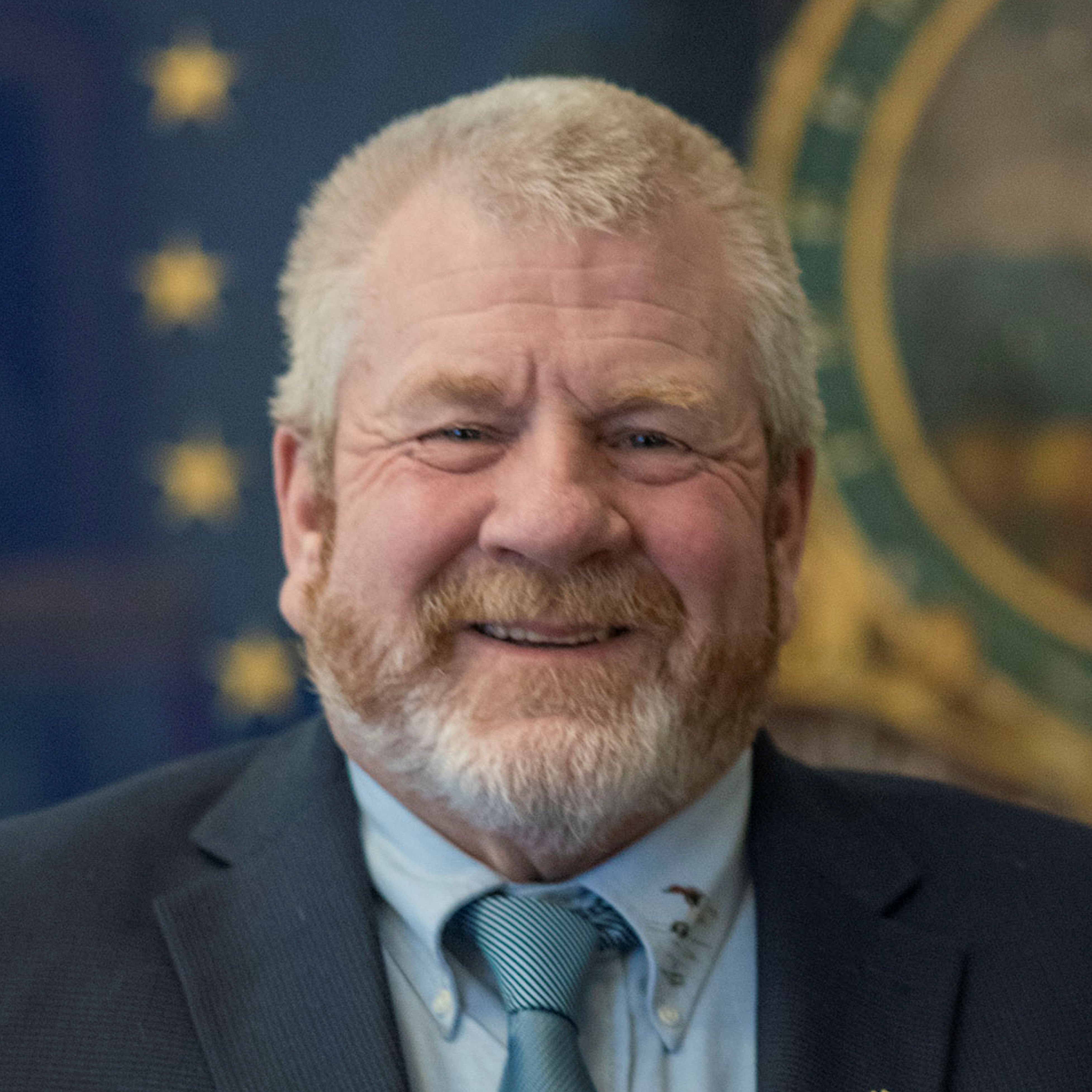
Rep. Richard Nelson
Sponsored bills
Maddy summaryThis bill changes Vermont's juvenile justice process by requiring certain serious offenses committed by juveniles (aged 14-22) to be filed in the Criminal Division of the Superior Court instead of the Family Division. It specifically applies to: (1) violating release conditions for prior serious offenses; (2) using firearms during felonies; (3) drug trafficking; and (4) aggravated stalking. The State’s Attorney may still choose to file such cases as "youthful offender" petitions in the Family Division. This shift aims to handle these specific offenses through criminal court procedures rather than juvenile court, while allowing limited transfer options between divisions under defined conditions.
Maddy summaryThis House Concurrent Resolution (HCR 165) commemorates Micheline Lemay of Stowe for her leadership in outdoor recreation and mindfulness. It specifically recognizes her work as a co-owner of Rugged Adventures Summer Camp, her personal journey overcoming serious health challenges including cancer, and her "Mansfield Million" ski challenge to ascend Mount Mansfield. The resolution directs the Secretary of State to send a copy to Micheline Lemay, with no policy changes or direct effects on legislation or constituents.
Maddy summaryHCR 172 is a commemorative resolution honoring Jon Gailmor, a Vermont folk singer and former Elmore Town Moderator who died in 2025. The resolution expresses the Vermont General Assembly’s condolences to his family and Elmore residents, recognizing his contributions as a musician who celebrated Vermont through songs like "A Town Meeting Tune" and his 15+ years serving as Elmore's town moderator. It directs the Secretary of State to send copies of the resolution to Gailmor’s family and the Elmore Town Clerk. This is a ceremonial measure with no policy impact.
Maddy summaryH.751 requires telecommunications companies to obtain permits from District Commissions for new facilities, including 5G small cell antennas. It repeals the previous certificate system and mandates specific safety rules: facilities must be at least 2,000 feet from residences, schools, hospitals, and parks; limit radiation to -75 dBm or 0.1 watts ERP; and require annual compliance certifications by licensed engineers. The bill directly affects telecom providers building infrastructure and aims to standardize siting rules for public safety and transparency. Key provisions include visible RF radiation labels on poles and annual monitoring reports for all radiating antennas.
Maddy summaryThis bill sets new conservation targets for Vermont: requiring 30% of the state's land to be conserved by 2030 and 50% by 2050, including public, private, and federal lands. It replaces previous conservation goals with these specific targets and mandates biennial updates to a public land conservation inventory. Key mechanisms include requiring resource mapping of forest blocks and habitat connectors to guide development decisions, and updating rules to minimize forest fragmentation while supporting agricultural and historic land uses. The bill directly affects landowners, developers, and conservation groups by changing how land use permits are reviewed and how conservation progress is tracked. These changes aim to align development with ecological goals under Vermont's Act 250 land use framework.
Maddy summaryThis bill requires Vermont inpatient health care facilities to allow patients to continue taking all medically necessary medications prescribed for rare diseases - even if the facility doesn’t normally stock those drugs. It directly affects hospitals and patients receiving treatment for rare conditions who enter facilities while on specific medication regimens. The key provision mandates that facilities must accommodate these medications to prevent treatment disruptions during hospital stays. This ensures continuity of care without requiring facilities to maintain stock of every rare disease medication. The bill aims to address documented shortages of rare disease drugs in hospitals.
Maddy summaryH.730 updates Vermont's Act 250 land use law by clarifying "Tier 3" rules, which designate high-priority conservation areas (like river corridors and sensitive habitats). It requires the Land Use Review Board to define Tier 3 boundaries, explain why certain resources aren’t protected, and provide written notice to property owners in Tier 2/3 areas about upcoming rule changes. The bill also creates a de minimis construction exception (e.g., sheds under 200 sq. ft.) and temporarily exempts priority housing projects in designated downtown areas from Tier 3 rules until July 2027. These changes directly affect property owners in conservation zones, local municipalities, and developers navigating land use permits.
Maddy summaryThis bill increases the annual tax on solar power generation capacity in Vermont from $4 to $16 per kilowatt and redirects half of the new revenue to a newly created Farm Security Special Fund. The fund will provide grants covering up to 50% of uninsured financial losses for farms affected by defined weather events like floods, droughts, or extreme heat. It directly affects solar energy businesses (above 50kW capacity) and Vermont farms experiencing weather-related income loss. The fund will be administered by the Secretary of Agriculture, with grants awarded after consultation with a Farm Security Review Board.
Maddy summaryThis bill (H.698) revises Vermont's 2025 education funding and policy framework. It removes provisions requiring schools to maintain minimum class sizes, eliminates a rule allowing receiving districts to charge sending districts extra fees for high school students, and reverts unused funds from a school district voting group back to the state General Fund. The bill also updates the state's education funding formula to add a "secondary student weight" for high school students and removes recent changes to property tax classifications affecting schools. These changes directly impact school districts, state education funding calculations, and the administration of public school tuition payments.