

Maddy summaryH 65 revokes Vermont's adoption of California's Clean Air Act waiver for vehicle emissions, prohibiting the state from using California's standards for new motor vehicles. The bill amends Vermont law to explicitly ban the adoption of California's emission rules (42 U.S.C. § 7507) and repeals existing Vermont Low Emission Vehicle (LEV) and Zero Emission Vehicle (ZEV) rules. This directly affects how Vermont regulates vehicle emissions, shifting away from California's standards to potentially adopt alternative state rules. The changes take effect on July 1, 2025, requiring the Secretary of Natural Resources to develop new emission control requirements without California's framework.
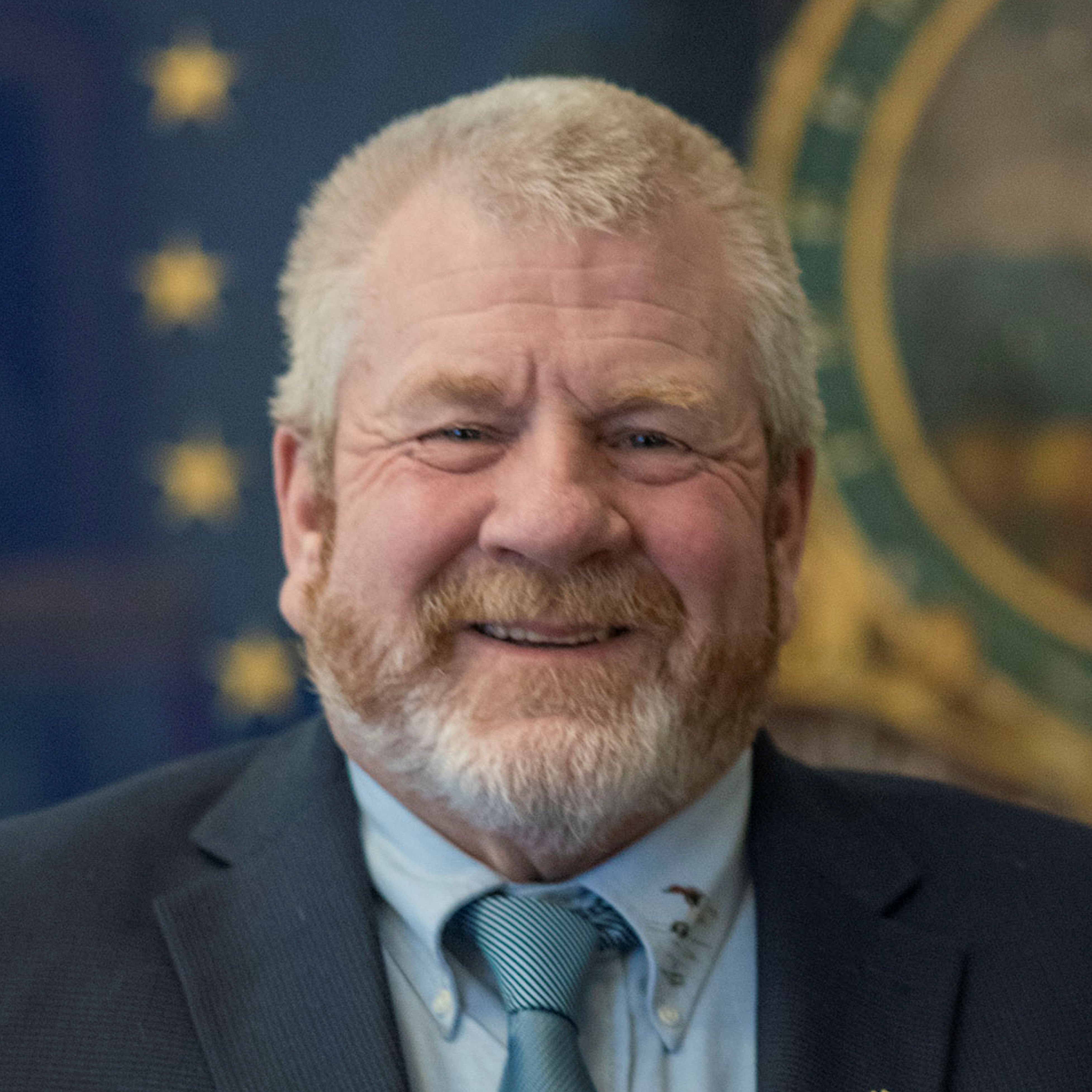
Rep. Richard Nelson
Sponsored bills
Maddy summaryThis bill exempts U.S. military retirement income and survivor benefit payments from Vermont income tax for eligible residents. It adds these income types to Vermont’s list of excluded income in the tax code (specifically amending 32 V.S.A. § 5811), meaning military retirees and surviving spouses won’t pay state tax on these payments. The change applies retroactively to tax years beginning January 1, 2026. It directly affects Vermont taxpayers who receive military retirement or survivor benefits, providing them tax relief on this specific income source.
Maddy summaryThis bill (H.39) would repeal Vermont's legal protections for overdose prevention centers (OPCs), removing immunity from drug possession charges and civil liability for users, staff, and operators. Currently, OPCs - safe spaces offering harm reduction services like naloxone and sterile supplies - are shielded from prosecution under state law. The repeal would mean participants and providers could face drug possession charges for activities within these centers, and centers could lose legal protection against civil claims. The bill targets the specific immunity provisions (Section 4256(c)), not the centers themselves, and would take effect July 1, 2025.
Maddy summaryThis bill (H 16) repeals Vermont’s Affordable Heat Act, which established the Clean Heat Standard program. It removes requirements for heating fuel providers to meet emissions standards and eliminates two state positions created to administer the program (one at the Public Utility Commission, one at the Department of Public Service). The bill also deletes references to the Clean Heat Standard from tax law, ending the requirement for fuel providers to report to state agencies about compliance. This directly affects heating fuel businesses and state agencies responsible for the Clean Heat Standard program. The repeal takes effect upon passage.