

Maddy summaryThis bill is a ceremonial resolution that honors organizations and individuals working to improve rural broadband access in Vermont. It recognizes the Communications Union Districts (CUDs) and related groups like the Vermont Communications Union Districts Association and the Vermont Community Broadband Board for their efforts in building broadband networks. The resolution acknowledges past legislative actions that created funding and oversight structures to support these broadband initiatives. It does not change any laws or policies but serves to formally recognize the achievements of these groups in expanding internet access to over 200 municipalities.
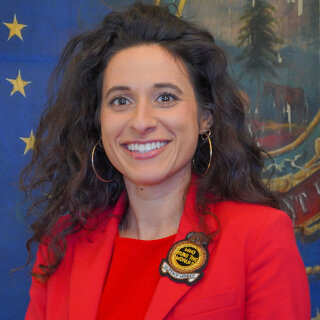
Rep. Mary-Katherine Stone
Sponsored bills
Maddy summaryThis bill designates January 23-27, 2023, as the first annual Holocaust Education Week in Vermont. It directly affects Vermont schools and educational institutions by establishing a formal period for Holocaust education activities. The resolution directs the Secretary of State to send copies of the document to the Vermont Holocaust Memorial and the Agency of Education to facilitate the event. This commemorative measure recognizes the historical significance of the Holocaust and aims to increase awareness through organized educational programming during the designated week.
Maddy summaryThis bill directs Vermont's Department of Mental Health to work with the Department of Health on studying suicide rates in the state. The study will focus on ways to reduce access to lethal means, identify gaps in prevention services, and gather data on suicide methods used in Vermont. The legislation requires these departments to examine current suicide incidence and develop strategies to decrease suicide rates through evidence-based analysis. This measure affects state health agencies and aims to improve suicide prevention efforts through systematic data collection and service gap identification.
Maddy summaryThis bill directs Vermont's Agency of Transportation to develop a funding plan for reducing greenhouse gas emissions and expanding access to efficient, low-cost transportation options. It establishes a working group to study regional climate initiatives and implements a self-funded fee system that charges higher fees for less efficient vehicles while rebating funds to owners of more efficient cars. The legislation also allocates money for electric vehicle incentives, e-bike programs, public transit improvements, and infrastructure updates, while requiring the agency to work with Amtrak and provide training on complete streets design to municipalities.
Maddy summaryThis bill aims to protect the academic freedom of public educators in Vermont by affirming their right to teach about gender identity and systemic and structural racism. It directly affects teachers and school staff in the state's public education system. The legislation would establish legal protections ensuring educators can address these topics without facing retaliation or censorship. The bill is currently in its early stages and has been referred to the Committee on Education for review.
Maddy summaryThis bill introduces several measures aimed at improving firearm safety and accountability in Vermont. It requires firearms not in immediate possession to be securely stored separately from ammunition, mandates dealers to post storage guidelines and provide written safety information, and establishes criminal and civil liability for unsafe storage that leads to injury or death. The legislation also adds a 10-day waiting period for all firearm sales, allows family members to petition for emergency risk protection orders, prohibits firearm possession at licensed alcohol-serving venues, and bars individuals convicted of hate-motivated crimes from owning firearms. Additionally, the bill includes funding to help residents purchase secure storage equipment.
Maddy summaryThis bill creates the Affordable Heat Act, which establishes a Clean Heat Standard to reduce greenhouse gas emissions from heating in Vermont's residential, commercial, and industrial sectors. The program requires energy companies and heating fuel sellers to earn tradeable clean heat credits by delivering low-carbon heating technologies, efficiency improvements, or weatherization services to customers. The Public Utility Commission will manage the credit system and ensure the program protects low-income households and minimizes costs for all energy users.